
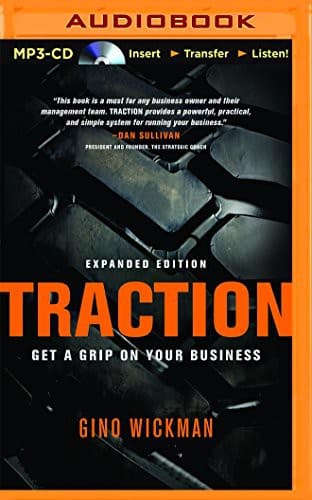
Traction
Gino Wickman
Like the source book, it turns planning into a repeatable routine, with simple tools for setting priorities, tracking progress, and keeping the whole organization working on the same plan.
Reader-supported: when you buy through links on our site, we may earn an affiliate commission. Learn more
12 books to read next
If you loved Strategic Planning For Dummies by Erica Olsen
Readers who pick up Strategic Planning For Dummies usually want a clear, step-by-step way to plan a business's future without expensive consultants. They value its plain language, its practical checklists, and its focus on how to set measurable goals, understand the industry, and build planning into everyday operations. The tone is friendly and approachable, and the book moves in logical stages from foundations to priorities and contingencies.
Gino Wickman
Like the source book, it turns planning into a repeatable routine, with simple tools for setting priorities, tracking progress, and keeping the whole organization working on the same plan.
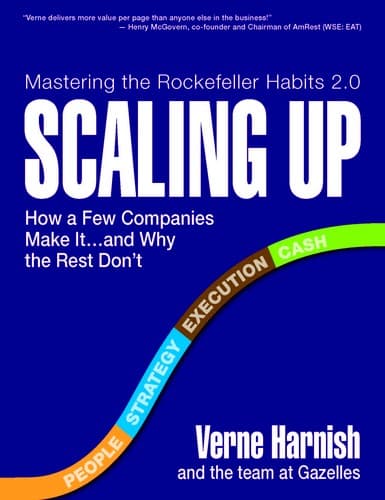
Verne Harnish
It offers the same kind of practical, checklist-driven guidance for growth, covering strategy, execution, and cash, which suits readers who want planning for expansion.
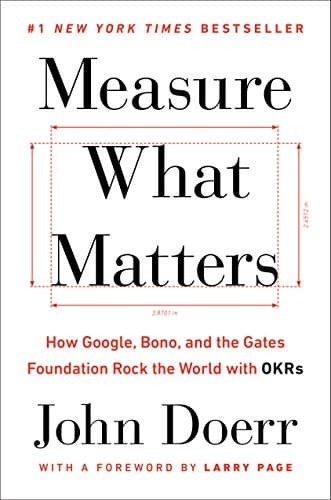
John Doerr
It shows how to set measurable, ambitious goals and link them to priorities, giving readers who valued the goal-setting chapters a focused, hands-on method to apply.
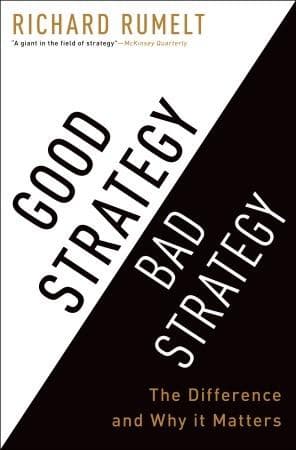
Richard P. Rumelt
It explains what separates a real strategy from a vague wish list, helping readers who liked the source book's focus on setting strategic priorities think more rigorously about choices.
A. G. Lafley
Written by practitioners, it lays out a clear framework for choosing where to play and how to win, matching the source book's emphasis on competitive advantage in a practical way.
Michael E. Porter
This classic gives the analytical tools for studying industries and rivals, a deeper companion for readers who want the industry landscape analysis from the source book explored in more detail.
Simon Sinek
It focuses on defining purpose before strategy, a natural next read for readers who valued the source book's guidance on mission, values, and a defining vision for the organization.
Jim Collins
It examines what lets companies sustain long-term success, supporting the source book's advice on taking a long view of the organization and evaluating past performance.
Ray Dalio
Dalio sets out the values and decision principles he built his firm around, offering a practical example of how a clear set of values can guide an organization over many years.
Eric Ries
It offers a method for testing assumptions and adapting plans quickly, which suits readers who want to plan for unknown contingencies in a business with an uncertain future.
W. Chan Kim
It argues for creating uncontested market space rather than fighting rivals head-on, a fresh angle for readers who were thinking about competitive advantage and industry trends.
Clayton M. Christensen
It explains how established businesses can be disrupted by new entrants, helping readers who want to analyze business trends that could shape their organization's future.
We earn a commission if you buy through these links. Learn more