
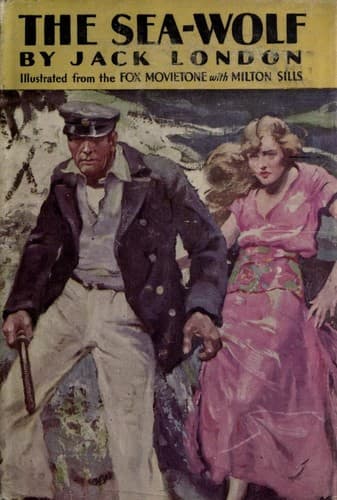
The Sea-Wolf
Jack London
Like Kesey's coastal Oregon, London's novel is set against harsh seas and sets a hard, self-reliant character against a domineering force. Its raw physical energy will feel familiar to Stamper readers.
Reader-supported: when you buy through links on our site, we may earn an affiliate commission. Learn more
12 books to read next
If you loved Sometimes a Great Notion by Ken Kesey
Sometimes a Great Notion is a sprawling, multi-voiced novel about a stubborn logging family in a small Oregon coastal town during a bitter strike. Readers usually love its shifting perspectives, its raw humour and its sense of working-class pride, along with a mythic, tragic weight behind the family's rivalries and loyalties. The pace is restless and the prose inventive, sometimes lurching between comedy and grief. It rewards patience and suits readers who enjoy ambitious American fiction with a strong regional voice.
Jack London
Like Kesey's coastal Oregon, London's novel is set against harsh seas and sets a hard, self-reliant character against a domineering force. Its raw physical energy will feel familiar to Stamper readers.
David Guterson
Guterson evokes a close Pacific Northwest community shaped by hard work and old grievances. Readers who loved the rural texture and tangled loyalties of Kesey's town will find a similar sense of place.
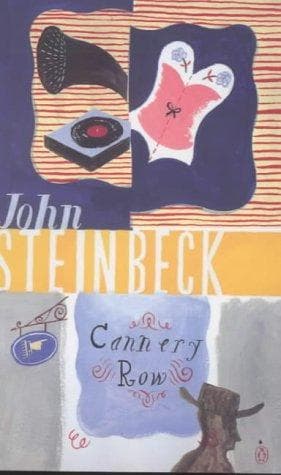
John Steinbeck
Steinbeck's warm, episodic portrait of a waterfront community of drifters and workers shares Kesey's comic affection for rough, unruly people on the Pacific coast.
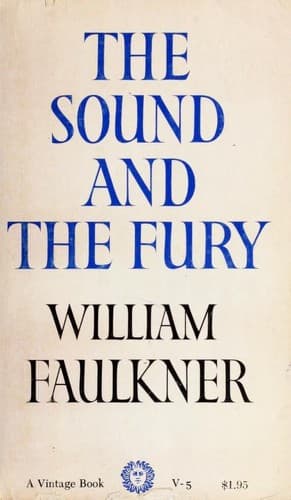
William Faulkner
Faulkner's fractured, multi-voiced account of a troubled family echoes the shifting perspectives and inherited resentments that drive the Stampers. Readers of Kesey's novel often find it a natural next step.
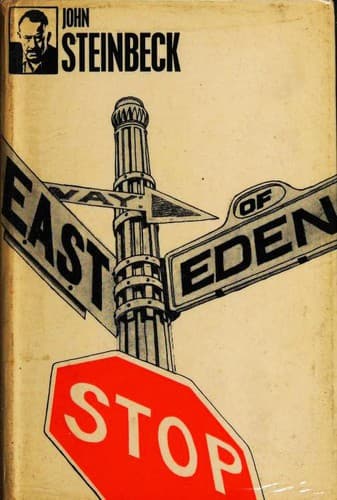
John Steinbeck
East of Eden follows a family whose rivalries and buried betrayals carry the weight of myth, much as Kesey's novel does. Its sweeping scope and moral seriousness suit readers who loved the Stampers' tangle.
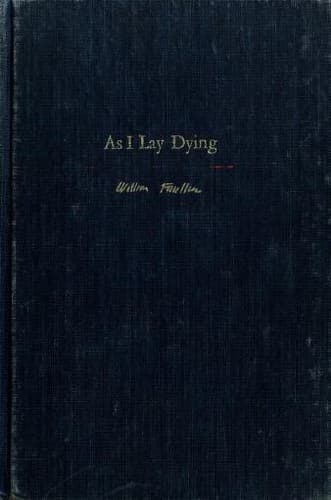
William Faulkner
Faulkner's shifting monologues trace a stubborn family's grim, darkly comic journey, using multiple voices as Kesey does. Its sharp black humour and unyielding characters appeal to the same readers.
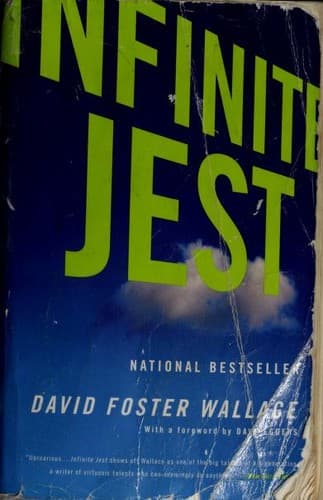
David Foster Wallace
Wallace's enormous, digressive novel mixes comedy and grief with a restless structure and many voices. Readers who enjoyed the energy and ambition of Kesey's second novel will recognise its appetite for risk.
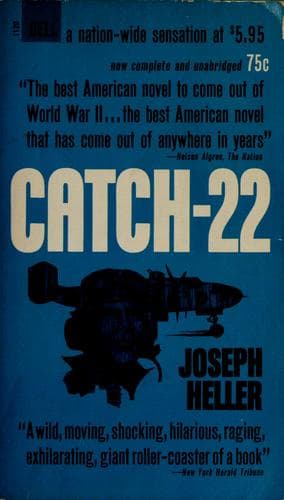
Joseph Heller
Heller's anarchic, looping narrative turns absurd institutions into tragedy and comedy at once. Its defiant anti-authority spirit matches the Stampers' refusal to bend to the strike.
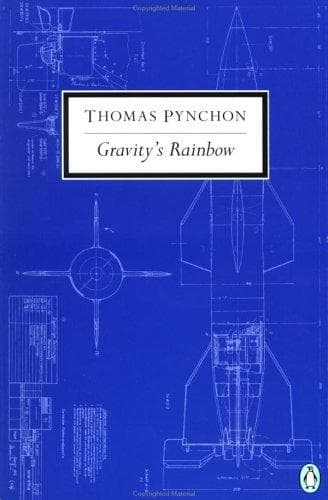
Thomas Pynchon
Pynchon's sprawling, digressive prose and mix of farce and dread stretch the novel form much as Kesey does. Readers drawn to his wild, ambitious voice will find plenty to chase here.
John Steinbeck
Steinbeck's epic about a family facing economic ruin and collective struggle speaks to the same labour tensions as Kesey's strike. Its mix of anger and compassion will resonate with his readers.
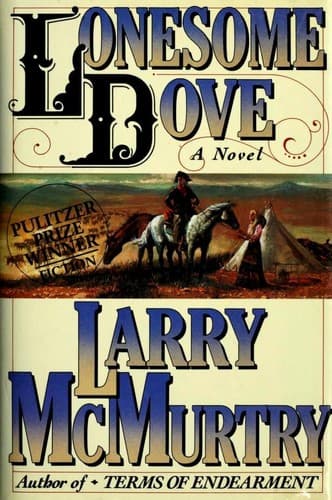
Larry McMurtry
McMurtry's big, funny, melancholy saga of tough, flawed men on a hard journey captures the rough humour and stubborn code that run through Kesey's novel. Its scale rewards readers who like long, character-rich books.
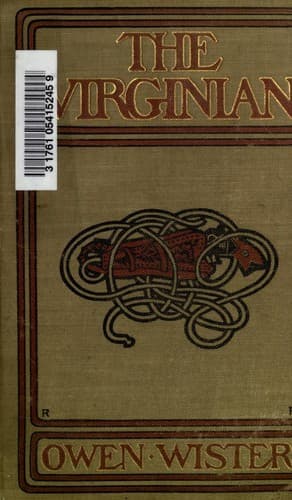
Owen Wister
Wister's early Western portrays a laconic, self-reliant man bucking the codes of a rough community. Its stark frontier pride echoes the Stampers' defiance of a town that would rather they conform.
We earn a commission if you buy through these links. Learn more