
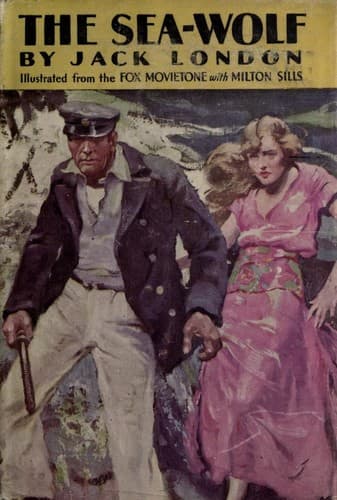
The Sea-Wolf
Jack London
Like Kesey's coastal Oregon, London's novel is set against harsh seas and sets a hard, self-reliant character against a domineering force. Its raw physical energy will feel familiar to Stamper readers.
Reader-supported: when you buy through links on our site, we may earn an affiliate commission. Learn more
We earn a commission if you buy through these links. Learn more
Find Similar Booksby Ken Kesey
Guide by the Books of the Day editors · Updated · How we write our guides
A sprawling, formally daring novel about a stubborn logging family defying a town strike, worth reading for its fractured voices and its raw portrait of loyalty and pride.
2 creators reviewed Sometimes a Great Notion on YouTube between 2016 and 2023, with 14.6K views between them. Their opinions are their own; we picked these reviews, we didn't write them.
Sometimes a Great Notion is a big, unruly novel set in and around Wakonda, a fictional town on the Oregon coast where a logging strike has divided the community. The Stampers, a family of independent loggers, refuse to join the strike and keep cutting timber, which makes them targets for the town and for their own relatives. Kesey builds the story around a clan whose pride and stubbornness are both admirable and destructive.
The formal approach is what most readers remember. Kesey shifts among multiple narrators, sometimes within a single paragraph, and he plays with typography, dialogue, and time so that past and present blur. The dialect is thick, and the early pages ask you to work out who is speaking and when. The payoff comes as the pieces lock together, and the book's sprawl starts to feel deliberate rather than indulgent.
Reading it is an immersive, sometimes exhausting experience. It feels less like following a plot than like being swept along a river the Stampers are trying to control. The emotional core is family loyalty and the tension between what a person owes to kin and what they owe to themselves.
The Stampers' refusal to bend is presented as a source of dignity and self-respect, and also as the thing that isolates them. Kesey lets you admire their independence while watching it cost them dearly. The book doesn't settle whether their defiance is principle or simply pride, and that ambiguity drives much of the tension.
The novel sets the Stampers' private code of kinship against the town's collective pressure to stand together. Each side has a claim on the characters, and the story keeps asking what happens when those claims conflict. It is less a labor novel than a study of where obligation to blood ends and obligation to others begins.
Kesey's shifting viewpoints and jumbled chronology reflect the broken, overlapping relationships at the center of the book. Understanding the story requires the same effort the characters need to understand one another. The structure is not decoration; it is how the novel makes its argument about intimacy and estrangement.
The river, the timber, and the weather act almost as characters, pressing on the people who try to master them. Kesey renders physical work with a vividness that makes the stakes feel bodily. The sense that nature can overwhelm any plan gives the family's struggle a mythic weight.
The book is long, and its repetitions and shifting voices can feel exhausting rather than exhilarating, especially in the first third. Some readers find the dialect hard going. Women characters are often sketched through the men around them, which many modern readers will notice. The labor-politics backdrop is less developed than the family drama, so readers expecting a strike novel may be disappointed. The 1960s sensibility also shows in its attitudes.
Book details and cover from Google Books.
Ready to read Sometimes a Great Notion?
Get your copy on Amazon, or listen to it on Audible. We earn a commission if you buy through these links.
Jack London
Like Kesey's coastal Oregon, London's novel is set against harsh seas and sets a hard, self-reliant character against a domineering force. Its raw physical energy will feel familiar to Stamper readers.
David Guterson
Guterson evokes a close Pacific Northwest community shaped by hard work and old grievances. Readers who loved the rural texture and tangled loyalties of Kesey's town will find a similar sense of place.
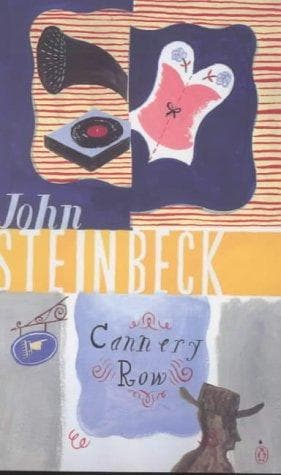
John Steinbeck
Steinbeck's warm, episodic portrait of a waterfront community of drifters and workers shares Kesey's comic affection for rough, unruly people on the Pacific coast.

William Faulkner
Faulkner's fractured, multi-voiced account of a troubled family echoes the shifting perspectives and inherited resentments that drive the Stampers. Readers of Kesey's novel often find it a natural next step.