
Sapiens
Yuval Noah Harari
Like Diamond, Harari traces the whole human story from ancient foragers to the present, asking how large-scale societies formed and why one species came to dominate the planet.
Reader-supported: when you buy through links on our site, we may earn an affiliate commission. Learn more

12 books to read next
If you loved Guns, Germs, and Steel by Jared Diamond
Readers who loved Guns, Germs, and Steel usually come for its sweeping answer to a big question: why did some societies race ahead while others did not? They enjoy the long view across thousands of years, the emphasis on geography, crops, animals and disease, and the willingness to test ideas against evidence from many fields. The tone is patient and explanatory rather than sensational, and the pace moves from continent to continent. The picks below follow those threads: deep human history, why nations diverge, the exchange of goods and ideas, and the role of microbes in shaping the world.
Yuval Noah Harari
Like Diamond, Harari traces the whole human story from ancient foragers to the present, asking how large-scale societies formed and why one species came to dominate the planet.

Francis Fukuyama
Fukuyama continues the Diamond habit of explaining history through long causal chains, here focusing on how states, rule of law and accountable government developed over millennia.
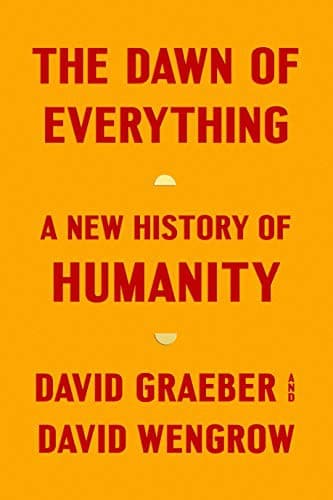
David Graeber, David Wengrow
This book challenges the simple stage-by-stage story of human progress, offering a fresh, evidence-heavy look at early societies that will appeal to readers who enjoyed Diamond's rethinking of the past.
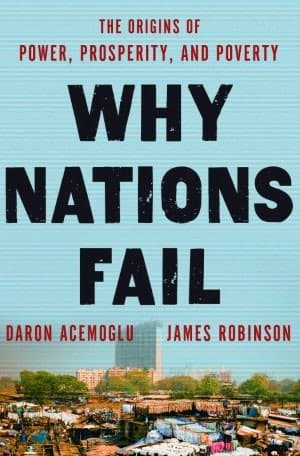
Daron Acemoglu, James A. Robinson
Acemoglu and Robinson take up the same puzzle of why some countries prosper and others stagnate, arguing that political and economic institutions matter more than geography alone.
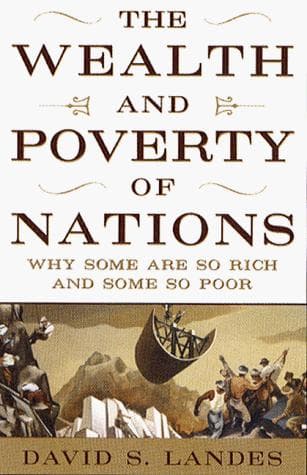
David S. Landes
Landes surveys centuries of economic history across cultures and regions, weighing environment against culture and institutions, much as Diamond does in his explanation of unequal development.
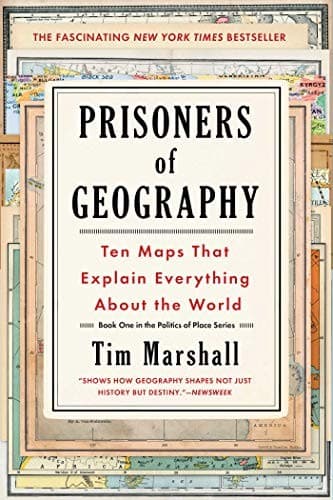
Tim Marshall
Marshall shows how mountains, rivers, coastlines and climate have shaped the choices of nations, a short, accessible companion for anyone persuaded by Diamond's argument that geography sets the stage.
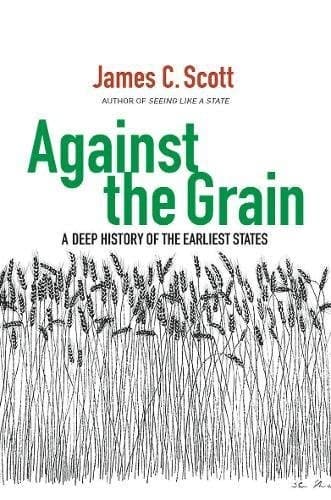
James C. Scott
Scott questions the standard story of agriculture and the first states, examining how farming, domestication and early centralised power reshaped human life, a close match for Diamond's account of the rise of food production.
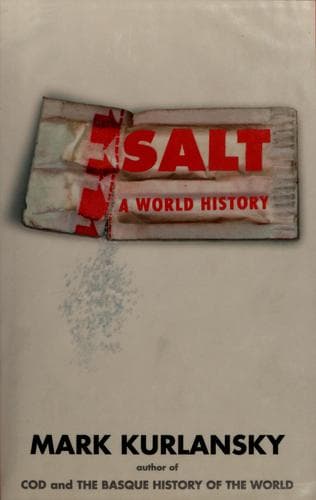
Mark Kurlansky
Kurlansky follows a single everyday commodity through history, showing how trade and resources drove conflict and growth, in the same spirit as Diamond's focus on how material factors shape the course of societies.
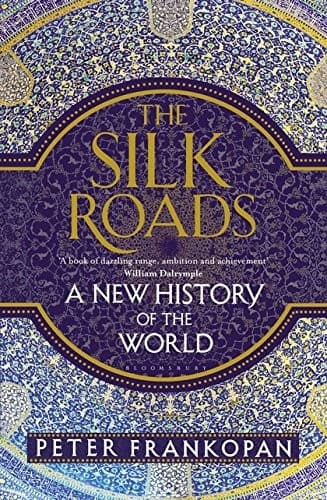
Peter Frankopan
Frankopan reframes world history around the exchange of goods, ideas and diseases across Eurasia, offering a broad, connected narrative that suits readers who enjoyed Diamond's view of the world as one linked system.
William Hardy McNeill
McNeill's classic examines how infectious disease shaped the course of human history, exploring the microbial side of the story that Diamond places at the centre of European conquest.
John M. Barry
Barry gives a gripping account of the 1918 flu pandemic, illustrating how microbes and public health decisions can change the fate of nations, a vivid case study of Diamond's theme.

Richard Preston, Richard Preston
Preston's narrative nonfiction traces the emergence of deadly viruses and the people who confront them, offering a tense, human look at germs that will appeal to readers drawn to Diamond's chapters on disease.
We earn a commission if you buy through these links. Learn more