
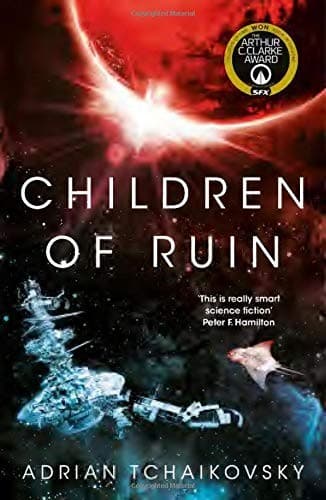
Children of Ruin
Adrian Tchaikovsky
The direct sequel continues the spider-and-human storyline, but it is a different volume in the series, so it is listed only as a reminder that more follows the same world.
Reader-supported: when you buy through links on our site, we may earn an affiliate commission. Learn more
11 books to read next
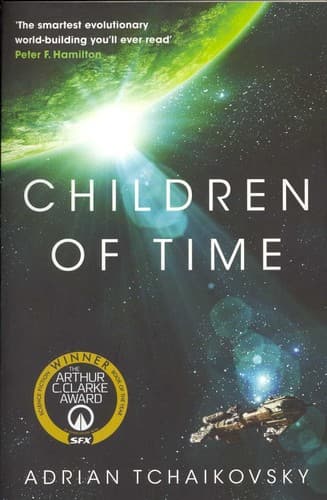
If you loved Children of Time by Adrian Tchaikovsky
Children of Time follows two threads: a terraforming project that seeds a planet with uplifted monkeys, and the survivors of a human crew who arrive there much later. Readers love its sweeping scope, its serious take on evolution, intelligence and first contact, and the way it gives non-human minds real interiority. The pace is steady and absorbing, with science grounded in plausible biology and a tone that is hopeful without being sentimental.
Adrian Tchaikovsky
The direct sequel continues the spider-and-human storyline, but it is a different volume in the series, so it is listed only as a reminder that more follows the same world.
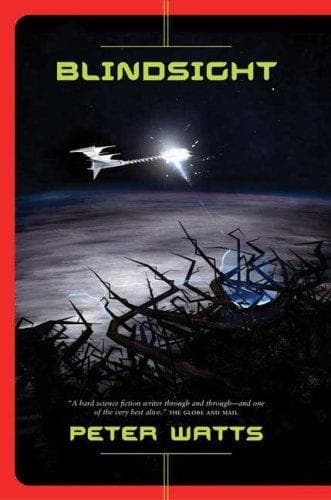
Peter Watts, Peter Watts
Like Children of Time, it asks what intelligence means when it is not human, using a first-contact crew and a biologically rigorous approach to alien minds.
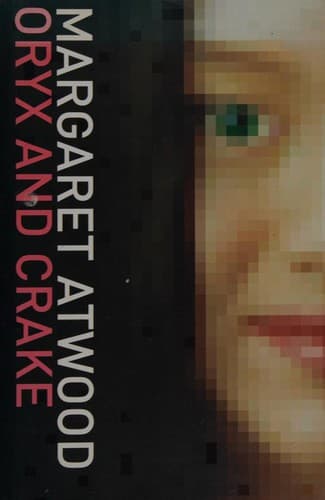
Margaret Atwood
Its interest in engineered life and humanity's ecological mistakes echoes the book's hard-edged look at what people do to the worlds and species they reshape.
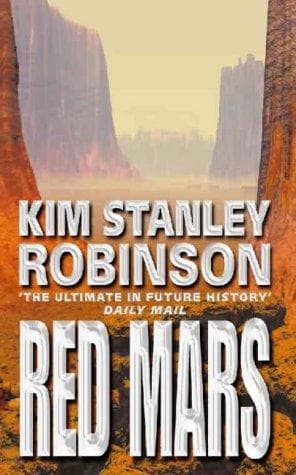
Kim Stanley Robinson
A long, detailed account of humans settling and remaking another planet, with the same patient attention to engineering, politics and the cost of colonisation.
Cixin Liu
Like Children of Time, it spans generations and turns a cosmic-scale premise into a story about how civilisations fail or survive when they meet something unknown.
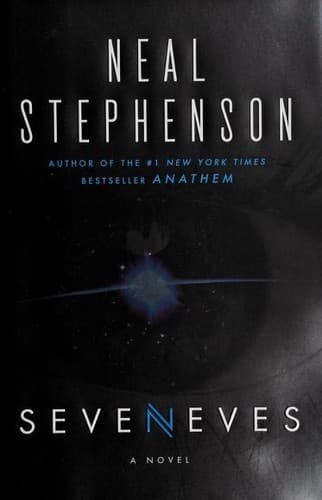
Neal Stephenson
A large-scale survival story that follows humanity across centuries after a catastrophe, with the same interest in how ordinary people adapt to radically new conditions.
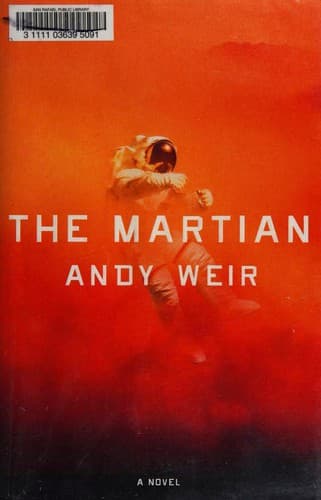
Andy Weir
Shares the book's respect for practical problem-solving and real science, though its tone is much lighter and its focus is a single survivor rather than a whole species.
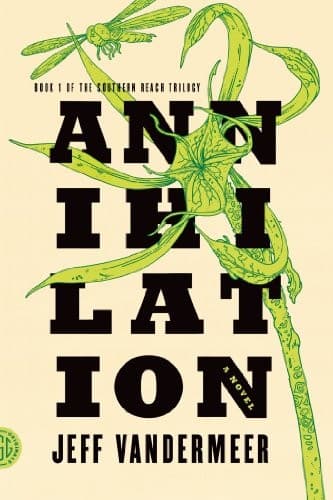
Jeff VanderMeer
Its unsettling, scientifically strange environment and its interest in an alien intelligence working on its own terms will appeal to readers who valued the book's unusual perspectives.
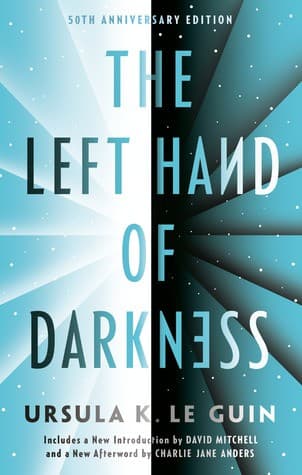
Ursula K. Le Guin
A classic of thoughtful science fiction about understanding a deeply different culture and mind, handled with the same care for how biology and society shape behaviour.
Dan Simmons
A structured, ambitious space epic with a range of narrators and big ideas about evolution and humanity's future, matching the book's appetite for scope.
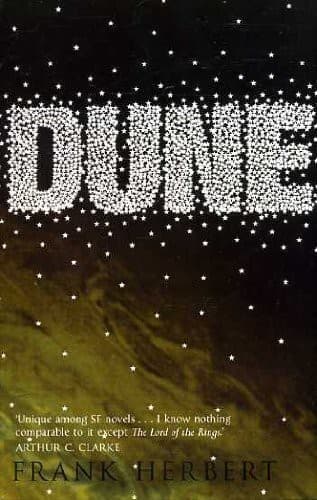
Frank Herbert
A foundational work of long-form science fiction about ecology, adaptation and a civilisation shaped by a hostile world, appealing to readers who enjoyed the book's worldbuilding.
We earn a commission if you buy through these links. Learn more