
Dopesick
Beth Macy
Like Chasing the Scream, it traces how a drug crisis was shaped by corporate decisions and policy failures, following the people most affected through reported, on-the-ground journalism.
Reader-supported: when you buy through links on our site, we may earn an affiliate commission. Learn more
12 books to read next
If you loved Chasing the Scream by Johann Hari
Readers who love Chasing the Scream usually come for its mix of storytelling and argument: a personal search, prompted by addiction in the author's own family, that turns into a global investigation. The book is reported in an accessible, conversational voice, moves briskly between history, interviews and science, and challenges the assumption that addiction is a failure of willpower. If you want narrative nonfiction that questions conventional wisdom and follows real people through hard evidence, these picks should feel familiar.
Beth Macy
Like Chasing the Scream, it traces how a drug crisis was shaped by corporate decisions and policy failures, following the people most affected through reported, on-the-ground journalism.
Sam Quinones
Quinones reconstructs how opioids spread through American towns, combining sharp reporting with human stories, much as Hari does when he documents how drug policy plays out in real communities.
Michelle Alexander
It examines how the war on drugs fed mass incarceration and racial injustice, expanding the policy critique that Chasing the Scream makes about the drug war's origins and damage.
Robert M. Sapolsky
Sapolsky explains the biology of behaviour, including reward and stress, with the same curiosity Hari brings to the science behind addiction, though at a much greater depth.
Daniel Z. Lieberman, Michael E. Long
Lieberman explores how dopamine drives craving and compulsion, offering a readable scientific account that complements Hari's argument about what really lies beneath addiction.
Charles Duhigg
Duhigg's clear, story-led look at how habits form and can be changed suits readers who were drawn to Chasing the Scream's reframing of compulsive behaviour.
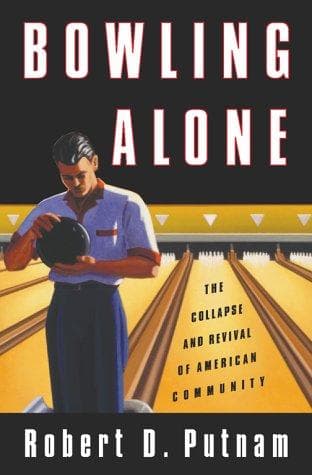
Robert D. Putnam
Putnam documents the decline of community ties in America, supporting the central idea of Chasing the Scream that the opposite of addiction is connection.
Viktor Emil Frankl
Frankl's account of surviving the camps and his view that meaning sustains people echoes Hari's conclusion that human bonds matter more than isolation in recovery.
Bessel A. Van der Kolk
Van der Kolk links trauma, the body and healing, offering a science-based perspective on the same question Hari asks about why some people become trapped in addiction.
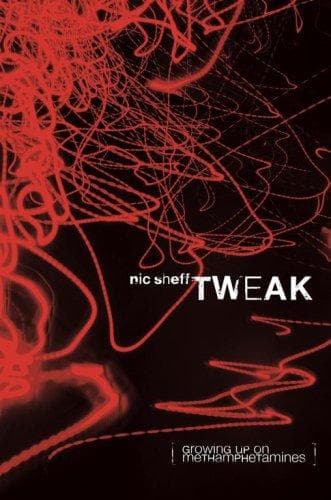
Nic Sheff
Sheff's frank memoir of addiction to methamphetamine gives a first-person view of the struggle that Chasing the Scream explores through research and interviews.
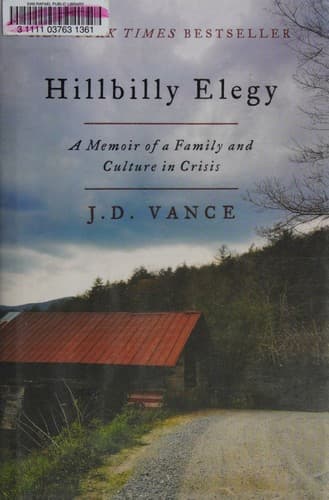
J. D. Vance
Vance's memoir of a struggling Appalachian community touches on opioids and despair, appealing to readers who valued the human stories and social context in Hari's book.
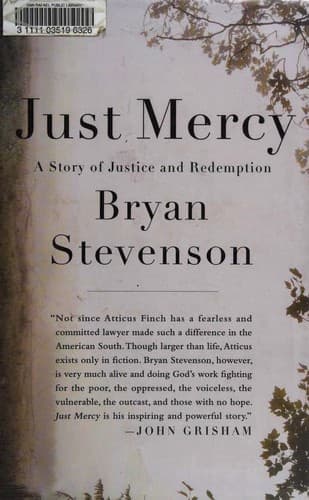
Bryan Stevenson
Stevenson's account of fighting for people caught in an unfair justice system shares Hari's focus on how punitive policy harms individuals and communities.
We earn a commission if you buy through these links. Learn more