
We earn a commission if you buy through these links. Learn more
Tweak
by Nic Sheff
A raw, unsparing first-person account of teenage crystal meth addiction and the relapses that follow, useful for readers who want the unglamorous truth.
What It's About
Tweak is a memoir by Nic Sheff about his years of addiction to crystal methamphetamine, beginning in his teens and running through a long cycle of use, quitting, relapse, and rehab. It is written for young readers and is usually shelved as young adult nonfiction rather than children's books, so the category on this page is a little misleading. It is an adult-scale story told in a direct, accessible register.
The writing is plain and unsentimental. Sheff describes the highs, the crashes, and the lies he told to keep using without casting himself as a hero or a pure victim. The story moves through his life in a broadly chronological way, so you follow the escalation step by step and see how small decisions added up over time. Some passages are raw, and the book does not look away from the physical and emotional damage of drug use.
Reading it is less a lesson than a sustained look inside one person's head. It is short enough to finish in a few sittings, and it pairs well with the knowledge that his father, David Sheff, wrote a separate account of the same period from a parent's point of view. Expect discomfort rather than comfort. This is a book about how hard recovery is, and it does not promise a tidy arc.
Read this if you…
- want an honest first-person account of meth addiction without moralizing
- are interested in how addiction and relapse actually unfold over time
- are a teen or young adult looking for a realistic, non-preachy book about drug use
Skip it if you…
- need a practical recovery guide or a list of steps to follow
- find detailed descriptions of drug use and its physical effects hard to read
Key Ideas
- 1
Addiction as a cycle, not one choice
Sheff shows that addiction is rarely a single bad decision. It is a repeating loop of craving, use, consequence, promises to stop, and return to use. Seeing the pattern repeat across the book makes clear why willpower alone so often fails and why a single rehab stay is rarely the end of the story.
- 2
The stories addicts tell themselves
A central thread is self-deception: the rationalizations, minimizations, and half-truths that keep someone using. Sheff is candid about how convincing these stories felt from the inside. Readers who have watched someone they love justify harmful behavior will recognize the logic, even if the specifics differ.
- 3
Relapse as part of recovery, not failure alone
The book treats relapse as an ugly but recurring feature of getting sober rather than a simple moral failure. It shows how setbacks can reset hope and trust, both for the person using and for the people around them. The lesson is not that relapse is acceptable, but that recovery is rarely linear.
- 4
What addiction costs the people who love you
Family members, friends, and partners carry much of the damage. Sheff's account of how his drug use affected the people closest to him adds weight to the personal story. Because the book is written from inside his experience, it gives a sharp sense of how others experience the same events from outside.
Limitations
Tweak is one person's experience, so it cannot speak for everyone who struggles with methamphetamine. It offers little on treatment science, the broader social forces behind drug use, or how recovery options have changed since it was published. Some readers find the narrative repetitive, since the cycle of use and relapse is the point of the book. Others may feel the focus stays closely on the author's own perspective, with limited reflection on the wider harm he caused.
Questions Readers Ask
- Is Tweak suitable for teenagers?
- Yes, it is commonly read by teens and is shelved in the young adult market. It deals frankly with drug use, overdose risk, and the damage addiction causes, so it works best for readers who can handle mature content. Parents or educators may want to read it first or discuss it afterward, especially with younger readers.
- How does Tweak compare to Beautiful Boy?
- Beautiful Boy, by David Sheff, tells the story from a father's perspective, focusing on fear, helplessness, and the search for help. Tweak is the son's account of the same period, centered on his own experience of using and relapsing. Reading both gives a fuller picture of how addiction affected one family from two sides.
- Is the book still relevant?
- The core experience of addiction and relapse remains current, and the book's honesty about how hard recovery is still resonates. Specifics of the drug market and treatment options have changed since it was published, so readers looking for current guidance should pair it with up-to-date medical or recovery resources.
- Published
- 2007
- ISBN
- 9781847391629
- Difficulty
- beginner
- Category
- Children's Books
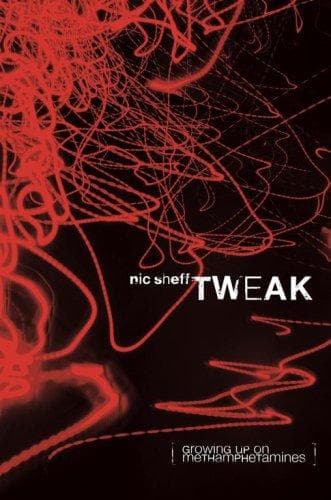
Book details and cover from Google Books.
Ready to read Tweak?
Get your copy on Amazon, or listen to it on Audible. We earn a commission if you buy through these links.