
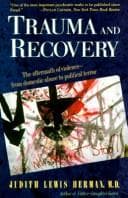
Trauma and Recovery
Judith Lewis Herman
Herman's classic lays out how traumatic experience reshapes the mind and how recovery unfolds in stages, giving the same clinical grounding that Van der Kolk brings to the body's side of the story.
Reader-supported: when you buy through links on our site, we may earn an affiliate commission. Learn more
9 books to read next
If you loved The Body Keeps the Score by Bessel A. Van der Kolk
Readers who loved The Body Keeps the Score usually come for its clear account of how trauma lives in the body, not just the memory. They appreciate the mix of clinical research, patient stories and practical discussion of therapies such as yoga, neurofeedback and somatic approaches. The tone is serious but humane, and the pace is steady, moving from science to hope. These picks follow those threads: trauma science, body-based healing, and deeper reading on the brain.
Judith Lewis Herman
Herman's classic lays out how traumatic experience reshapes the mind and how recovery unfolds in stages, giving the same clinical grounding that Van der Kolk brings to the body's side of the story.
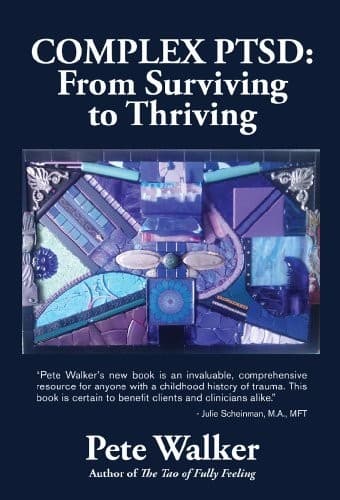
Pete Walker
Walker describes prolonged childhood trauma and its lasting effects on the nervous system, a theme central to The Body Keeps the Score, with a warm, practical focus on healing.
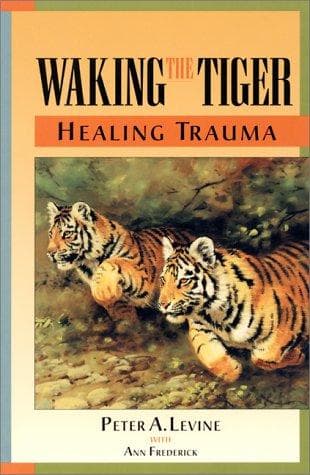
Peter A. Levine
Levine explains how the body holds on to overwhelming experience and how release can happen through physical sensation, the approach Van der Kolk praises in his chapters on somatic therapy.
Babette Rothschild
Rothschild writes plainly about trauma's physical footprint and offers clear self-help tools, appealing to readers who valued the book's practical side.
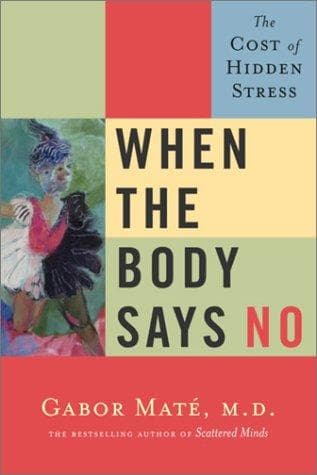
Gabor Maté
Maté examines the link between suppressed emotion and physical illness through patient stories, a readable companion to The Body Keeps the Score's human case studies.
Viktor Emil Frankl
Frankl's short, humane memoir of surviving the camps shows how suffering can be endured and given meaning, a moving complement to the book's hopeful final sections.
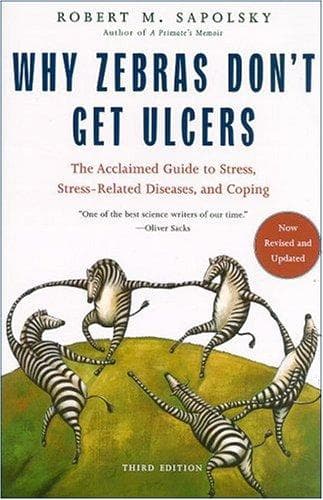
Robert M. Sapolsky
Sapolsky explains how stress hormones affect the body over time with clear science and wit, extending the biology that underpins Van der Kolk's account of trauma.
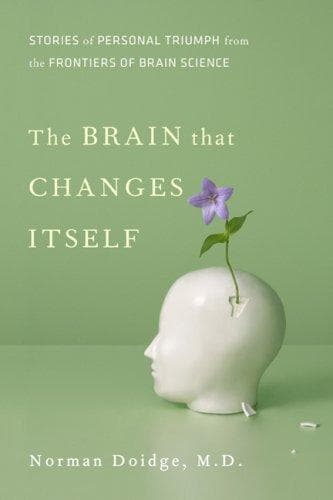
Norman Doidge
Doidge profiles researchers showing neuroplasticity in action, a hopeful companion for readers curious about how the brain can rewire after harm.
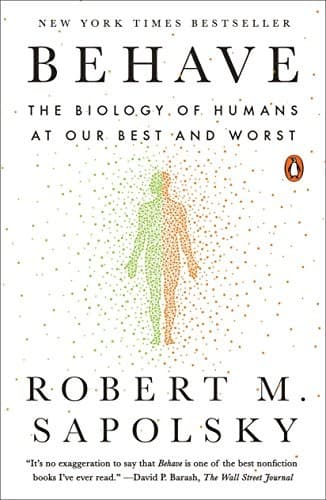
Robert M. Sapolsky
Sapolsky's sweeping look at why humans act as they do ties biology, stress and environment together, appealing to readers who wanted the brain-and-behaviour side of the book explored further.
We earn a commission if you buy through these links. Learn more