
Radical Candor
Kim Scott
Like Cloud's emphasis on coaching direct reports, Scott shows how caring personally while challenging directly lets managers set firm standards without damaging trust. Her practical examples make the approach easy to try.
Reader-supported: when you buy through links on our site, we may earn an affiliate commission. Learn more
12 books to read next
If you loved Boundaries for Leaders by Henry Cloud
Readers who loved Boundaries for Leaders usually value its clear, practical framework: set limits that protect both team performance and personal resilience. They appreciate the blend of clinical insight and business experience, a calm and encouraging tone, and advice they can apply to real conversations with direct reports. The book suits leaders who want healthier culture, clearer expectations and sustainable habits, without hype or abstract theory.
Kim Scott
Like Cloud's emphasis on coaching direct reports, Scott shows how caring personally while challenging directly lets managers set firm standards without damaging trust. Her practical examples make the approach easy to try.
Jocko Willink, Leif Babin
Written by former Navy SEAL leaders, it shares the same conviction that strong leaders own outcomes and set clear standards. Its concrete stories about team discipline will resonate with readers who value firm but fair leadership.
Patrick M. Lencioni
Lencioni's fable-style model explains how trust and accountability break down inside teams. Readers who appreciate Cloud's focus on healthy team structure will find a simple, memorable diagnosis they can use right away.
Greg McKeown
McKeown argues that disciplined leaders say no to almost everything so they can focus on what matters most. This echoes Cloud's idea that boundaries protect performance, and it offers practical routines for guarding time.
Cal Newport
Newport makes the case for protected, distraction-free blocks of focused work. Readers who valued Cloud's guidance on managing themselves will appreciate his concrete rules for structuring a demanding working life.
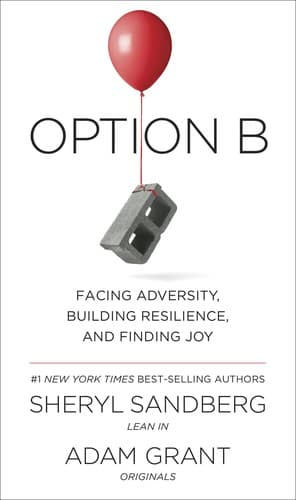
Sheryl Sandberg, Adam Grant
Written after a sudden loss, it explores how people rebuild resilience under pressure. Readers drawn to Cloud's focus on leading yourself well will find a warm, honest account of personal recovery and support.
Jim Collins
Collins studies what separates lasting high-performing companies, highlighting disciplined people and consistent values. Readers who liked Cloud's focus on organisational culture will find evidence-based ideas about building that culture.
Daniel Coyle
Coyle examines how strong groups build safety, shared purpose and trust. It extends Cloud's interest in instilling values in a team, with vivid field reporting and practical habits leaders can adopt.
Daniel H. Pink
Pink explains that autonomy, mastery and purpose motivate people more than rewards alone. Readers who appreciated Cloud's advice on coaching teams will find a clear, research-based guide to engaging employees.
James Clear
Clear breaks down how small, consistent changes compound into major results. For readers of Cloud's book, it offers a practical system for building the daily routines that keep leaders steady and effective.
Carol S. Dweck
Dweck contrasts fixed and growth mindsets, showing how beliefs shape response to setbacks. Leaders who value Cloud's emphasis on personal resilience will find useful ideas about developing their own growth and their teams'.
Daniel Kahneman
Kahneman explains how intuitive and deliberate thinking shape decisions. Readers who appreciated Cloud's use of human behaviour and neuroscience will find a deeper look at the biases that affect leaders' judgement.
We earn a commission if you buy through these links. Learn more