Michael E. Porter
Like Blue Ocean Strategy, it rejects vague competitive thinking in favour of structured analysis. Porter's frameworks for industry forces and positioning give you the rigorous foundation that Kim and Mauborgne build on.
Reader-supported: when you buy through links on our site, we may earn an affiliate commission. Learn more
12 books to read next
If you loved Blue Ocean Strategy, Expanded Edition by W. Chan Kim, Renee Mauborgne
Readers who love Blue Ocean Strategy usually value its central idea: instead of fighting rivals in crowded markets, you can create uncharted space where competition matters less. They tend to enjoy its clear frameworks, its many real company case studies, and its direct, challenging tone against conventional business wisdom. The book is practical and structured, and it rewards readers who want strategy they can act on.

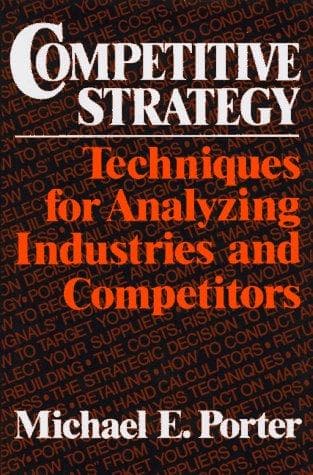
Michael E. Porter
Like Blue Ocean Strategy, it rejects vague competitive thinking in favour of structured analysis. Porter's frameworks for industry forces and positioning give you the rigorous foundation that Kim and Mauborgne build on.

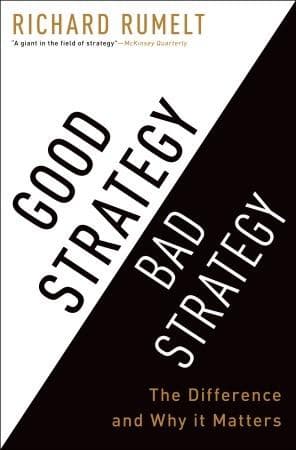
Richard P. Rumelt
Rumelt shares Blue Ocean's impatience with empty strategy language. He shows how to diagnose a real challenge and design coherent action, which suits readers who want to turn bold ideas into practical choices.

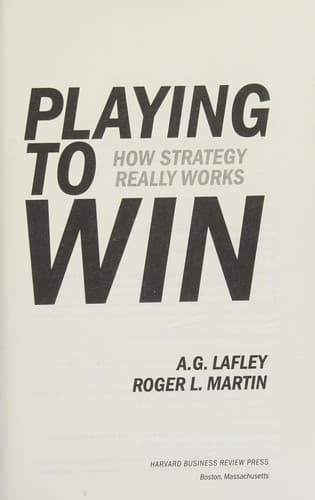
A. G. Lafley
Written by a former Procter & Gamble leader, it uses concrete company decisions to explain where to play and how to win. Its focus on choices over rivalry will appeal to readers drawn to Blue Ocean's approach.
Clayton M. Christensen
Christensen explains how established firms are undone by disruptive offerings that start in overlooked niches. Readers who value Blue Ocean's untapped markets will see the same logic from the incumbent's side.
Peter Thiel, Blake Masters
Thiel argues that the most valuable businesses create something new rather than copy existing competition. His case against competing head-on mirrors Blue Ocean Strategy's call to escape the red ocean.
Alexander Osterwalder, Yves Pigneur
This visual guide offers a practical canvas for designing and testing new business models. It pairs well with Blue Ocean's tools, giving readers a hands-on way to sketch an uncontested market idea.

Chip Heath, Dan Heath
The Heaths explain why some ideas succeed and others fade, with memorable examples and clear principles. Readers who liked Blue Ocean's accessible case studies will appreciate how it makes strategic ideas stick.

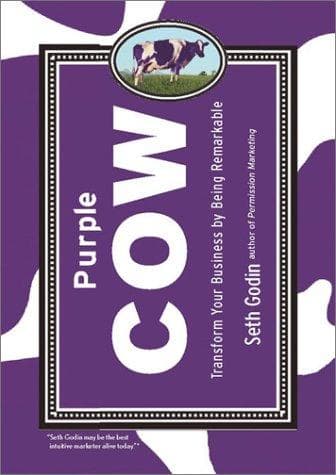
Seth Godin
Godin urges businesses to stand out by being remarkable rather than blending in. Its call to break from the herd resonates with Blue Ocean's argument for differentiation over imitation.
Simon Sinek
Sinek argues that compelling purpose drives lasting success more than competing on features. Readers who enjoyed Blue Ocean's focus on value innovation will find a complementary view of what makes a company stand apart.
Jim Collins
Collins studies companies that moved from good results to sustained excellence, using rigorous research. Its evidence-driven style will appeal to readers who appreciated Blue Ocean's grounding in real company examples.

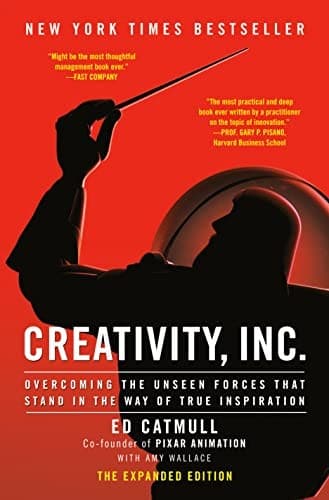
Ed Catmull, Amy Wallace
Catmull, a co-founder of Pixar, describes how his team protected creative risk-taking inside a large organisation. It offers a human look at building innovation that Blue Ocean readers will find illuminating.
Eric Ries
Ries presents a method for testing new ideas quickly and learning what customers truly want. Readers drawn to Blue Ocean's search for untapped demand will find a practical process for exploring new market space.
We earn a commission if you buy through these links. Learn more