
Atomic Habits
James Clear
Like The Slight Edge, it argues that tiny daily actions compound into major change. Clear gives practical systems for building good habits and dropping bad ones, turning the book's philosophy into concrete steps.
Reader-supported: when you buy through links on our site, we may earn an affiliate commission. Learn more
We earn a commission if you buy through these links. Learn more
Find Similar Booksby Jeff Olson
The Slight Edge makes a single, useful case: small daily choices compound into large differences, so the ordinary habits you repeat matter more than occasional big efforts.
2 creators reviewed The Slight Edge on YouTube between 2015 and 2016, with 423.3K views between them. Their opinions are their own; we picked these reviews, we didn't write them.
The Slight Edge is a short self-help book built around one observation: outcomes in health, money, and relationships usually come from small, repeated daily actions rather than occasional dramatic efforts. Olson argues that the same modest habit, repeated over years, compounds into very different lives, and that this effect works in both directions. Good habits pay off slowly, and bad ones quietly erode what you have built.
The style is conversational and anecdotal. Olson leans on personal stories and simple illustrations, and he returns to the central point many times in different forms. The text reads quickly, and much of its energy goes into reframing everyday decisions rather than laying out a detailed method. The 8th anniversary edition adds material on what he calls the Secret to Happiness and the Ripple Effect, which extends the argument from individual habits to how your daily conduct affects the people around you.
Reading it feels like being encouraged by an upbeat friend who has one strong idea and wants you to take it seriously. It is motivating and easy to finish in a sitting or two. Its value lies in changing how you think about small choices, not in supplying new techniques, so readers looking for specific systems will find it thin.
The book's core claim is that tiny, repeated actions, such as a few minutes of reading or a short walk, produce outsized results over years. Olson stresses that the gap between people who succeed and those who stall is rarely a single decision but the accumulated weight of many small ones. Seen this way, consistency matters more than intensity.
Olson points out that a productive habit and a destructive one often require nearly the same effort in the moment. Skipping a task is as easy as doing it, which means the outcome is decided by repetition rather than willpower on any given day. This framing turns ordinary choices into the place where lives are actually shaped.
Because compounding is slow at first, the early stages look like they produce nothing, and many people abandon the effort just before it starts to pay off. The book argues that understanding this lag is what keeps a person going. Expecting a delay makes it easier to stay with a process that seems pointless in its first months.
Olson presents his way of thinking less as a technique and more as the lens that determines whether you can use any self-help method. He suggests that people who read many books but change little are missing this underlying approach. The claim is persuasive as a motivational point, though it is easier to accept than to test.
In the anniversary material, Olson extends his argument to how daily choices affect others, not just the person making them. He connects consistent conduct with a sense of well-being, though the reasoning here is more reflective and less developed than the core idea. Readers may find these additions more personal than practical.
Critics often find the book repetitive, since one idea is restated in many forms across a short text. Its claims rest mostly on personal anecdote rather than research, and the definition of success it assumes is broad and not carefully examined. The book offers little on the practical obstacles that stop people from building habits, such as stress, illness, money pressure, or unequal starting points. Its advice can sound more like a formula than an honest account of how change actually happens.
Book details and cover from Google Books.
Ready to read The Slight Edge?
Get your copy on Amazon, or listen to it on Audible. We earn a commission if you buy through these links.
James Clear
Like The Slight Edge, it argues that tiny daily actions compound into major change. Clear gives practical systems for building good habits and dropping bad ones, turning the book's philosophy into concrete steps.
Charles Duhigg
It explores how daily routines shape behaviour almost automatically, echoing the Slight Edge idea that ordinary actions drive outcomes. Duhigg backs his points with research and vivid stories from business and everyday life.
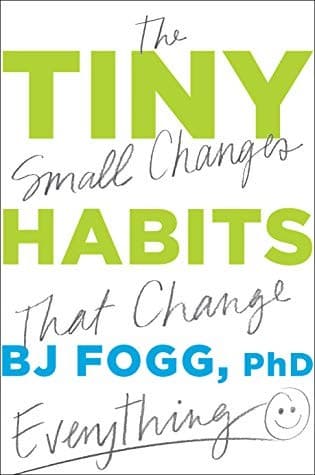
B. J. Fogg
Fogg shows how starting with very small behaviours makes change easier and lasting. Readers who appreciated the Slight Edge's focus on simple daily choices will find a clear, step-by-step method here.
Carol S. Dweck
Dweck's research on growth versus fixed mindsets speaks to the Slight Edge's emphasis on how you think. It explains why beliefs about ability shape the choices you make every day.