David J. Chalmers
Chalmers gives the sharpest statement of the hard problem, the question of why physical processes feel like anything at all, which Pollan circles throughout A World Appears. Expect more rigorous argument and less storytelling.
Reader-supported: when you buy through links on our site, we may earn an affiliate commission. Learn more
12 books to read next
If you loved A World Appears by Michael Pollan
Readers who loved A World Appears tend to enjoy its wide-ranging curiosity about how experience arises, and its willingness to move between laboratory science, philosophy, literature and personal reflection. Pollan writes with a journalist's clarity, asks big questions without jargon, and treats the inner life as both a scientific puzzle and a source of wonder. If you want books that take feeling seriously, stretch the idea of mind beyond humans, and render the stream of thought on the page, these picks follow the same path.

David J. Chalmers
Chalmers gives the sharpest statement of the hard problem, the question of why physical processes feel like anything at all, which Pollan circles throughout A World Appears. Expect more rigorous argument and less storytelling.

Daniel C. Dennett
Dennett takes the opposite stance to the more radical theories Pollan explores, arguing that subjective experience can be explained by brain processes. It is a provocative counterpoint for readers who enjoyed the book's debates.

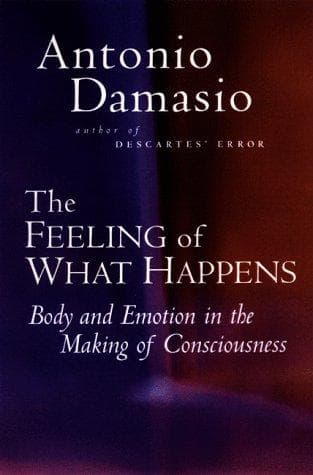
Antonio R. Damasio
Damasio links consciousness to the body and to feeling, grounding the mystery of the self in neurology. Like Pollan, he writes for curious general readers who want the science explained patiently.

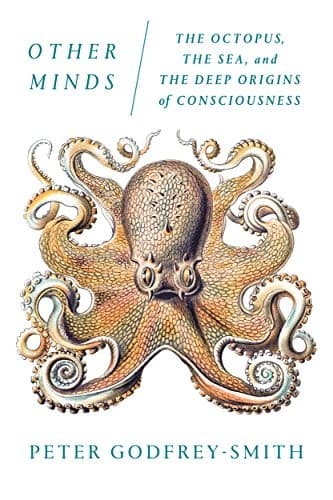
Peter Godfrey-Smith
This book follows the evolution of consciousness through the octopus, a mind that arose completely separately from ours. It matches A World Appears in asking where subjective experience begins and how we could ever know.
Ed Yong
Yong describes how animals perceive worlds we cannot access, from echolocation to magnetic sense. It extends the sense of wonder Pollan brings to plant and animal awareness, with vivid, carefully sourced reporting.

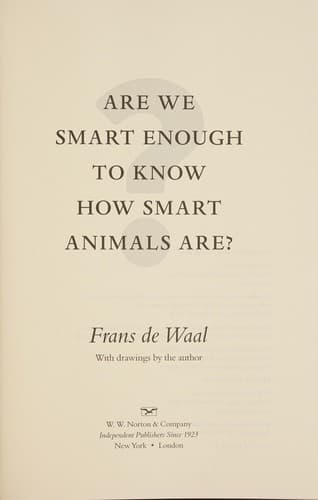
Frans de Waal
De Waal challenges the assumption that human intelligence and feeling are the measure of all minds. Readers drawn to Pollan's questions about who has experience will find a warm, humane argument here.

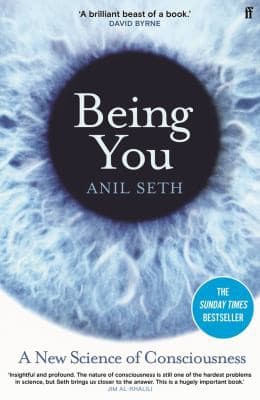
Anil Seth
Seth presents consciousness as the brain's controlled hallucination of the self and the body. It is a clear, up-to-date guide to the same neuroscience that A World Appears surveys, written for non-specialists.

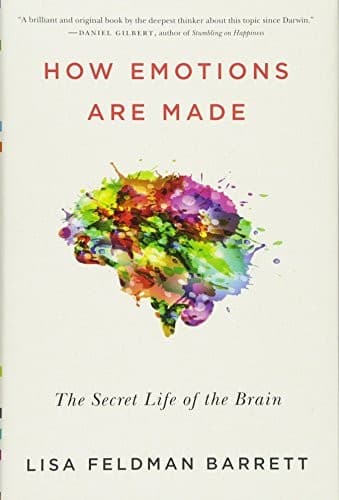
Lisa Feldman Barrett
Barrett argues that emotions are constructed by the brain rather than read off the body, a claim that reshapes how we think about felt experience. Readers who liked Pollan's scrutiny of the inner life will find it bracing.

Annaka Harris
Harris offers a short, personal and accessible inquiry into what consciousness is and whether it can be explained. It suits readers who want the same open-minded wonder as A World Appears in a more compact form.

Virginia Woolf
Woolf follows a single day through the drifting thoughts of several characters, capturing the felt texture of consciousness as Pollan describes it. It is a classic of the literary attempt to render inner life.

James Joyce
Joyce's novel pushes interior monologue to its limits, mapping the unruly flow of a mind through one ordinary day. Readers fascinated by the stream of thought will find it a demanding and rewarding next step.
Oliver Sacks
Sacks writes case studies of neurological conditions that reveal how strange and fragile perception can be. It shows the link between brain and experience through human stories, much like Pollan's blend of science and narrative.
We earn a commission if you buy through these links. Learn more