
The Way of Kings
Brandon Sanderson
Like Islington's book, it builds a richly detailed magic system with clear rules and a large cast of characters whose storylines slowly converge. Expect a long, patient read that rewards careful attention.
Reader-supported: when you buy through links on our site, we may earn an affiliate commission. Learn more
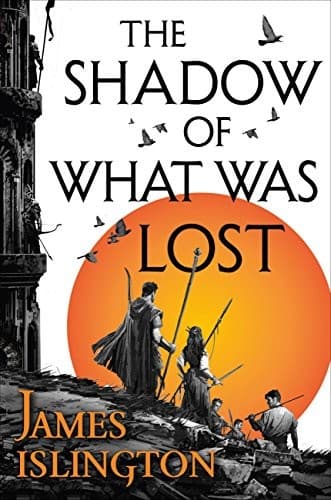
12 books to read next
If you loved The Shadow of What Was Lost by James Islington
Readers who love The Shadow of What Was Lost usually come for its slow-building mystery, its layered magic system, and the sense that the world's past is hiding something important. The story moves at a deliberate pace, rewarding close attention, and its protagonists are drawn into larger questions about memory, identity and power. The tone is serious and immersive, with a strong emphasis on character and consequence rather than constant action. The picks below follow those threads, from intricate worldbuilding to buried histories and morally complicated heroes.
Brandon Sanderson
Like Islington's book, it builds a richly detailed magic system with clear rules and a large cast of characters whose storylines slowly converge. Expect a long, patient read that rewards careful attention.
N. K. Jemisin
Its carefully constructed world hides secrets beneath its surface, much as the source book does. The layered structure and the gradual reveal of how magic really works will appeal to readers who enjoyed its intricate design.
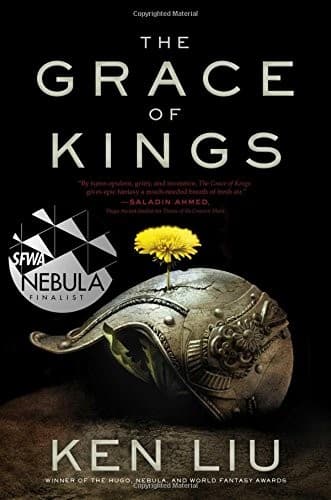
Ken Liu
It offers an epic, politically rich fantasy in which history and legend shape the present. Readers who appreciated the sense of a deep, lived-in world will find the same ambition and scale here.
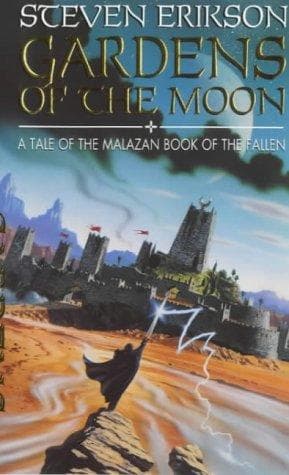
Steven Erikson
It drops the reader into a vast world with a long, half-hidden past and many factions pursuing unclear goals. Like The Shadow of What Was Lost, it trusts readers to piece together the larger picture over time.
Tad Williams
A quest that becomes a meditation on memory, history and the cost of forgotten pasts. Readers who enjoyed the source book's focus on lost knowledge and the weight of the past will feel at home.
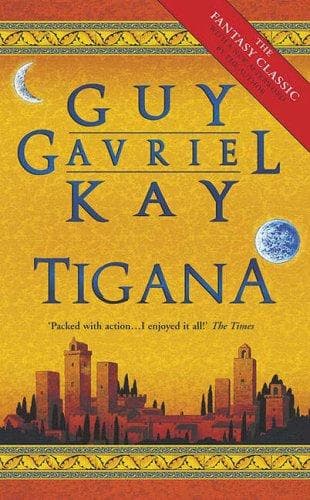
Guy Gavriel Kay
Its central idea, a land whose name and memory have been erased, speaks directly to the theme of what has been lost. The prose is lyrical and the emotional stakes are high, which suits readers who loved the source book's tone.
Joe Abercrombie
Its flawed, morally uncertain characters and dry, sardonic voice make it a good match for readers who appreciated the grounded, character-driven side of the source book. The story also balances tension with humour.
Scott Lynch
A clever, character-led story full of schemes and reversals, with a strong sense of a richly textured city. Readers who enjoy intricate plotting and a cast of memorable, complicated figures will find it rewarding.
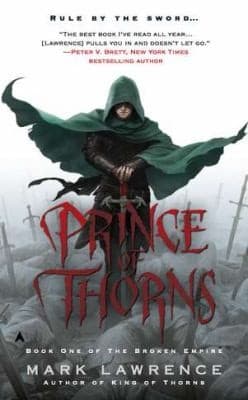
Mark Lawrence
A darker, more brutal take on the coming-of-age fantasy, with a protagonist whose choices are hard to excuse. It suits readers who want a harder edge and a narrator whose past is gradually revealed.
Ursula K. Le Guin
One of the foundational works of modern fantasy, it treats magic as a matter of knowledge, language and responsibility. Readers who valued the source book's thoughtful approach to power will see its roots here.
Robin Hobb
A patient, intimate story about a young protagonist learning hard lessons about loyalty and identity. Its emotional focus and careful pacing will appeal to readers who connected with the source book's characters.
Patrick Rothfuss
A detailed, immersive narrative with a gifted protagonist, a magic system grounded in study, and a mystery about the past. Readers who loved the source book's blend of learning, secrets and character growth should enjoy it.
We earn a commission if you buy through these links. Learn more