
Six of Crows
Leigh Bardugo
A crew of misfits in a grimy canal city attempts an impossible heist, with the same sharp banter, layered schemes and fierce loyalty that make the Gentleman Bastards so lovable.
Reader-supported: when you buy through links on our site, we may earn an affiliate commission. Learn more
We earn a commission if you buy through these links. Learn more
Find Similar Booksby Scott Lynch
A witty, profane fantasy heist novel set in a gorgeous canal city, where a brilliant con man's elaborate scheme collides with a brutal underworld war he never saw coming.
Locke Lamora is an orphan turned master swindler in Camorr, a decaying, Venice-like city of canals, alien glass towers left by a vanished race, and alchemical wonders. With his small crew of fellow thieves, the Gentlemen Bastards, he runs long cons on the nobility, quietly breaking the unwritten truce that keeps the city's criminal boss and its rulers at peace. Then a mysterious figure starts murdering gang leaders, and Locke's private game gets swept into something far more dangerous.
Lynch tells the story on two tracks. The present-day plot is a tense mix of caper and revenge thriller, while interludes jump back to Locke's childhood training under Father Chains, a fake priest who raises orphans to be con artists. Those flashbacks deepen the characters and often set up payoffs in the main story. The world-building is lush but delivered with a light touch: food, architecture, criminal customs and odd local sports all feel lived in.
Reading it feels like watching a clever heist film that suddenly turns serious. The banter is fast and genuinely funny, the cons are satisfyingly intricate, and the friendship among the crew carries real emotional weight. Be warned, though: the second half gets dark, violent and personal, and the swearing is relentless throughout. It was Lynch's 2006 debut and remains one of the most recommended entry points into character-driven, lower-magic fantasy.
The emotional core is the bond between Locke and his crew, especially his best friend Jean, a bookish brawler. Their loyalty, teasing and shared history under Father Chains make the book more than a puzzle box. Lynch makes you care about these people before he puts them in danger, which is why the darker turns land so hard.
Much of the pleasure comes from watching elaborate deceptions unfold: disguises, invented identities, forged credentials, and scams layered inside scams. Lynch often withholds part of the plan so the reveal surprises you along with the marks. Locke's real gift is improvisation, and the story keeps testing what happens when his talent for talking his way out meets enemies who won't listen.
Camorr is crammed with detail: mysterious Elderglass structures, floating markets, rigid criminal hierarchies, and a ruling class with its own cruelties. The setting shapes the plot at every turn, from where cons can happen to how violence is punished. It's fantasy that feels grounded in commerce, class and crime rather than prophecy and chosen ones.
The interludes from Locke's youth aren't filler. They show how he learned his craft, reveal the moral code Father Chains instilled, and plant details that pay off later. The alternating structure slows the opening slightly but gives the climax extra resonance, since you understand exactly what Locke has to lose.
The book starts with the breezy tone of a caper comedy, full of sharp insults and absurd situations, then gradually reveals real stakes and real cruelty. That tonal shift is deliberate: Lynch shows that clever games have consequences in a city run by violent people. Readers who expect pure fun may be startled.
The opening can feel slow as flashbacks interrupt the main plot, and some readers find the world-building digressions indulgent. The swearing is constant and occasionally feels performative. Female characters are relatively thin in this first volume; a key woman in Locke's life is mentioned but kept offstage. A few plot turns rely on convenient coincidences or near-superhuman resilience. Most importantly for newcomers, the Gentleman Bastard sequence has been stalled after the third book for many years, so committing to the series means accepting an open-ended wait. The book itself, though, works well as a standalone.
Reviews from readers on YouTube. Their opinions are their own.
Book details and cover from Google Books.
Ready to read The Lies of Locke Lamora?
Get your copy on Amazon, or listen to it on Audible. We earn a commission if you buy through these links.
Leigh Bardugo
A crew of misfits in a grimy canal city attempts an impossible heist, with the same sharp banter, layered schemes and fierce loyalty that make the Gentleman Bastards so lovable.
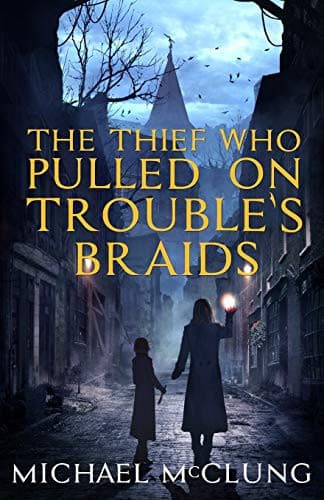
Michael McClung
A tough, wisecracking thief stumbles into a deadly conspiracy in a corrupt city, offering the brisk pace and street-level roguery Locke Lamora fans enjoy.
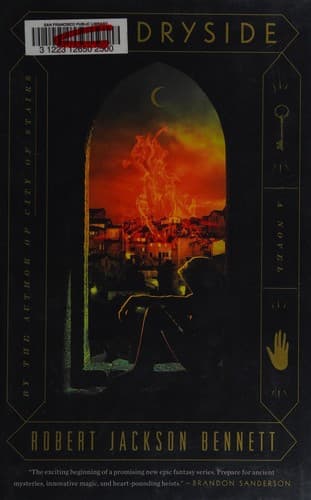
Robert Jackson Bennett
A gifted thief in a city ruled by merchant houses steals the wrong object, blending heist energy, clever magic and found-family warmth much like Lynch's Camorr.
Joe Abercrombie
Morally grey characters, dark humour and abrupt violence give it the same mix of wit and brutality that defines Locke's world.