
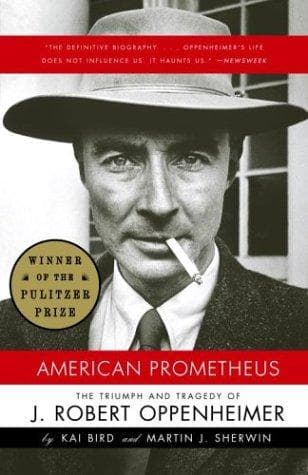
American Prometheus
Kai Bird, Martin J. Sherwin
A biography of J. Robert Oppenheimer that covers the Manhattan Project in depth. It matches the source book's blend of physics, politics and personal drama, and it draws on extensive archival research.
Reader-supported: when you buy through links on our site, we may earn an affiliate commission. Learn more
12 books to read next
If you loved The Making of the Atomic Bomb by Richard Rhodes
Readers who love The Making of the Atomic Bomb usually respond to its sweeping scope and its vivid portraits of the physicists behind nuclear fission. The book reads like a character-driven narrative, moving from early discoveries in physics through the wartime race to the Manhattan Project. It combines dense scientific and political detail with a steady, measured pace and a serious moral weight. If you want history that explains both the science and the people making it, these picks should feel familiar.
Kai Bird, Martin J. Sherwin
A biography of J. Robert Oppenheimer that covers the Manhattan Project in depth. It matches the source book's blend of physics, politics and personal drama, and it draws on extensive archival research.
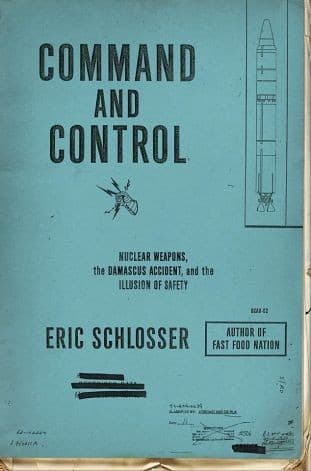
Eric Schlosser
Investigates the decades of nuclear weapons handling that followed the bomb, with careful reporting on the close calls. Readers who valued the source book's attention to the Cold War aftermath will find it a sobering companion.
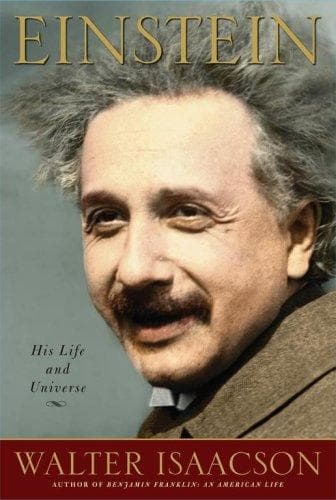
Walter Isaacson
A full biography of the physicist whose ideas and letters helped set the atomic story in motion. It gives the scientific background and the human character that the source book brings to its own cast.
Richard P. Feynman
The memoir of a physicist who worked at Los Alamos, told in lively anecdotes. It gives an informal, personal view of the wartime scientists that complements the source book's portraits.
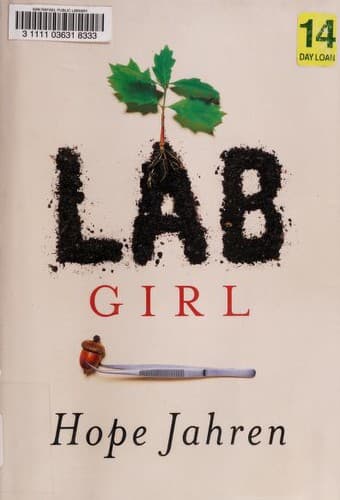
Hope Jahren
A memoir of a scientist's life in the lab, focused on persistence, friendship and the daily work of research. It suits readers who enjoyed the source book's focus on the people behind the discoveries.
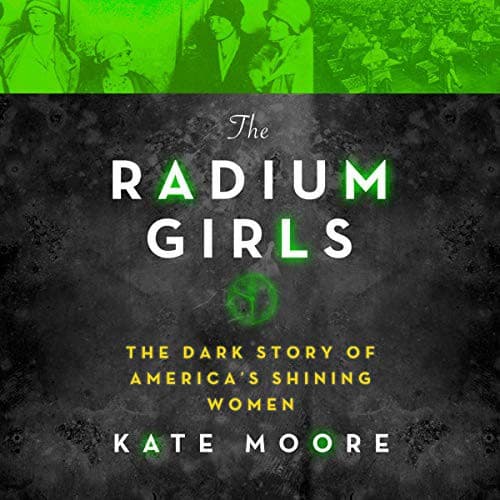
Kate Moore
Tells the true story of young factory workers poisoned by radioactive paint and the fight for justice that followed. It shows the human cost of early work with radioactive materials in a gripping narrative.
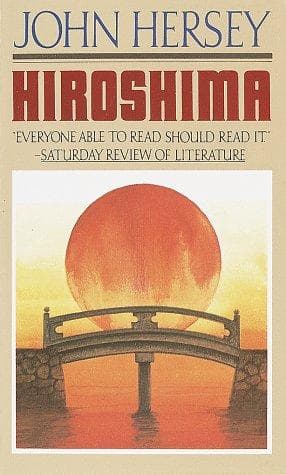
John Hersey
A short, powerful account of the bombing told through six survivors. It conveys the human reality of the destruction that the source book builds toward, in a restrained and affecting style.
William L. Shirer
A detailed history of Nazi Germany that explains the wartime context driving the Allied race for the bomb. Readers who appreciated the source book's political backdrop will find it a substantial read.
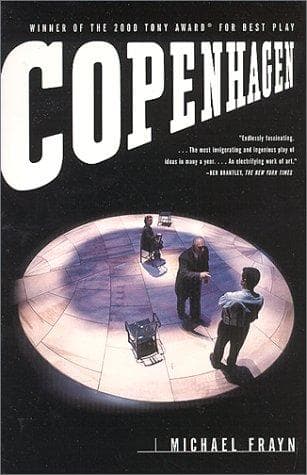
Michael Frayn
A play that imagines a wartime meeting between Niels Bohr and Werner Heisenberg, exploring the moral questions of physicists working on the bomb. It engages with the same people and dilemmas the source book examines.
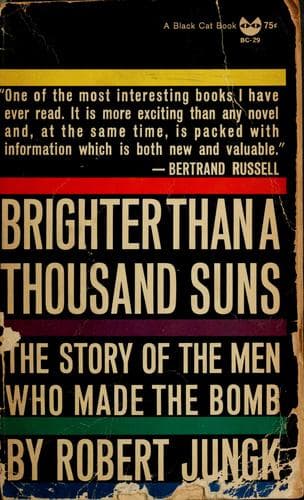
Robert Jungk
An early and influential history of the scientists who built the bomb and their moral struggles. It covers much of the same ground as the source book and offers a thoughtful perspective on the physicists' choices.
Siddhartha Mukherjee
A history of cancer that traces scientific discovery alongside human stories with the same narrative care. Readers who admired the source book's scholarship and storytelling will appreciate its approach.
Carl Sagan
A broad tour of science and its history, written with wonder and clarity. It places the discovery of nuclear energy within the larger story of how humans came to understand the universe.
We earn a commission if you buy through these links. Learn more