
Speak
Laurie Halse Anderson
Like The Chocolate War, it follows a teenager isolated by her peers after a single act, showing how school social pressure can crush a student. Its narrator's sharp, wary voice will feel familiar to Cormier's readers.
Reader-supported: when you buy through links on our site, we may earn an affiliate commission. Learn more
11 books to read next
If you loved The Chocolate War by Robert Cormier
Readers who love The Chocolate War usually come for its unflinching look at school cruelty, its refusal to offer easy comfort, and its tense, sharp prose. The story builds slowly around a single act of defiance, with pressure coming from teachers, classmates and secret societies alike. Its short, punchy chapters and moral unease leave readers unsettled long after the last page, and many want books that carry the same tension about power, conformity and standing up alone.
Laurie Halse Anderson
Like The Chocolate War, it follows a teenager isolated by her peers after a single act, showing how school social pressure can crush a student. Its narrator's sharp, wary voice will feel familiar to Cormier's readers.
S. E. Hinton, Christopher Sergel
Hinton's novel shows rival groups of teenagers and the loyalty and violence that bind them. Like Cormier's Trinity High, it presents school-age cruelty without sentimentality and with a clear eye on consequences.
John Green
Set at a boarding school with its own secret codes and rivalries, this novel explores teenage cliques, pranks and a shocking turn. Fans of Cormier's school setting and its undercurrent of danger will recognise the atmosphere.
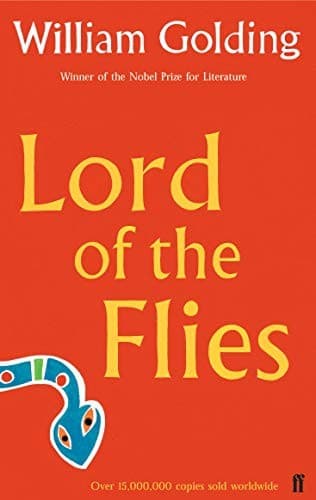
William Golding
Like The Chocolate War, it shows how a group of young people can turn on one another once a bully gains control. Its portrait of mob thinking and the cost of standing apart will resonate with Cormier's fans.
Lois Lowry
Lowry's story of a boy who sees past a controlled community echoes Cormier's interest in conformity and the price of refusing to go along. Its quiet, unsettling tone suits readers who admired the book's moral seriousness.
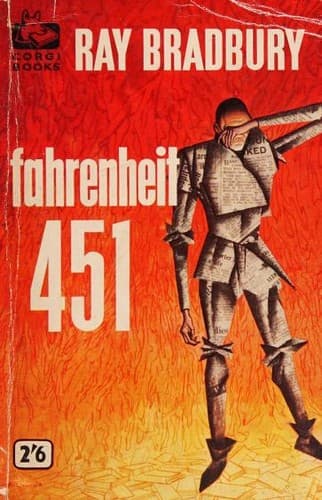
Ray Bradbury
Bradbury's novel examines a society that punishes independent thought, much like the school pressure that punishes Jerry's refusal in The Chocolate War. Its urgent, vivid style rewards readers who value books that question authority.
E. Lockhart
Lockhart's novel uses a tense, secretive atmosphere and a late reveal that recasts everything before it. Readers who valued the slow-building dread and sharp turns of The Chocolate War will find a similar payoff.
Suzanne Collins
Collins builds a brutal contest of power and cruelty in which a single defiant act carries huge risk. Fans of The Chocolate War's willingness to show harsh consequences will find the same grim momentum here.
Robert Cormier
Cormier's other novel is equally bleak and unsettling, with a fractured structure and a dark sense of institutional menace. Readers who loved his refusal to soften the truth will find it a natural next step.
Kazuo Ishiguro
Ishiguro's quiet, restrained narrative slowly reveals a cruel system that its young characters accept too readily. Readers drawn to The Chocolate War's measured dread and its questions about compliance will find it haunting.
Angie Thomas
Thomas's novel follows a teenager who must decide whether to speak up when injustice surrounds her at school and home. Readers who admired The Chocolate War's courage in confronting institutional power will find its moral stakes equally urgent.
We earn a commission if you buy through these links. Learn more