Reader-supported: when you buy through links on our site, we may earn an affiliate commission. Learn more

Cover of The Outsiders
Buy on AmazonBuy on Bookshop.orgListen on Audible

We earn a commission if you buy through these links. Learn more

Find Similar Books

The Outsiders

by S. E. Hinton, Christopher Sergel

Children's Books
★★★★☆4.0 (45)

Guide by the Books of the Day editors · Updated · How we write our guides

Hinton's gritty, teenage-voiced story of rival gangs in Tulsa remains a fast, emotionally honest read about loyalty and being judged by where you come from.

What It's About

The Outsiders is a short novel narrated by Ponyboy Curtis, a fourteen-year-old living in Tulsa with his two older brothers after their parents' deaths. He belongs to the greasers, a crowd of working-class kids set against the wealthier Socs, and the divide between them is about money, clothes, and who gets believed. The story moves through the everyday rhythm of street life: fights, movies, rides, late nights, and the constant sense that trouble is one bad night away.

Hinton wrote the book as a teenager, and the voice shows it. Ponyboy sounds like a smart, defensive kid who loves his friends and reads more than anyone expects, so he keeps noticing sunsets and poetry in the middle of violence. The prose is direct, the chapters are short, and the dialogue carries a lot, so the book reads quickly. It is an easy novel to finish in a single sitting.

The experience is less a story about gangs than about a boy deciding who he is when the world has already decided for him. Its emotional weight comes from small moments between brothers and friends as much as from the big confrontations, and it asks what loyalty costs and how labels stick.

Read this if you…

  • want a fast, emotionally direct novel that doesn't talk down to young readers
  • are interested in how class and poverty shape the choices teenagers make
  • are revisiting a book you read as a teenager and want to see how it holds up

Skip it if you…

  • need a gentle book with no violence or characters who die
  • want a sophisticated, experimental style or deep psychological complexity

Key Ideas

  1. 1

    Class as an invisible wall

    The conflict between greasers and Socs is driven less by any single act than by money, appearance, and who a community assumes is dangerous. Hinton shows how those assumptions shape police attention, schooling, and friendships long before anyone throws a punch. Reading the book with this in mind makes the violence feel like the visible end of a much older divide.

  2. 2

    Family made from friends

    Ponyboy's home is held together by his brothers and a small circle of friends who function as family. The book takes that bond seriously, showing both its warmth and its pressure. Many readers come away thinking about how much a group of people can give each other when no one else is looking out for them.

  3. 3

    Pride, boredom, and violence

    Hinton doesn't present fighting as glamorous or as pure evil. She treats it as something that grows out of pride, restlessness, and the need to prove you aren't weak. The book lets you feel why young people get pulled in, which is more unsettling than a simple moral lecture.

  4. 4

    Holding onto yourself through noticing

    Ponyboy's habit of reading and watching the world closely gives him a private refuge from the fights around him. The idea that beauty and attention can coexist with danger runs quietly through the whole story. It is one of the reasons the book feels more humane than its plot summary suggests.

  5. 5

    Labels versus the person underneath

    Almost every character is judged by a group name before anyone learns who they are. The book keeps returning to the gap between how people are labeled and how they actually behave. That tension gives the simple plot a surprising amount of moral depth.

Limitations

The cast is almost entirely male, and the women are largely background figures, which reflects its era and can feel thin to modern readers. The Socs are drawn in broad strokes, so the class divide can read more like a fixed fact than a complicated social system. Some readers find the romanticizing of the greaser code uncomfortable, and the prose is deliberately plain, which means it offers less stylistic richness than many adult novels. The book is also short, so it leaves some threads lightly explored.

Questions Readers Ask

Is The Outsiders still worth reading today?
Yes, mainly for its emotional honesty and its direct look at class and loyalty. Some details of 1960s teenage life feel dated, and the gender roles are old-fashioned. Still, the core of the story about brothers, friends, and being judged by your background holds up well for modern readers.
Is it appropriate for middle-school readers?
Many schools assign it to younger teenagers, and it is widely read at that age. It includes fights, a death, and mentions of alcohol and smoking, so parents who want to check first may find it useful to skim a few scenes. Its themes are accessible, and it rewards discussion.
Published
1967
ISBN
9780871292773
Difficulty
beginner
Category
Children's Books

Book details and cover from Google Books.

Ready to read The Outsiders?

Get your copy on Amazon, or listen to it on Audible. We earn a commission if you buy through these links.

Books Like The Outsiders

View all →
Cover of The Chocolate War

The Chocolate War

Robert Cormier

Like The Outsiders, it shows teenagers caught in a power struggle with a rigid, cruel system. Its bleak, unflinching tone and focus on peer pressure will feel familiar to anyone who valued Ponyboy's clear-eyed view of the world.

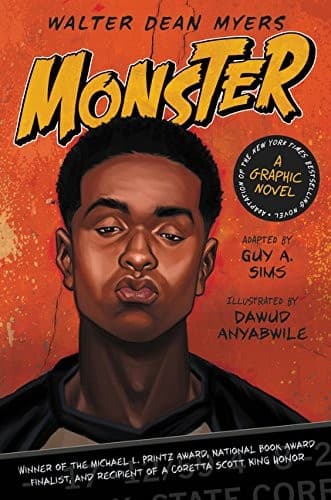
Cover of Monster

Monster

Walter Dean Myers

Told through a teenager's own account of a violent crime, it has the same immediate, street-level feel as The Outsiders. Its honest portrait of a young narrator fighting to be seen as a person will resonate with fans of Ponyboy.

Cover of The Hate U Give

The Hate U Give

Angie Thomas

A contemporary story of a teenager torn between two worlds after a violent event, it echoes The Outsiders' theme of divided communities and the courage it takes to speak up. Its strong, believable voice keeps the emotional stakes high.

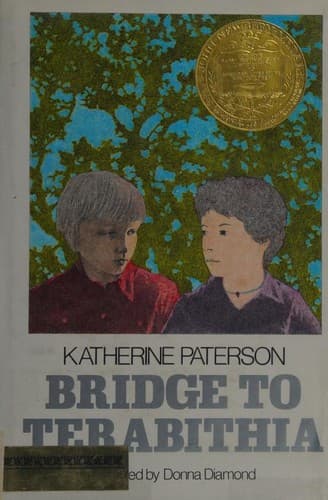
Cover of Bridge to Terabithia

Bridge to Terabithia

Katherine Paterson

It is a tender, sorrowful story about a close friendship between two outsiders who find a world of their own. Readers who were moved by the bond between Ponyboy and his friends will find the same emotional honesty here.

Explore More