
The Giver
Lois Lowry
Like Cormier's novel, it shows a controlled society that hides its own cruelty behind calm routines. A young protagonist slowly sees through the surface, and the story builds to a quiet but devastating reckoning.
Reader-supported: when you buy through links on our site, we may earn an affiliate commission. Learn more
We earn a commission if you buy through these links. Learn more
Find Similar BooksCormier's unsettling 1977 thriller about a boy questioned on tape while searching for his father remains a sharp, short introduction to institutional fear in YA fiction.
I Am the Cheese follows Adam Farmer, a fifteen-year-old who is riding his bicycle through a small town on an errand his father has set him, while a man named Brint questions him through a tape recorder. The novel alternates between Adam's ride, his fragmented memories, and the recorded sessions, so the reader pieces together what happened to his family the way Adam does: in scraps, with the most important facts arriving late.
Cormier's style is spare and tense. Chapters are short, viewpoints shift, and the recorded dialogue creates a constant sense of being watched. Much of the dread comes from what is withheld and from ordinary scenes that feel threatening once you sense the larger pattern. It reads more like a suspense novel than a message book, though it is clearly a political story about individuals crushed by powerful institutions that operate beyond their reach.
Reading it is unsettling rather than comforting. It moves quickly, and then it stays with you. The book rewards close attention to small details and asks you to decide how much to trust a narrator who may not fully trust himself.
The past in this book is not a comfort but a threat. Adam is pressed to forget, and forgetting is presented as a survival tactic. Cormier makes the reader feel how much a person can be shaped by what they are told not to remember, and how fragile a personal history becomes when others control the record.
The forces pressing on Adam are shadowy and never fully explained. Cormier keeps the institutions hazy on purpose, which makes them feel larger and more arbitrary. The effect is less about naming a villain than about showing how unaccountable authority can reach into an ordinary life and rearrange it.
The story arrives in pieces, and each piece changes the meaning of the ones before it. Reviewers at the time praised this as a mosaic, and it works because the reader must assemble the truth actively. The structure is the book's main craft achievement and the reason many readers finish it in one sitting.
A bicycle ride, a phone call, a routine conversation: Cormier turns the mundane into something menacing. This is what makes the novel feel modern even decades later. The threat is not a monster but a system, and that system can appear in a perfectly normal afternoon.
The book's Cold War-era paranoia can feel dated, and its institutional villains are deliberately vague, which some readers find frustrating rather than chilling. The ending is famously bleak and offers little consolation, which is part of its power but can feel punishing. Its frank treatment of violence and psychological cruelty has led to it being frequently challenged in schools. Some critics also argue that the characters are more devices for the plot than fully realized people.
Reviews from readers on YouTube. Their opinions are their own.
Book details and cover from Google Books.
Ready to read I Am the Cheese?
Get your copy on Amazon, or listen to it on Audible. We earn a commission if you buy through these links.
Lois Lowry
Like Cormier's novel, it shows a controlled society that hides its own cruelty behind calm routines. A young protagonist slowly sees through the surface, and the story builds to a quiet but devastating reckoning.
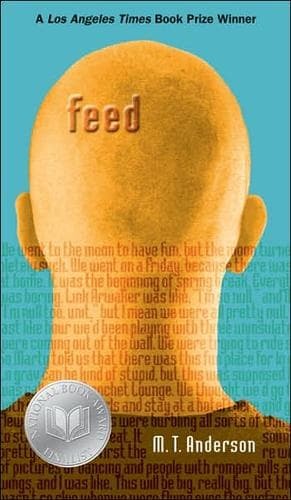
M. T. Anderson
The publisher's blurb names it as a successor to Cormier, and it shares his sharp satire of manipulative systems. Its teenage voice and bleak, unsettling world will feel familiar to readers who admired the book's unflinching tone.
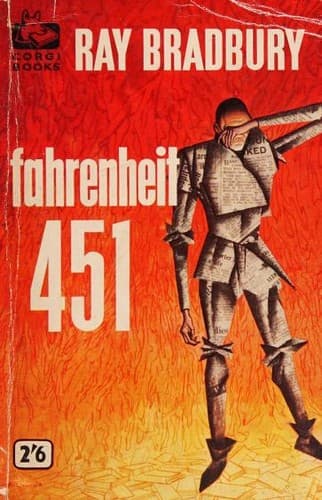
Ray Bradbury
It explores a state that controls what people are allowed to know and remember, a theme central to I Am the Cheese. Its atmosphere of paranoia and suppressed truth makes it a natural next step.

Daniel Keyes
Told through the journal of a man whose memories are shifting, it turns on the danger and grief of remembering. Readers drawn to Cormier's fragmented, memory-haunted narrator will find the same emotional pull.