
The $100 Startup
Chris Guillebeau
Like Ferriss's muse chapters, it profiles ordinary people who launched small, profitable businesses with little money, giving step-by-step guidance for turning a skill into freedom-funding income.
Reader-supported: when you buy through links on our site, we may earn an affiliate commission. Learn more
12 books to read next
If you loved The 4-hour Workweek by Timothy Ferriss
Readers love The 4-Hour Workweek for its contrarian challenge to the deferred-life plan of working until retirement. Ferriss mixes bold lifestyle design with concrete tactics: eliminating low-value work, automating income through small online businesses, negotiating remote work and taking mini-retirements abroad. The tone is brash, energetic and experimental, full of case studies, scripts and tools. People come away wanting more freedom, less busywork and a practical plan for building a life around time and mobility rather than a job title.
Chris Guillebeau
Like Ferriss's muse chapters, it profiles ordinary people who launched small, profitable businesses with little money, giving step-by-step guidance for turning a skill into freedom-funding income.
Eric Ries
If you liked Ferriss's advice to test product ideas cheaply before committing, Ries expands that into a full method of rapid experiments, minimum viable products and learning from real customers.
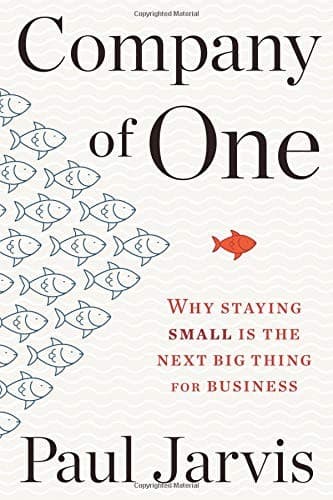
Paul Jarvis
Shares Ferriss's skepticism of growth for its own sake, arguing for staying small, automated and profitable so your business serves your life instead of consuming it.
Greg McKeown
Takes the 4-Hour Workweek's elimination principle and makes it a philosophy: ruthlessly cutting nonessential commitments so your energy goes to the few things that matter most.
Gary Keller, Jay Papasan
Echoes Ferriss's use of the Pareto principle, pushing you to identify the single highest-leverage task each day and protect time for it above everything else.
Cal Newport
Fans of Ferriss's low-information diet and batching email will appreciate Newport's case for distraction-free focus and his concrete rules for reclaiming attention from shallow busywork.
Robert T. Kiyosaki
Like Ferriss, Kiyosaki questions the conventional career path and urges building assets that generate income so you aren't trading hours for a paycheck forever.
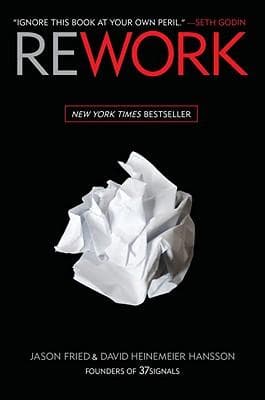
Jason Fried, David Heinemeier Hansson
Short, punchy and contrarian in the Ferriss style, it dismantles workplace dogma about meetings, long hours and planning, championing remote work and doing more with less.
Vicki Robin, Joe Dominguez
Complements Ferriss's dreamlining exercise by calculating what your lifestyle really costs in life energy, helping you buy back time and reach financial independence sooner.
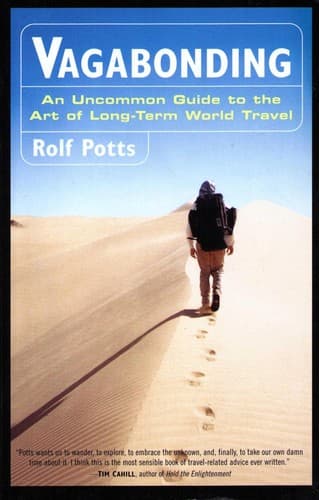
Rolf Potts
Ferriss himself draws on this guide to long-term travel; it shows how extended trips abroad are cheaper and more achievable than most people assume, perfect for planning mini-retirements.
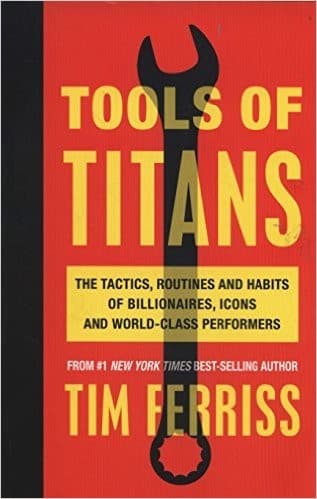
Timothy Ferriss
Ferriss's later collection gathers habits, routines and tactics from hundreds of high performers he interviewed, offering the same experimental, dip-in-anywhere toolkit feel.
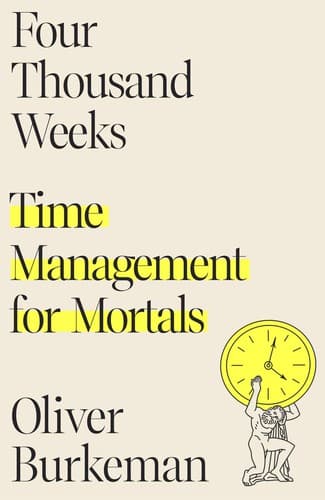
Oliver Burkeman
A thoughtful counterpoint for Ferriss fans: it accepts life's finitude and argues that real freedom comes from choosing what to neglect rather than optimizing endlessly.
We earn a commission if you buy through these links. Learn more