
We earn a commission if you buy through these links. Learn more
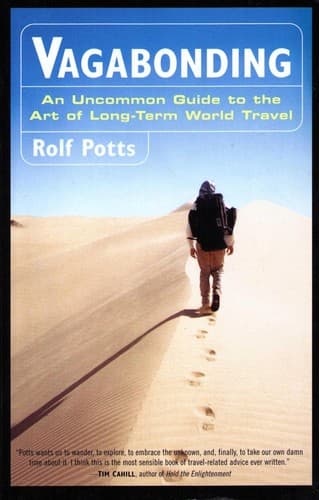
Vagabonding
by Rolf Potts
Guide by the Books of the Day editors · Updated · How we write our guides
Potts makes a practical, encouraging case that long-term independent travel is possible on a modest budget, and that moving slowly changes how you see both the places you visit and home.
What Creators Say About Vagabonding
2 creators reviewed Vagabonding on YouTube between 2015 and 2018, with 1.7K views between them. Their opinions are their own; we picked these reviews, we didn't write them.
What It's About
Vagabonding is Rolf Potts's case for long-term independent travel as something an ordinary person can build a stretch of life around, not a once-in-a-lifetime trip squeezed between jobs. Potts treats extended travel as a deliberate choice that involves saving money, stepping away from a career for a while, and accepting that a year or more on the road will change how you see home. He is less interested in sights than in the texture of moving slowly: staying in one neighborhood long enough to learn its routines, relying on cheap lodging and local transport, and talking to people who are not paid to talk to tourists.
The tone is that of an experienced friend who has been there and wants to talk you out of the fantasy version. The book blends practical advice on budgeting, logistics, and finding ways to earn money abroad with a more reflective argument about what travel is for. Potts draws on a long tradition of wanderers and writers to frame the vagabond as a figure of curiosity and self-reliance rather than escape. The chapters follow loose themes rather than a step-by-step manual, so it reads more like an extended essay than a checklist.
The experience is unhurried and encouraging. You finish with a clearer sense of whether long-term travel fits your finances, temperament, and obligations, and a stronger belief that it does not require wealth. It works best as a motivator and a framework; for current visa rules, prices, and tools, you will need to check other sources.
Read this if you…
- are seriously considering a long trip of several months or more and want to know whether it is realistic
- feel stuck in routine and want a grounded argument for stepping away from it
- prefer reflective, essay-style travel writing to a practical handbook
Skip it if you…
- want current prices, visa rules, or booking tools, since the logistics are dated
- are looking for destination guides, itineraries, or detailed city recommendations
Key Ideas
- 1
Travel as a way of life
Potts argues that a long trip can be a chosen lifestyle rather than a break from real life. The book pushes readers to see extended travel as something they can plan, fund, and sustain, with a beginning, a middle, and a deliberate return. This reframing is the core of the book and the reason it is more than a budget travel guide.
- 2
Slowness as the point
A recurring idea is that depth comes from staying put. Living in one place for weeks or months lets you learn local rhythms, form routines, and notice things a rushed itinerary misses. Potts presents slow travel as a practice of attention rather than a cost-cutting measure, though the two often overlap in his advice.
- 3
Money shapes the experience
Potts treats frugality not as deprivation but as a way to extend a trip and open up more freedom. He discusses saving before departure, spending little on the road, and in some cases earning income while abroad. The advice is grounded in the idea that limited money pushes travelers toward more local, more self-directed encounters.
- 4
Independence over organized tours
The book favors self-directed travel that leaves room for chance. Potts encourages readers to skip packaged tours, improvise routes, and seek out ordinary people and ordinary places. The message is less about rejecting structure entirely than about keeping enough open space that the trip can surprise you.
- 5
Coming home changes you
Potts gives attention to the return, which many travel books skip. He suggests that a long trip alters your priorities, your sense of home, and your relationship to work and possessions. Thinking through reentry before you leave is presented as part of responsible long-term travel, not an afterthought.
Limitations
The book was first published in 2002, so specific costs, visa regulations, internet access, and booking methods are out of date and should be checked elsewhere. Potts writes mostly from the perspective of a traveler with a passport that opens many doors, and the discussion of working abroad and border hassles reflects that. Some readers find the tone self-assured or the freedom it describes romanticized, and the book gives little attention to the environmental cost of frequent long-haul flights or to the financial risks of leaving a career.
Questions Readers Ask
- Who is Vagabonding best suited for?
- It suits adults who are thinking about taking a long break from work or home and want an honest, encouraging case for doing so. It is especially useful for people who assume long-term travel requires a large income. Readers who already travel extensively will find less that is new, and those who want current logistics will need to supplement it.
- Is Vagabonding still relevant today?
- The core arguments about slow travel, budgeting, and the value of independence still hold up well. The practical details, such as prices, visa rules, and technology, are dated. Treat the book as a mindset and framework, then verify specifics with current sources before you plan a trip.
- How does it compare to Lonely Planet-style guides?
- Guidebooks tell you where to go and what to see, while Vagabonding is about how to structure a long trip and what it can do to you. It is closer to an essay on travel philosophy than a reference book. Many readers use both, with the guidebook for destinations and Potts for the bigger decision.
- Published
- 2002
- ISBN
- 9780812992182
- Difficulty
- beginner
- Category
- Sabbatical leave
Book details and cover from Google Books.
Ready to read Vagabonding?
Get your copy on Amazon, or listen to it on Audible. We earn a commission if you buy through these links.