
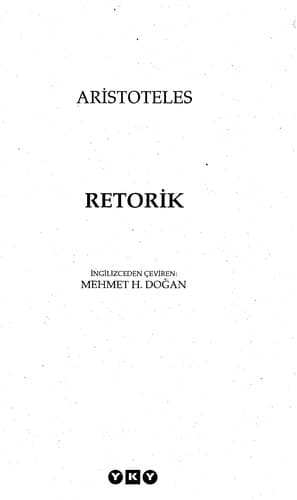
Rhetoric
Aristotle
Heinrichs draws heavily on ancient rhetoric, and this is the original source for many of the appeals he explains. Reading it firsthand shows where his techniques came from and why they still work.
Reader-supported: when you buy through links on our site, we may earn an affiliate commission. Learn more
12 books to read next
If you loved Thank You for Arguing by Jay Heinrichs
Readers who love Thank You for Arguing usually enjoy its mix of ancient rhetoric and everyday persuasion tactics, delivered in a playful, conversational voice. They like how Jay Heinrichs names specific techniques, from classical Greek and Roman strategies to modern pop-culture examples, so each one is easy to remember and use. The pace is brisk and practical, with short sections focused on winning arguments without losing your temper.
Aristotle
Heinrichs draws heavily on ancient rhetoric, and this is the original source for many of the appeals he explains. Reading it firsthand shows where his techniques came from and why they still work.
Dale Carnegie
Like Thank You for Arguing, it treats persuasion as a practical skill built from concrete, everyday techniques. Its short, example-driven lessons suit readers who want advice they can use right away.
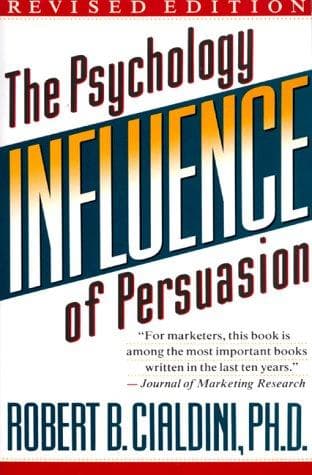
Robert B. Cialdini
Cialdini explains the psychology behind why people say yes, which complements Heinrichs's catalogue of persuasive moves. Fans of his witty, research-backed tone will appreciate the same clear structure.
Chris Voss, Tahl Raz
Written by a former FBI negotiator, it offers hands-on techniques for influencing others under pressure. It matches the book's focus on getting your way through calm, deliberate communication.
Deborah Tannen
Tannen shows how conversational style shapes arguments and misunderstandings, a theme Heinrichs explores through his language-focused approach. Readers curious about why disputes escalate will find it illuminating.
Daniel Kahneman
Kahneman explains the mental shortcuts that make people persuadable, which helps readers see why the techniques in Thank You for Arguing work. It rewards readers who enjoy understanding the mechanics behind a good point.
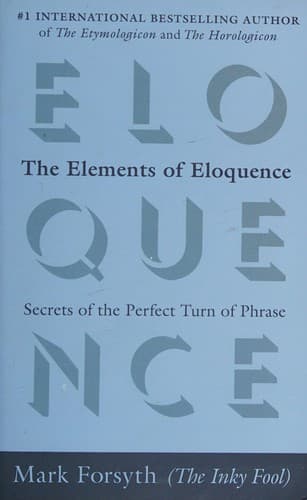
Mark Forsyth
Forsyth catalogues classical figures of speech with the same playful enthusiasm Heinrichs brings to paralipsis and chiasmus. It is a natural next step for readers who enjoyed the language-focused chapters.
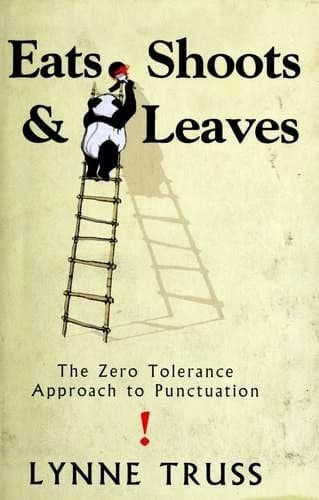
Lynne Truss, FRANK McCOURT
Truss's witty, opinionated style makes grammar entertaining, much as Heinrichs makes rhetoric fun. Readers who enjoy his sharp asides about language will find the same pleasure here.
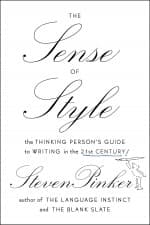
Steven Pinker, José C. Vales
Pinker explains how clear writing and good sentence construction shape how readers respond to an argument. It pairs well with Heinrichs's advice on word choice and phrasing for persuasion.
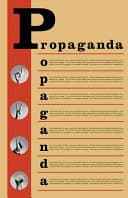
Edward L. Bernays
Bernays, a pioneer of public relations, lays out how audiences are moved by appeals to emotion and group identity. Readers who liked Heinrichs's look at politicians' coded language will find it a revealing companion.
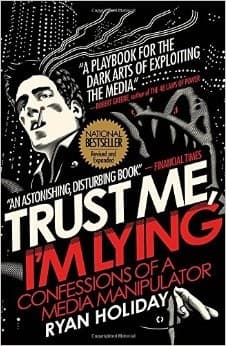
Ryan Holiday
Holiday exposes how media and online persuasion exploit attention and outrage, echoing Heinrichs's interest in popular-culture dodges. It suits readers who want to spot manipulation as well as use persuasion themselves.
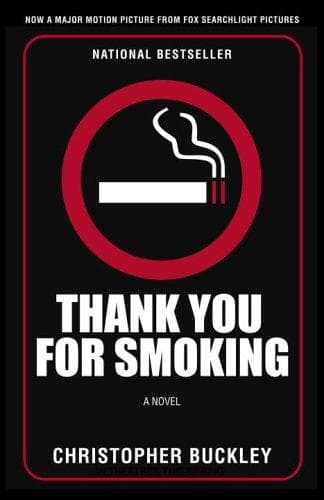
Christopher Buckley
This satirical novel follows a tobacco lobbyist who argues every side with wit and nerve, sharing the book's playful take on persuasion. Readers who enjoy clever, morally slippery arguments will find it fun.
We earn a commission if you buy through these links. Learn more