
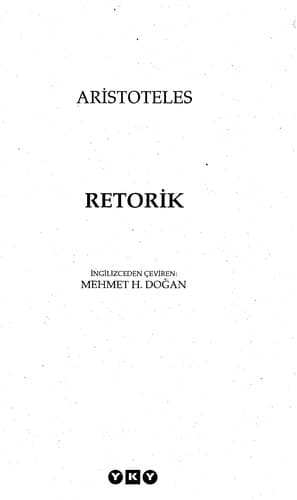
Rhetoric
Aristotle
Heinrichs draws heavily on ancient rhetoric, and this is the original source for many of the appeals he explains. Reading it firsthand shows where his techniques came from and why they still work.
Reader-supported: when you buy through links on our site, we may earn an affiliate commission. Learn more
We earn a commission if you buy through these links. Learn more
Find Similar BooksA playful, practical tour of classical rhetoric that helps you argue better in everyday disputes and spot manipulative tactics when others use them on you.
Thank You for Arguing is a popular introduction to rhetoric, the ancient craft of persuasion, written for people who have never read Aristotle or Cicero and have no interest in becoming classicists. Jay Heinrichs takes the old toolkit, drawn from Greek and Roman handbooks, and translates it into terms a modern reader can use at a meeting, in a negotiation, or at the kitchen table. The tone is chatty and self-aware. Heinrichs jokes, tells stories about famous speakers, and keeps returning to the question of when a clever move becomes a cheap one.
Much of the book is practical. Heinrichs names specific devices, explains what each does to an audience, and gives you a way to recognize them in the wild. The examples range from classical orators to politicians and popular culture, which keeps the material lively but also dates some of it. Reading the book feels less like studying a textbook and more like sitting in on a sharp, opinionated seminar led by a friend who loves wordplay.
Expect a book built around tactics rather than a sustained argument. Each section gives you a tool and a demonstration, so the experience rewards readers who try the ideas out in real conversations rather than reading straight through in one sitting. It works well as a quick, enjoyable primer, though it is not a deep history of rhetoric or a manual for rigorous logic.
The book builds on the classic trio of appeals: ethos, which is why the audience should trust you; pathos, which is how they feel about the issue; and logos, which is the reasons you offer. Heinrichs argues that most people overweight logic and underweight the other two, and that a case with good reasons often loses to one where the speaker seems credible and the listener feels something. Practical advice follows from this framing.
Before you can win an argument, you need to know what kind of dispute you are in: whether it turns on facts, on the meaning of a word, on whether something is good or bad, or on what should be done. Heinrichs draws on the classical idea of stasis, a way of locating the exact point of conflict. Many arguments go nowhere because the two sides are answering different questions.
Heinrichs treats rhetorical figures, such as chiasmus, which reverses parallel phrases, and paralipsis, which draws attention by pretending to pass something over, as working parts rather than classroom decoration. The point is less the names than the effect: patterned language is easier to remember and feels more convincing. He shows how to notice these devices in speeches and ads so you can respond to them instead of being carried along.
Because the same tools that help you persuade can be used on you, the book spends real time on recognizing tactics like flattery used as a setup, selective framing, and feigned plainness. Heinrichs's aim is partly defensive: a reader who can name a move is less likely to be swayed by it without noticing. The ethics of these tactics get some serious attention, though without a long philosophical detour.
Some examples feel dated, since the popular-culture references and political episodes reflect the period when the book was written, and part of its humor depends on that moment. Critics also argue that a book focused on tactics can slide into teaching manipulation rather than honest persuasion, though Heinrichs frames many techniques with ethical caveats. It is a survey, so readers wanting depth on any single device or on the history of the tradition will need further reading. Its treatment of ancient sources is accessible rather than scholarly.
Reviews from readers on YouTube. Their opinions are their own.
Book details and cover from Google Books.
Ready to read Thank You for Arguing?
Get your copy on Amazon, or listen to it on Audible. We earn a commission if you buy through these links.
Aristotle
Heinrichs draws heavily on ancient rhetoric, and this is the original source for many of the appeals he explains. Reading it firsthand shows where his techniques came from and why they still work.
Dale Carnegie
Like Thank You for Arguing, it treats persuasion as a practical skill built from concrete, everyday techniques. Its short, example-driven lessons suit readers who want advice they can use right away.
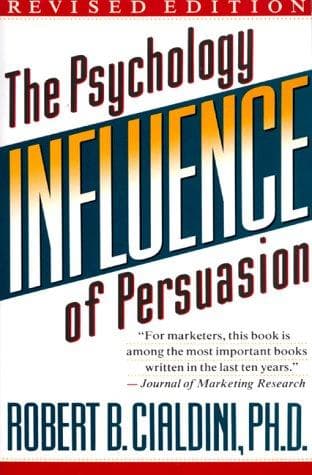
Robert B. Cialdini
Cialdini explains the psychology behind why people say yes, which complements Heinrichs's catalogue of persuasive moves. Fans of his witty, research-backed tone will appreciate the same clear structure.
Chris Voss, Tahl Raz
Written by a former FBI negotiator, it offers hands-on techniques for influencing others under pressure. It matches the book's focus on getting your way through calm, deliberate communication.