
Things I've Been Silent About
Azar Nafisi
Nafisi's own follow-up memoir turns from her classroom to her family, tracing her complicated mother and political father against decades of Iranian history.
Reader-supported: when you buy through links on our site, we may earn an affiliate commission. Learn more
11 books to read next
If you loved Reading Lolita in Tehran by Azar Nafisi
Readers love Reading Lolita in Tehran for its double portrait: a defiant reading group meeting in secret, and a close reading of Nabokov, Fitzgerald, James and Austen that shows how fiction becomes a form of freedom. Nafisi blends memoir of life under the Islamic Republic with literary criticism, giving equal weight to her students' private struggles and the books they discuss. It is reflective rather than fast-paced, intimate, and quietly furious about censorship and the control of women's lives.
Azar Nafisi
Nafisi's own follow-up memoir turns from her classroom to her family, tracing her complicated mother and political father against decades of Iranian history.
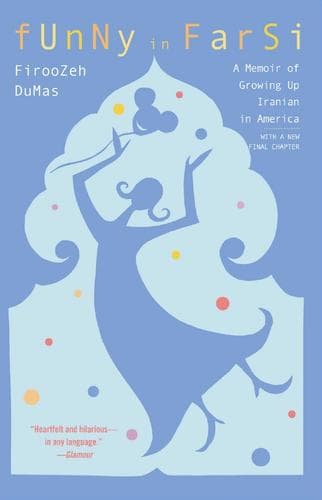
Firoozeh Dumas
A warmer, humorous counterpoint: an Iranian girl's family adjusting to life in California, offering a lighter view of the culture and diaspora Nafisi writes about.
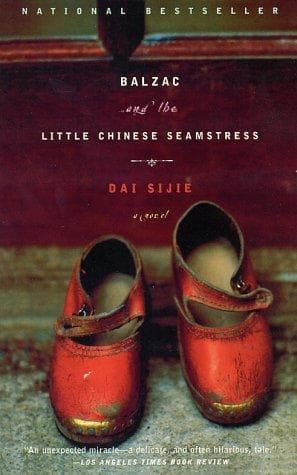
Dai Sijie
Two boys in Mao's re-education camp discover a hidden suitcase of forbidden Western novels, echoing Nafisi's theme of banned literature as escape and awakening.
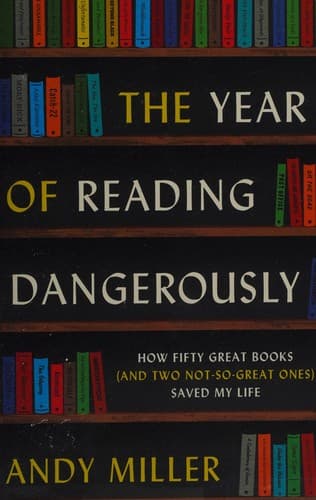
Andy Miller
A lighter, personal account of reading classic books and how they reshape a life, appealing to readers who loved Nafisi's devotion to great novels.
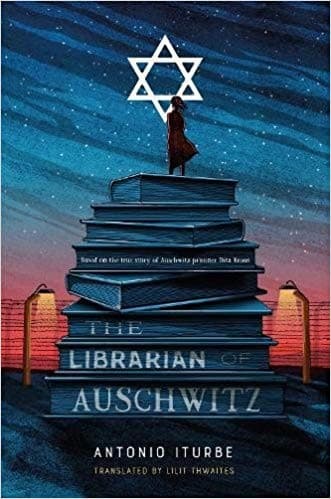
Salva Rubio, Antonio Iturbe
Based on a real girl who guarded a handful of forbidden books in a death camp, it shares Nafisi's conviction that stories matter most when they are dangerous to own.
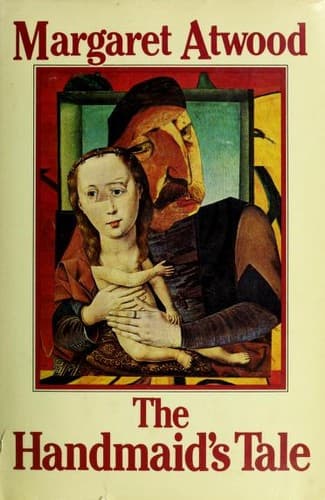
Margaret Atwood
Atwood's novel of a theocracy controlling women's bodies and clothing resonates strongly with the veiling laws and surveillance Nafisi's students describe.
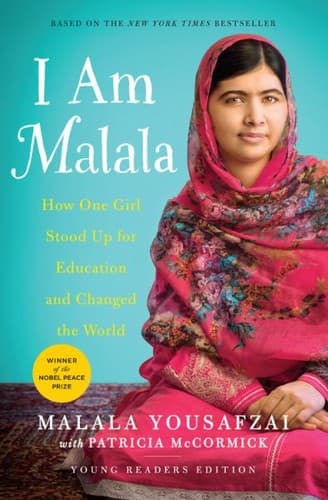
Malala Yousafzai, Christina Lamb
A young woman's memoir of fighting for girls' education under the Taliban, sharing Nafisi's focus on learning as resistance for women.
Khaled Hosseini
Two Afghan women endure decades of war and oppressive rule; readers moved by Nafisi's students' private lives will find similar resilience and friendship here.

Vladimir Nabokov
The novel at the heart of Nafisi's memoir, which she reads as a story of one person confiscating another's life; worth reading to follow her argument fully.

F. Scott Fitzgerald
The subject of Nafisi's famous classroom trial chapter; reading it lets you join the debate her students had about dreams, morality and America.
Jane Austen
Nafisi celebrates Austen's heroines who insist on choosing for themselves, a quietly radical idea her students prized; the novel rewards rereading through her eyes.
We earn a commission if you buy through these links. Learn more