
We earn a commission if you buy through these links. Learn more
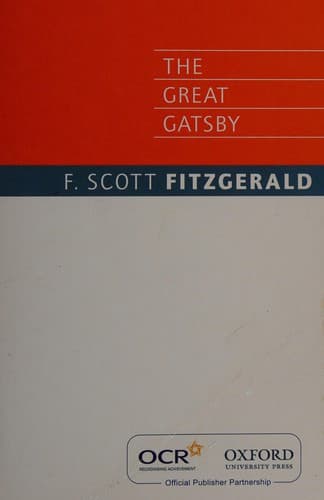
The Great Gatsby
On screen: The Great Gatsby (film, 2013)
Guide by the Books of the Day editors · Updated · How we write our guides
Nick Carraway watches his mysterious neighbor Gatsby throw lavish Long Island parties while chasing a lost love. Is this 1925 classic worth your time?
What Creators Say About The Great Gatsby
2 creators reviewed The Great Gatsby on YouTube between 2018 and 2022, with 850.8K views between them. Their opinions are their own; we picked these reviews, we didn't write them.
What It's About
The Great Gatsby is narrated by Nick Carraway, a young Midwesterner who moves to New York in the summer of 1922 and rents a small house on Long Island's North Shore, next door to a man whose parties have become famous. Nick is less a hero than a witness, and much of the book is about watching other people: a wealthy couple across the bay, a bootlegger next door, and the restless figures who drift between their worlds. Fitzgerald sets the story in the Jazz Age, and its glitter is real, but the novel is more interested in what lies beneath it.
The prose is the main reason people still read it. Fitzgerald writes in rich, deliberate sentences with images that linger, and the book rewards slow reading more than speed. The plot is spare, so much of its meaning comes from tone, from what Nick notices, and from what he chooses not to say about his own judgments. Expect a short book that is dense with suggestion.
Reading it feels less like following a mystery than like sitting in a room where people slowly reveal themselves. The mood moves between dazzle and melancholy, and the novel ends up feeling far bigger than its length would suggest. It is a book to savor, and it tends to stay with you as a mood more than as a plot summary.
Read this if you…
- Want a short classic where the language matters as much as the story
- Are interested in class, money, and the gap between image and reality
- Enjoy narrators who watch and judge more than they act
Skip it if you…
- Need a fast plot with clear action and resolution in every chapter
- Want a warm, character-driven story where the central figures are easy to root for
Key Ideas
- 1
The self-made dream and its hollow center
The novel examines the American promise that anyone can remake themselves. Its central figure invents an elaborate past and a new identity to win what he wants, and the book asks whether that reinvention can ever be more than a costume. It treats ambition with real sympathy while also showing how much it costs.
- 2
Nostalgia for a past that cannot return
Much of the emotional force comes from longing for something that has already changed. The characters live partly in memory, and the book questions whether returning to a lost moment is possible or whether the attempt itself distorts what was once real. Time and its erosion run beneath almost every scene.
- 3
Wealth as glamour and moral carelessness
Fitzgerald shows money as both enchanting and insulating. Those who have it often avoid responsibility for the damage they cause, and the novel portrays their privilege with a cool clarity. The contrast between the shining parties and the gray industrial landscape near the valley gives the book much of its social bite.
- 4
Nick as a self-aware, unreliable narrator
Nick claims to be tolerant and fair-minded, yet his judgments are selective and sometimes self-serving. Reading the book means noticing the gaps between what he says he sees and what the scenes actually show. This gap is one of the most distinctive features of the storytelling and a reason the novel repays rereading.
- 5
Imagery that rewards rereading
Recurring images such as lights, colors, eyes, and the view across the water carry shifting meanings across the book. Fitzgerald rarely explains them directly. Readers who pay attention to these patterns often find that the novel's emotional logic becomes clearer on a second reading.
Limitations
Many readers find the characters thin, especially the women, whose inner lives get less space than the men's. The prose can feel overwrought to readers who prefer plainer writing, and the novel's view of its wealthy world is narrow, with limited attention to the Black characters and working-class figures who appear on its edges. Because the book is so short, some emotional payoffs depend heavily on suggestion, which not every reader finds satisfying.
Questions Readers Ask
- Is The Great Gatsby still worth reading today?
- Yes. Its themes of class, reinvention, and the distance between public image and private reality remain widely discussed. The book is short, so the time commitment is modest. Readers who value style and atmosphere often find it more rewarding now than they expected, though it helps to read it with an awareness of the social blind spots of its era.
- How does it compare to Tender Is the Night?
- Tender Is the Night is longer, more diffuse, and built around a more complicated central relationship. The Great Gatsby is tighter and more controlled, with a single narrator and a sharper focus. Most readers who want a first Fitzgerald start with Gatsby, then move to the longer novel if they want more of his later, darker themes.
- Published
- 1920
- ISBN
- 9798411966732
- Difficulty
- intermediate
- Category
- Fiction
Book details and cover from Google Books.
Ready to read The Great Gatsby?
Get your copy on Amazon, or listen to it on Audible. We earn a commission if you buy through these links.