
Things I've Been Silent About
Azar Nafisi
Nafisi's own follow-up memoir turns from her classroom to her family, tracing her complicated mother and political father against decades of Iranian history.
Reader-supported: when you buy through links on our site, we may earn an affiliate commission. Learn more
We earn a commission if you buy through these links. Learn more
Find Similar Booksby Azar Nafisi
Guide by the Books of the Day editors · Updated · How we write our guides
A memoir by an English literature teacher who secretly gathered women students to read Western novels in Tehran, weaving her own story together with close, personal literary criticism.
2 creators reviewed Reading Lolita in Tehran on YouTube between 2010 and 2021, with 6.4K views between them. Their opinions are their own; we picked these reviews, we didn't write them.
Reading Lolita in Tehran is part memoir and part literary study. Azar Nafisi recounts her years teaching English literature in Iran after the Islamic Revolution, when the state tightened control over universities, dress, and what could be read. Each week a small group of former students came to her home, away from official eyes, to discuss novels the regime viewed with suspicion.
The book moves back and forth between the classroom and the living room, and between Iran's public life and the private lives of the women in her circle. Nafisi organizes it around a handful of novels, using each one to ask what fiction does for a person who has little freedom. Her discussions of the books are personal rather than academic, and she is willing to admit when a text frustrates her or when her own assumptions are challenged.
Reading it feels like sitting in on a long, emotional conversation. The prose is vivid and quick, and the literary passages are accessible even if you have not read the novels discussed. Expect a mix of anecdote, political history, and reflection, with the emotional weight building as the personal stakes rise.
Nafisi argues that novels give readers a place to imagine lives and choices that official culture discourages. For her students, reading was not an escape from reality but a way of testing their own judgment about right and wrong, and of refusing to accept a single approved version of the world.
The book shows how an authoritarian state uses dress codes, censorship, and campus rules to control what people can think and say. Nafisi describes the daily compromises of teachers and students, and how ordinary acts like wearing a veil or speaking freely carried real consequences.
Much of the memoir looks at the double life many Iranians led, outwardly conforming while keeping a different inner life. The Thursday gatherings are her example of a space where that inner life could be spoken aloud, and where the cost of that honesty was constantly weighed.
Nafisi reads well-known Western books with a sharper sense of their stakes than many readers bring to them. Her interpretations of characters and their choices show how these novels speak to questions of freedom, desire, and self-determination in a very different political setting.
The book has drawn sustained criticism. Some readers and scholars argue that it presents Iran mainly through a Western literary lens, and that it risks casting Iranian women as needing Western books to be free. Others question how much of the memoir is composed or condensed, since Nafisi has acknowledged shaping characters and scenes for the narrative. The book also gives limited space to the wider range of Iranian society and to voices that did not share her views. Its literary readings are personal and sometimes idiosyncratic rather than rigorous.
Book details and cover from Google Books.
Ready to read Reading Lolita in Tehran?
Get your copy on Amazon, or listen to it on Audible. We earn a commission if you buy through these links.
Azar Nafisi
Nafisi's own follow-up memoir turns from her classroom to her family, tracing her complicated mother and political father against decades of Iranian history.
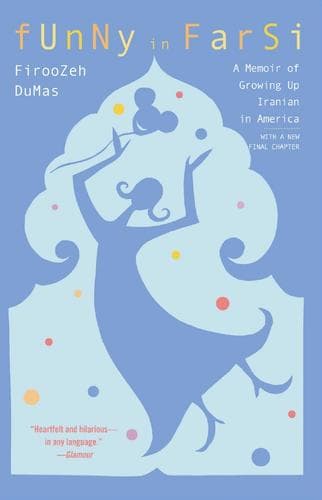
Firoozeh Dumas
A warmer, humorous counterpoint: an Iranian girl's family adjusting to life in California, offering a lighter view of the culture and diaspora Nafisi writes about.
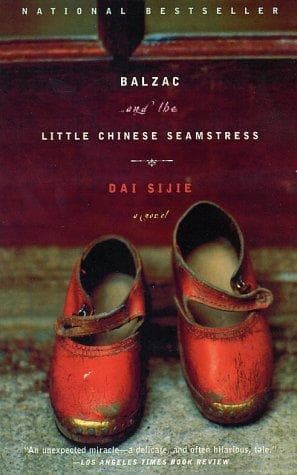
Dai Sijie
Two boys in Mao's re-education camp discover a hidden suitcase of forbidden Western novels, echoing Nafisi's theme of banned literature as escape and awakening.
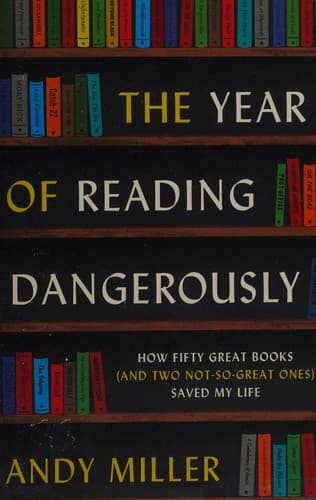
Andy Miller
A lighter, personal account of reading classic books and how they reshape a life, appealing to readers who loved Nafisi's devotion to great novels.