
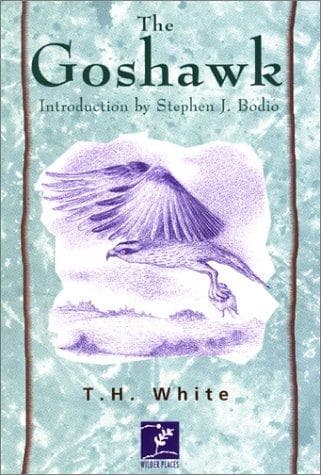
The Goshawk
T. H. White
White's account of his own struggle to train a goshawk is the book Macdonald returns to throughout H Is for Hawk. Reading it alongside her memoir shows how much she shares with him, and how differently they approach the bird.
Reader-supported: when you buy through links on our site, we may earn an affiliate commission. Learn more
12 books to read next
If you loved H Is for Hawk by Helen Macdonald
Readers who love H Is for Hawk usually come for the raw, precise prose and the way Helen Macdonald weaves her own grief into the story of training a wild goshawk. The book moves between close observation of birds and landscape and a sharp, unsentimental account of loss, with a deep literary awareness running underneath. It is slow in places, rich in natural detail, and honest about how hard it is to find comfort. If you want nature writing that is also a personal reckoning, these books share that approach.
T. H. White
White's account of his own struggle to train a goshawk is the book Macdonald returns to throughout H Is for Hawk. Reading it alongside her memoir shows how much she shares with him, and how differently they approach the bird.
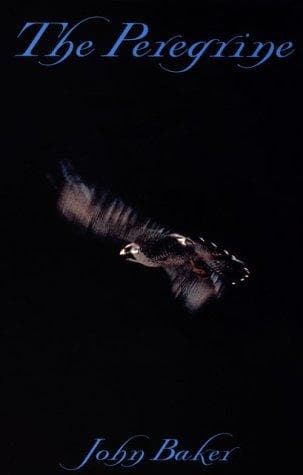
Baker, J. A.
Baker follows peregrine falcons over one winter with obsessive, almost breathless attention. Like Macdonald, he writes about a hunter's intensity and a landscape seen through a bird's eyes, in prose as vivid as hers.
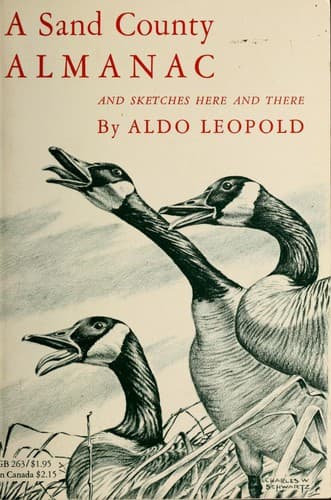
Aldo Leopold
Leopold's essays move through the seasons of one place with the same patient, exact observation that Macdonald brings to her hawk. His sense of the wild as something to be understood on its own terms will feel familiar.
Max Porter
This short, strange novel is about a father and two boys grieving a mother, with a crow arriving in their house. It shares H Is for Hawk's bird-centred way of approaching bereavement without ever becoming a neat lesson.
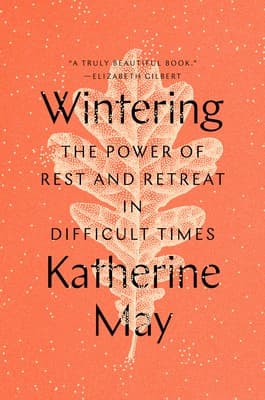
Katherine May
May writes about retreating into quiet and the natural world during a difficult period of life. Readers drawn to Macdonald's honest handling of loss will find a similar gentle, reflective voice that looks for meaning in hard seasons.
Raynor Winn
Winn and her husband lose their home and walk the South West Coast Path, learning to live rough while coping with grief. Like Macdonald, she uses a demanding outdoor task to hold herself together and make sense of a broken life.
Robert Macfarlane, Robin Sachs
Macfarlane walks ancient paths and writes about how landscape holds memory and history. His attention to place and language matches Macdonald's, and his essays reward the same slow, thoughtful reading.
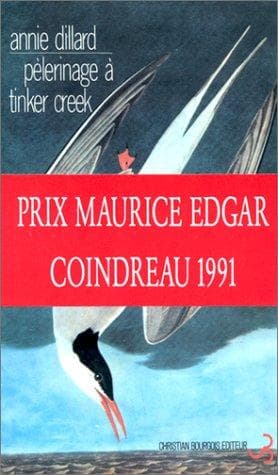
Annie Dillard
Dillard observes one valley in Virginia closely enough to find wonder and cruelty in the same creature. Her dense, lyrical sentences share the intensity and intellectual reach that make H Is for Hawk so absorbing.
Nan Shepherd, Jenny Odell
Shepherd spent decades getting to know the Cairngorm mountains, writing about them with patience and physical closeness. Readers who value Macdonald's attention to the textures of a wild place will find the same devotion here.
Cheryl Strayed
Strayed hikes the Pacific Crest Trail alone to work through a painful period of her life. Her candid memoir of self-reckoning through physical endurance echoes Macdonald's use of a difficult project to face her own grief.
Edmund de Waal
De Waal traces a collection of netsuke carvings back through his family's history, uncovering loss and survival along the way. Like Macdonald, he builds a memoir around a small, beautiful object and a long, patient inquiry.
Tara Westover
Westover writes about growing up in an isolated family and slowly building a life of her own through learning. Readers who were moved by Macdonald's honesty about family and self-making will recognise the same clear-eyed courage.
We earn a commission if you buy through these links. Learn more