
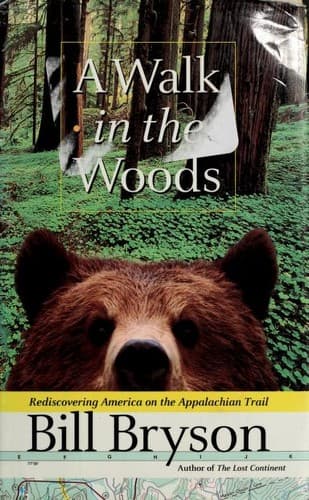
A Walk in the Woods
Bill Bryson
Another underprepared hiker tackling a great American trail, this time the Appalachian. Lighter and funnier than Wild, but with the same blisters, doubts and love of wild places.
Reader-supported: when you buy through links on our site, we may earn an affiliate commission. Learn more
We earn a commission if you buy through these links. Learn more
Find Similar BooksCheryl Strayed's account of walking 1,100 miles alone after losing her mother and her marriage is funny and unsparing about her own mistakes, and worth reading for its honesty about grief.
Wild is a memoir of the stretch in her mid-twenties when Strayed hiked the Pacific Crest Trail alone, starting in the Mojave Desert and walking north through California and Oregon until she reached the Bridge of the Gods on the Oregon-Washington line. The trail is the spine of the book, but it keeps stepping back to the years before it: her mother's death, the scattering of her family, and the marriage and self-destruction that followed. The walk is where those threads get tested.
The structure moves between days on the trail and memories of what led her there, so the tension of the hike is interleaved with the past. Strayed writes in a conversational, frank voice, funny about her own ineptitude and blunt about her worst decisions, including drug use and sexual encounters. Her descriptions of physical hardship are vivid: blisters, hunger, the weight of a too-heavy pack, bad water, and the monotony of the desert.
The reading experience is less a survival adventure than a reckoning. The pace follows the rhythm of walking itself, with long quiet stretches broken by encounters with other hikers and strangers who are often kinder than she expects. Grief works its way out slowly here rather than being explained to the reader.
Strayed treats mourning as a physical, ongoing process rather than a feeling to be resolved. The trail gives her hours each day with nothing to do but move forward, and the book shows how that repetition lets loss surface in ways that talking or thinking never did for her.
The memoir does not pretend her downward spiral was someone else's fault. It examines the choices that made her life fall apart and asks what it takes to become a different person without erasing the one who made those mistakes.
Strayed set out with almost no experience and an overloaded pack, and the book is candid about how much of the hike was improvisation. That gap between courage and competence drives much of the drama and gives the story its sense of real risk.
Past and present alternate so that each trail day recalls an earlier moment that explains it. The effect is that the reader assembles the story gradually, the way Strayed herself came to understand her history during the walk.
Many of the most affecting passages involve other hikers, trail workers, and people she meets briefly on the road. These encounters push back against the isolation of the solo journey and show how dependent even a self-reliant walker is on others.
Some readers find the trail sections less developed than the backstory, and the hiking details will not teach you much about the Pacific Crest Trail itself. Others question how precisely dialogue and sequence can be recalled decades later, as with any memoir built from memory. Strayed's choices, including her risky decisions on the trail, can strike some readers as self-indulgent or as glamorized recklessness. The book also reflects the trail and the mid-1990s world Strayed moved through, so it is a snapshot rather than a current guide.
Reviews from readers on YouTube. Their opinions are their own.
Book details and cover from Google Books.
Ready to read Wild?
Get your copy on Amazon, or listen to it on Audible. We earn a commission if you buy through these links.
Bill Bryson
Another underprepared hiker tackling a great American trail, this time the Appalachian. Lighter and funnier than Wild, but with the same blisters, doubts and love of wild places.
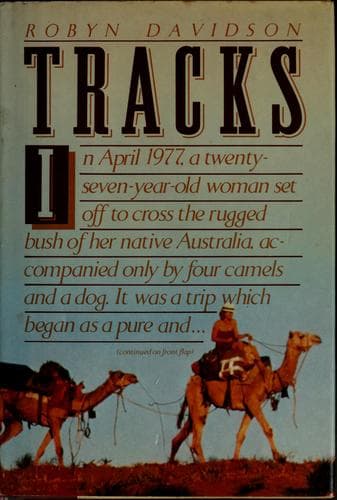
Robyn Davidson
A young woman crosses 1,700 miles of Australian desert with camels, largely alone. Like Strayed, Davidson is blunt, stubborn and searching, and the landscape reshapes her.
Raynor Winn
After losing their home and facing a terminal diagnosis, a couple walks England's South West Coast Path. Readers who loved Wild's walking-as-survival will find it deeply moving.
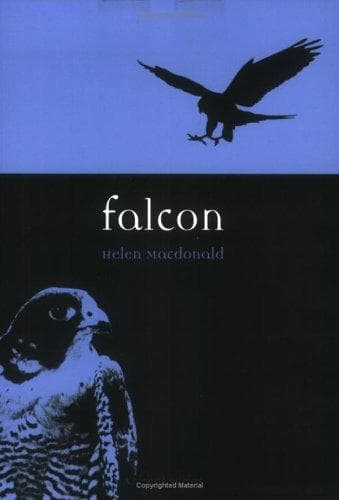
Helen Macdonald
After her father's death, Macdonald trains a goshawk and retreats into the wild. Like Wild, it turns grief into a physical, all-consuming challenge, written with fierce honesty.