
We earn a commission if you buy through these links. Learn more
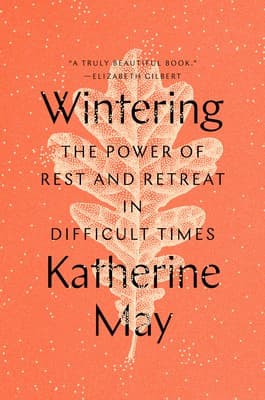
Wintering
A gentle, reflective look at the stretches of life when everything slows or stalls, and why they may matter more than we admit. Best for readers who need permission to rest.
What It's About
Wintering is about the periods of life when energy drains away and nothing seems to move forward: exhaustion, loss, illness, or a lost sense of direction. Katherine May, a British writer, builds the book from her own experience of a hard stretch, and she treats that collapse as something to be understood rather than hurried through or fixed as fast as possible.
The approach blends memoir, nature writing, and reflective essay. She moves between her own story and observations about animals, plants, and the seasons, using the natural world as a way of thinking about dormancy, rest, and the slow work that happens out of sight. The chapters read as connected essays rather than a step-by-step program, so the book rewards a slow, unhurried reading.
The experience is quiet and contemplative. It asks you to consider what your own fallow periods might be for, and it leans toward permission rather than productivity. Expect lyrical passages and a steady, personal tone more than a tightly argued case or a set of practical tools.
Read this if you…
- are going through an exhausting or fallow period and want a compassionate frame for it
- find nature writing and personal essays calming and reflective
- feel guilty about slowing down and want to think about why
Skip it if you…
- want a practical, step-by-step plan for recovering energy or productivity
- are dealing with clinical depression or another condition that needs professional treatment rather than reflection alone
Key Ideas
- 1
Fallow periods can have a purpose
May argues that times of withdrawal and low output are not simply wasted time. She suggests they can be a necessary phase in which people recover, reassess, and gather strength, much as land or living things need dormant periods before they can grow again.
- 2
Rest is not the same as failure
A central thread is the guilt many people feel when they cannot keep up. The book challenges the idea that a person's worth depends on constant output, and it encourages readers to see a depleted period as a legitimate state rather than a personal shortcoming to be hidden.
- 3
Nature as a model for slow recovery
Through observations of the seasons and wildlife, May uses natural cycles as a frame for thinking about change that happens below the surface. These images make the idea of dormancy feel concrete and less like an abstract excuse for doing nothing.
- 4
Learning to be still without guilt
The book is less interested in tactics for getting back on track than in how to endure a difficult season with some grace. Its value lies in helping readers stop fighting the fallow time and instead accept it as part of a longer rhythm of life.
Limitations
Some readers find the book more lyrical than substantive, with its insights resting on imagery and personal feeling rather than hard evidence or structured argument. Its focus on a relatively privileged experience of withdrawal can feel narrow to people facing financial pressure, caregiving demands, or systemic barriers to rest. The book is not a clinical guide, and its emphasis on accepting winter may sit uneasily with those who need active treatment. Because it is built on personal essays, its advice is general and may feel vague to readers looking for concrete solutions.
Questions Readers Ask
- Who is Wintering best suited for?
- It suits readers going through a draining or uncertain period who want something gentle and thoughtful to read. It also appeals to people who enjoy nature writing and personal essays. If you want clear instructions or a structured self-help program, you will likely find it too loose and reflective.
- Is Wintering a self-help book?
- It is not a traditional self-help book, though it shares some of that territory. May writes from personal experience and reflection rather than offering a method. Readers who want actionable steps may find it frustrating, while those open to contemplation often find it comforting and useful.
- Published
- 2020
- ISBN
- 9781846045998
- Difficulty
- beginner
- Category
- Psychology
Book details and cover from Google Books.
Ready to read Wintering?
Get your copy on Amazon, or listen to it on Audible. We earn a commission if you buy through these links.