
Wild
Cheryl Strayed
Like Raynor Winn, Cheryl Strayed walks a long, punishing trail while grieving a loss. Her account of hardship and slow self-repair mirrors the emotional arc that makes The Salt Path so affecting.
Reader-supported: when you buy through links on our site, we may earn an affiliate commission. Learn more
We earn a commission if you buy through these links. Learn more
Find Similar Booksby Raynor Winn
Guide by the Books of the Day editors · Updated · How we write our guides
A raw, unhurried memoir of a couple walking the South West Coast Path after losing their home and facing a terminal diagnosis, and what it shows about home.
2 creators reviewed The Salt Path on YouTube between 2018 and 2025, with 875.4K views between them. Their opinions are their own; we picked these reviews, we didn't write them.
The Salt Path is a memoir about a couple who, after a sudden financial collapse and a frightening medical diagnosis for one of them, decide to walk the South West Coast Path. It is not a guidebook or a hiking manual, and the miles are a backdrop for a more private story about grief, marriage and what a home actually is. Winn writes in the first person, in short plain sentences that mirror the rhythm of walking.
The prose is spare and observant rather than showy. Much of the emotional weight comes from what is left unsaid: the day-to-day logistics of carrying a tent and food, the money running out, the bodily wear of long days on exposed cliffs. Landscape passages are vivid without being purple, and the coast is treated as a companion that can be hostile as easily as it can be consoling. Expect plenty of weather, blisters and small kindnesses from strangers.
Reading it is an unhurried, often tender experience, with the sharp edges coming from the couple's precarious situation rather than from any dramatic plot. It works best as a book to be read in a few long sittings, and it leaves you thinking about how little it takes for a settled life to come apart. Some passages are heavy, so it is not a light holiday read even though its tone is hopeful.
The book keeps asking what a home is when the house is gone. Without a fixed address, the couple find that their sense of security depends on their relationship, routines and the few objects they can carry. Winn treats home less as a building than as a set of habits and people, and the idea shifts as their circumstances change.
The walk is not presented as a cure. It gives the couple a daily structure, a purpose, and physical exhaustion that makes emotional pain bearable in small doses. Winn is candid that the path does not fix Moth's illness or the fear around it, but it changes how the couple face each day, one stage at a time.
The coast is neither a backdrop nor a sentimental symbol. Weather, cold, and exposure are real threats, and the landscape is at times punishing. Winn's attention to cliffs, sea, and sky shows how the same environment can feel both hostile and restorative, which gives the nature writing more honesty than many books of its kind.
Much of the book concerns the pride and shame that come with losing a home and income. The couple's decisions about money, asking for help, and accepting kindness from strangers reveal how fragile social status is. The memoir makes a case for seeing homelessness and loss as conditions that can happen to ordinary people.
Some readers find the emotional register relentless, and others question how closely the memoir's account of money, housing and the couple's circumstances matches events. It is one personal perspective, and that account has been debated. The book is not a practical guide and says little about the logistics of planning a trek, nor does it explore the illness in clinical depth. Readers may also note that the couple's experience, with its supportive friends and wide sympathy, is not typical of homelessness, and the book does not claim to be a guide to it.
Book details and cover from Google Books.
Ready to read The Salt Path?
Get your copy on Amazon, or listen to it on Audible. We earn a commission if you buy through these links.
Cheryl Strayed
Like Raynor Winn, Cheryl Strayed walks a long, punishing trail while grieving a loss. Her account of hardship and slow self-repair mirrors the emotional arc that makes The Salt Path so affecting.
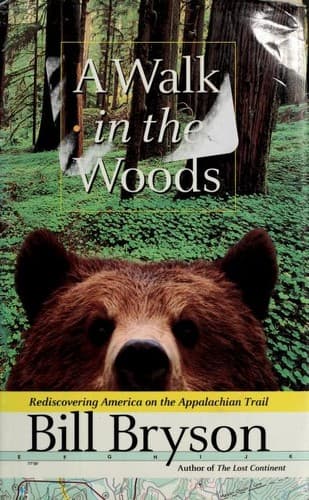
Bill Bryson
Bryson's account of hiking the Appalachian Trail offers the same mix of physical struggle, odd encounters and quiet reflection on the land. It is a lighter read, but it shares The Salt Path's sense of a walk changing the walker.
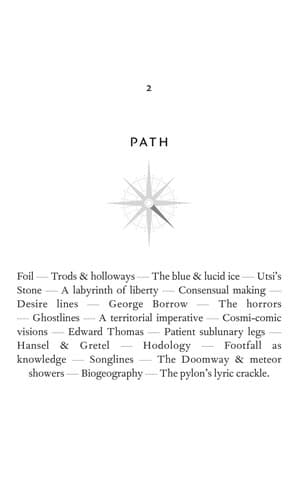
Robert Macfarlane, Robin Sachs
Macfarlane follows ancient paths on foot and reflects on how walking connects people to landscape and history. Readers who valued the way The Salt Path treats the trail as a place of meaning will find much the same attentiveness here.
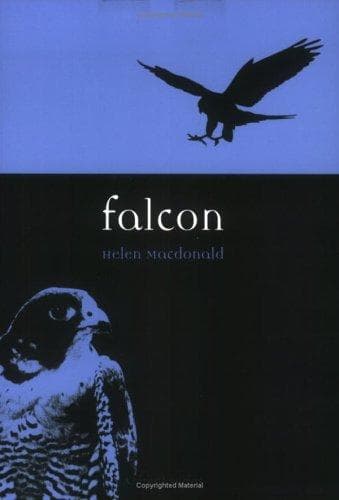
Helen Macdonald
After a devastating loss, Helen Macdonald turns to training a goshawk and finds solace in the wild. Her grief and her turn to nature echo the emotional core of The Salt Path.