John C. Bogle
Bogle founded Vanguard and makes the same core case as Collins: low-cost index funds beat most expensive active management. Like The Simple Path to Wealth, it is short, direct and free of jargon.
Reader-supported: when you buy through links on our site, we may earn an affiliate commission. Learn more
12 books to read next
If you loved The Simple Path to Wealth by J. Collins
The Simple Path to Wealth, by J.L. Collins, is loved for its plain, conversational voice and its insistence that financial independence comes from a few simple habits: spend less than you earn, invest steadily in low-cost index funds, and stay the course. Readers value its personal tone, drawn from letters to his daughter, and its refusal to sell complicated products or hype. The pace is unhurried and the advice is practical rather than academic.
John C. Bogle
Bogle founded Vanguard and makes the same core case as Collins: low-cost index funds beat most expensive active management. Like The Simple Path to Wealth, it is short, direct and free of jargon.
Burton Gordon Malkiel
Malkiel explains why trying to beat the market is so hard and why broad index funds are a sound default. Readers who appreciated Collins's skepticism toward stock-picking will find the same logic argued in more depth.
William J. Bernstein
Bernstein covers the theory, history and psychology behind a diversified portfolio in clear language. It suits readers who liked Collins's approach and want a more thorough grounding in why it works.
Morgan Housel
Housel uses short, story-driven chapters to show how behaviour matters more than technical knowledge. Fans of Collins's personal, reflective tone will appreciate how it treats greed, patience and luck.
Vicki Robin, Joe Dominguez
Robin and co-author Joe Dominguez treat money as life energy and encourage readers to examine what they really value. It shares Collins's focus on spending consciously and building independence over status.
George S. Clason
Clason's parables about saving a share of every income and making money work for you are brief and memorable. Readers who liked Collins's down-to-earth lessons will enjoy this classic's simple, timeless wisdom.
Dave Ramsey
Ramsey lays out a step-by-step plan for getting out of debt, building an emergency fund and then investing. It gives the disciplined, no-nonsense action plan that many readers of Collins want next.

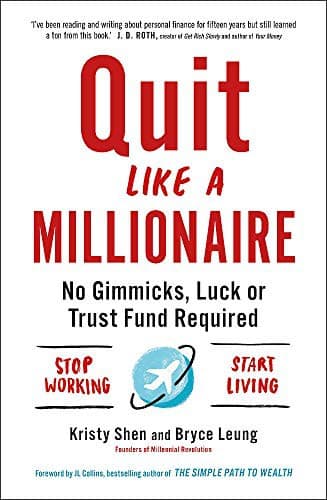
Kristy Shen, Bryce Leung
The Canadian authors describe how they reached financial independence early and how they manage spending and investing. Readers who liked Collins's frugal, practical approach will find a similar roadmap with fresh examples.

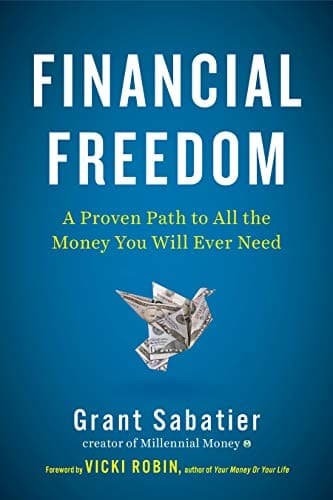
Grant Sabatier
Sabatier shares how he built multiple income streams and cut spending to reach financial independence. Like Collins, he writes from personal experience and focuses on practical habits anyone can start.

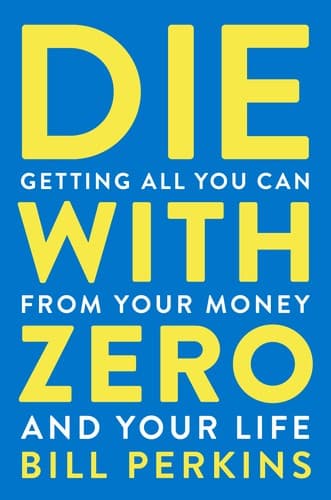
Bill Perkins
Perkins argues that money should be spent on experiences while you can enjoy them, which extends the question of what wealth is for. Readers who valued Collins's focus on life goals will find this a provocative companion.
Thomas J. Stanley, William D. Danko
The authors study how ordinary households build wealth through frugality and steady saving rather than visible spending. It backs up the habits Collins describes with decades of research on real families.
Ramit Sethi
Sethi offers a structured, automated system for saving, investing and spending on what you love. It suits readers who enjoyed Collins's practical advice and want a more detailed, step-by-step plan.
We earn a commission if you buy through these links. Learn more