Burton Gordon Malkiel
Like Bernstein, Malkiel argues from market history that low-cost, diversified index investing beats most active strategies. Its clear case for simplicity will feel familiar to Four Pillars readers.
Reader-supported: when you buy through links on our site, we may earn an affiliate commission. Learn more
12 books to read next
If you loved The Four Pillars of Investing by William J. Bernstein
Readers who love The Four Pillars of Investing usually want calm, practical guidance on building a portfolio without an adviser. They value Bernstein's plain, nonthreatening tone, his use of market history to explain why the basics work, and his focus on risk tolerance and staying the course. The book rewards patience, and it suits people who want to understand their investments rather than chase tips. The picks below share that mix of evidence, common sense, and self-reliance.
Burton Gordon Malkiel
Like Bernstein, Malkiel argues from market history that low-cost, diversified index investing beats most active strategies. Its clear case for simplicity will feel familiar to Four Pillars readers.

John C. Bogle
Bogle, founder of Vanguard, makes the case for low-cost index funds in short, direct chapters. Readers who appreciated Bernstein's emphasis on costs and discipline will find the same logic here.
JL Collins
Collins lays out a plain plan of index funds, savings, and steady investing in an easygoing voice. It suits readers who liked Bernstein's relaxed style and his focus on building a sound foundation.

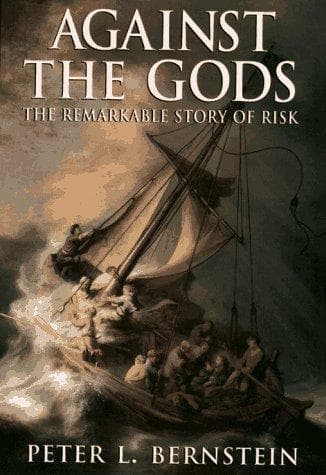
Peter L. Bernstein
This history of risk and probability traces how people learned to measure uncertainty and make investment decisions. Readers who enjoyed the market history in Four Pillars will appreciate its scope and clarity.

Robert J. Shiller
Shiller examines bubbles and how investor psychology drives prices over time. It expands on the behavioral side of Bernstein's book and explains why discipline matters during booms and crashes.

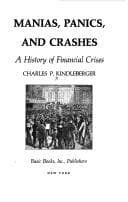
Charles Poor Kindleberger, Robert Aliber
Kindleberger surveys centuries of financial bubbles and crises with historical examples. Readers drawn to the market lessons in Four Pillars will find a richer account of how investors repeat their mistakes.
Jason Zweig
Zweig, a long-time financial journalist, explains how brain biases push investors toward costly decisions. It complements Bernstein's behavioral finance and helps readers recognise their own impulses.
Morgan Housel
Housel uses short stories to show how behaviour, not just knowledge, shapes financial outcomes. Readers who valued Bernstein's focus on self-sufficiency and sound judgement will find it approachable.
Daniel Kahneman
Kahneman, a Nobel laureate, explains the mental shortcuts behind many financial errors. It offers the research foundation for the behavioural ideas Bernstein applies to investing decisions.
Benjamin Graham
Graham's classic stresses margin of safety, temperament, and avoiding costly mistakes. Readers who liked Bernstein's sensible, unhyped advice will recognise the same long-term, disciplined outlook.

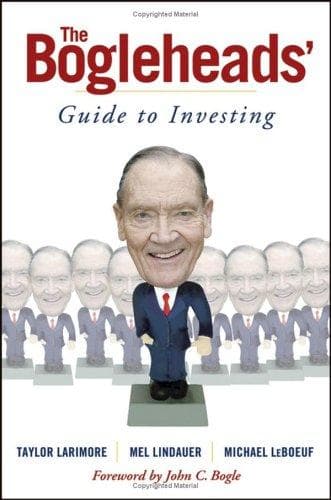
Taylor Larimore
This practical handbook covers asset allocation, index funds, and portfolio maintenance step by step. It suits readers who want to put Four Pillars principles into action with clear, actionable guidance.
Ramit Sethi
Sethi offers a conversational, action-oriented plan for automating savings and investing. It is a lighter read that shares Bernstein's goal of helping ordinary people take control of their finances.
We earn a commission if you buy through these links. Learn more