Reader-supported: when you buy through links on our site, we may earn an affiliate commission. Learn more

Cover of The Total Money Makeover: Classic Edition
Buy on AmazonBuy on Bookshop.orgListen on Audible

We earn a commission if you buy through these links. Learn more

Find Similar Books

The Total Money Makeover: Classic Edition

by Dave Ramsey

Business
★★★★★5.0 (1)

Guide by the Books of the Day editors · Updated · How we write our guides

Dave Ramsey's ordered, no-nonsense plan for getting out of debt and building savings one step at a time, useful for anyone whose money feels chaotic.

What Creators Say About The Total Money Makeover: Classic Edition

2 creators reviewed The Total Money Makeover: Classic Edition on YouTube between 2018 and 2025, with 1.3M views between them. Their opinions are their own; we picked these reviews, we didn't write them.

कर्ज में मत फसों - पैसा बनाओ | The Total Money Makeover By Dave Ramsey Book summary |Sapne Sach Hote Hai on YouTube1.1M views · 2025
THE TOTAL MONEY MAKEOVER SUMMARY (BY DAVE RAMSEY)The Swedish Investor on YouTube191.6K views · 2018

What It's About

The Total Money Makeover is a personal finance book built around a single sequence of steps, which Ramsey calls baby steps. Rather than treating money as a set of separate decisions about investing, insurance, and saving, it asks you to work through one priority at a time: build a small emergency cushion, clear every debt except the mortgage, build a larger safety fund, then move toward investing and long-term goals. The method is the reason the book exists, so most of its pages are about discipline and sequence rather than technical detail.

The style is blunt and conversational, closer to a talk than a textbook. Ramsey writes with a lot of certainty, mixes in personal stories and sharp asides he calls rants, and repeatedly warns against credit cards, borrowing, and get-rich-quick promises. Some readers find that energizing; others find it lecture-like. The book also teaches a budgeting approach where every dollar is assigned a job before the month begins, and it treats the emotional side of money, such as arguments with a spouse, as seriously as the arithmetic.

Reading it feels like being coached through a plan you could start tonight. You will come away with a clear order of operations and a strong push to change habits, but fewer tools for weighing trade-offs yourself. It works best as a starting framework for someone whose finances are chaotic, and it is less useful as a complete guide to investing or to finances that are already in reasonable shape.

Read this if you…

  • want a simple, ordered plan to get out of consumer debt
  • feel overwhelmed by money and need firm rules and motivation to start
  • prefer one clear method over a menu of options and trade-offs

Skip it if you…

  • already have a working budget, no consumer debt, and want nuanced investing advice
  • dislike a preachy, very certain tone or object to the book's faith-flavored framing

Key Ideas

  1. 1

    Work through the steps in strict order

    The core idea is that you should not start a later goal until the earlier one is finished. Ramsey argues that trying to save, invest, and pay down debt at the same time spreads your money too thin and keeps you stuck. The sequence is the plan, so the book asks you to resist skipping ahead even when a shortcut looks tempting.

  2. 2

    The debt snowball: smallest balance first

    Instead of targeting the highest interest rate, you list your non-mortgage debts from smallest balance to largest, pay minimums on everything, and throw every spare dollar at the smallest one. Each payoff frees up its payment for the next. The book's case rests on early wins that keep people motivated, a point it values more than the interest math.

  3. 3

    A small starter fund before anything else

    Before attacking debt, the book recommends setting aside a modest cash cushion so that a car repair or medical bill does not send you back onto credit cards. The idea is that a small buffer breaks the cycle of borrowing for surprises, and it is a deliberately simple target rather than a full emergency reserve.

  4. 4

    Give every dollar a job

    The budgeting method asks you to plan each month's income down to zero before it arrives, assigning every dollar to a category such as bills, savings, or debt. The point is less about tracking spending after the fact and more about deciding where money goes in advance, which the book argues is what makes spending changes stick.

Limitations

The book's firm stance against credit cards, borrowing, and carrying a mortgage does not account for situations where low-rate debt or leverage makes financial sense. Its investing guidance is thin and relies on assumptions about long-run stock returns that many financial planners consider optimistic. Some tax, insurance, and product details are dated, and the book promotes Ramsey's own training and advisor network. Critics also point to its religious tone and its tendency to dismiss nuance, though many readers find that bluntness is exactly what they need.

Questions Readers Ask

Is the debt snowball better than paying off the highest interest debt first?
Mathematically, paying the highest rate first usually saves more interest. The snowball prioritizes quick wins that keep people going, and the book argues that sticking with the plan matters more than the math. If you are disciplined and the rates are very different, a higher-rate-first approach may cost you less overall.
Is The Total Money Makeover still relevant?
The core ideas about budgeting, avoiding high-cost debt, and building an emergency fund remain practical. Specific numbers, product references, and investing assumptions are more dated, so check current rules, rates, and retirement account limits before acting on them.
Who is this book best for compared with more technical guides?
It suits people who need structure and encouragement more than analysis. If you want a detailed explanation of index funds, tax-advantaged accounts, or how to weigh investment risk, a more technical book on personal investing will serve you better after you finish this one.
Published
2013
ISBN
9781595555281
Difficulty
beginner
Category
Business

Book details and cover from Google Books.

Ready to read The Total Money Makeover: Classic Edition?

Get your copy on Amazon, or listen to it on Audible. We earn a commission if you buy through these links.

Books Like The Total Money Makeover

View all →
Cover of I Will Teach You To Be Rich

I Will Teach You To Be Rich

Ramit Sethi

Like Dave Ramsey's plan, Sethi offers a structured, step-by-step program with clear actions. He is blunt about avoiding excuses, which will appeal to readers who valued the straight talk in The Total Money Makeover.

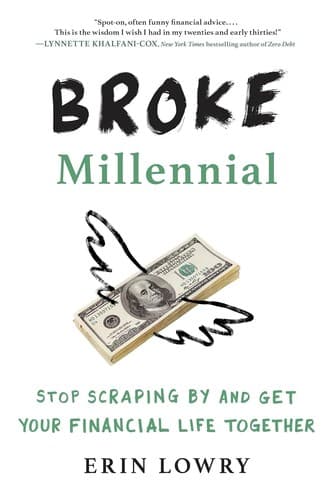
Cover of Broke millennial

Broke millennial

Erin Lowry

Lowry walks readers through paying down debt, budgeting and building an emergency fund in plain language. It suits anyone who wanted The Total Money Makeover's practical guidance but with a more modern, conversational voice.

Cover of The Psychology of Money

The Psychology of Money

Morgan Housel

Housel explores how behaviour and emotion shape financial outcomes more than technical knowledge. Readers who valued The Total Money Makeover's focus on changing your relationship with money will find this a thoughtful companion.

Explore More