Andrew S. Grove
Grove, a longtime Intel chief, explains how to spot a strategic inflection point before it overwhelms a business. That habit of early warning mirrors Blankfein's account of sensing a crisis before it swamps his team.
Reader-supported: when you buy through links on our site, we may earn an affiliate commission. Learn more
12 books to read next
If you loved Streetwise by Lloyd Blankfein
Readers who love Streetwise usually come for Lloyd Blankfein's frank account of leading a famous firm through turbulent years, especially the 2008 financial crisis. They also value his outsider's perspective, from a rough Brooklyn childhood to Harvard and Wall Street, and the dry, self-aware humour he brings to hard decisions. The book is also about protecting a company's culture, taking smart risks, and admitting mistakes. The picks below cover crisis leadership, lasting company culture, inside stories of finance, and memoirs of unlikely rises.

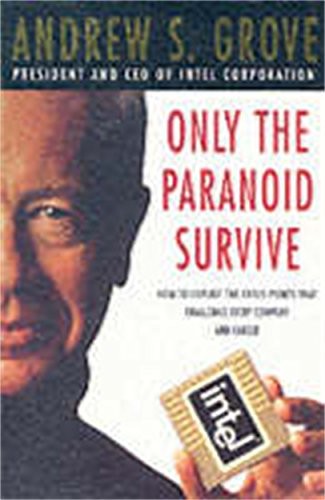
Andrew S. Grove
Grove, a longtime Intel chief, explains how to spot a strategic inflection point before it overwhelms a business. That habit of early warning mirrors Blankfein's account of sensing a crisis before it swamps his team.

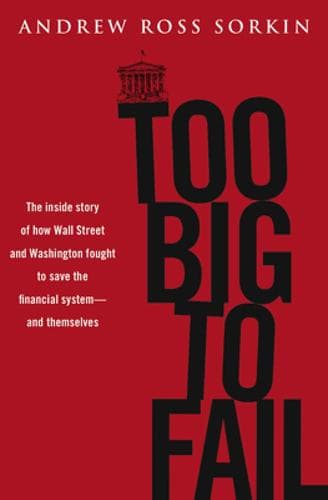
Andrew Ross Sorkin
Sorkin reconstructs the weekend decisions of 2008 among Wall Street and government leaders in a fast, detailed narrative. It gives the wider context for the crisis that Streetwise describes from inside Goldman Sachs.

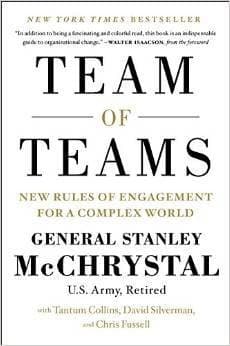
Stanley A. McChrystal, Tantum Collins
McChrystal, a retired general, describes how he reshaped a rigid command structure to meet fast-moving threats. Readers of Streetwise who enjoy its lessons on harmonising competitive people will find the same practical focus.

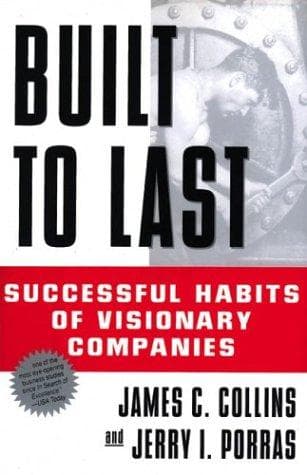
Collins, James C., Jim Collins
This classic study examines enduring companies and the core values that guided them through change. It parallels Blankfein's central theme of protecting a partnership culture while adapting to hard and good times.
Daniel Coyle
Coyle investigates what makes groups cohesive and trusting, using vivid examples from around the world. Readers moved by Blankfein's respect for team cohesion will appreciate its grounded, story-led approach.
Ray Dalio
Dalio, founder of Bridgewater, sets out the rules he used to build a firm around radical honesty and open debate. It shares Streetwise's interest in candid reckoning with mistakes and in management as a discipline.

Michael Lewis, Blanca Ribera de Madariaga
Lewis, a former bond salesman, offers a funny, sharp memoir of 1980s trading floors. Its insider wit and irreverence will appeal to readers who enjoyed Blankfein's self-deprecating view of Wall Street.

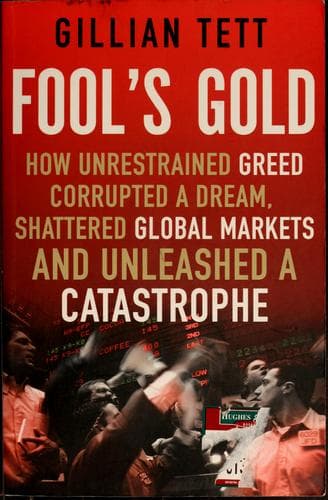
Gillian Tett
Tett, an anthropologist turned financial journalist, traces how complex derivatives built up risk across banks. It offers a clear, illuminating account of the markets Blankfein was steering through the crisis.

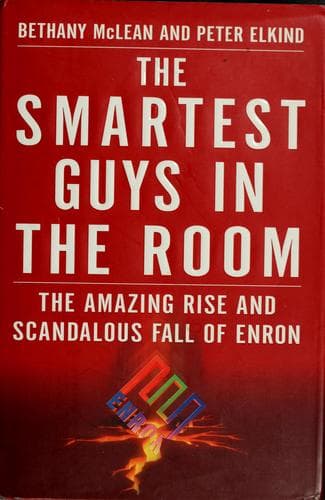
Bethany McLean, Peter Elkind
This account of the Enron collapse shows how a celebrated corporate culture can go badly wrong. Readers of Streetwise, who value the fail-safes and honesty that protect a firm, will find a sobering contrast.

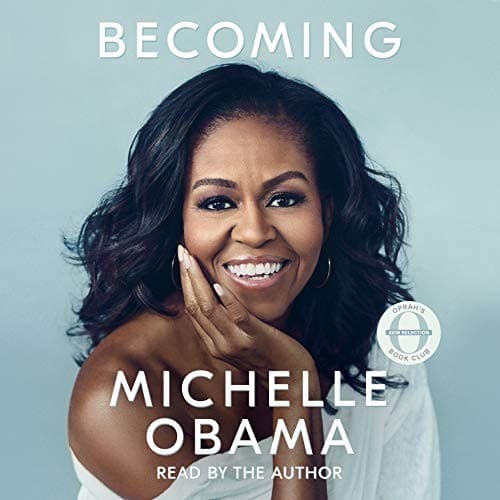
Michelle Obama
Obama recounts her journey from a modest South Side upbringing to the highest public stages with warmth and candour. Readers drawn to Blankfein's account of an outsider's childhood and hard-won success will recognise the same grounded voice.

J. D. Vance
Vance writes about growing up in a struggling Appalachian family and the pressures of leaving it behind. Like Streetwise, it looks honestly at how early hardship shapes a person's ambition and outlook.
Trevor Noah
Noah tells stories from a childhood under apartheid with sharp, funny observations about survival and family. Readers who enjoyed Blankfein's wry, resilient tone will find a similar mix of humour and hard lessons.
We earn a commission if you buy through these links. Learn more