
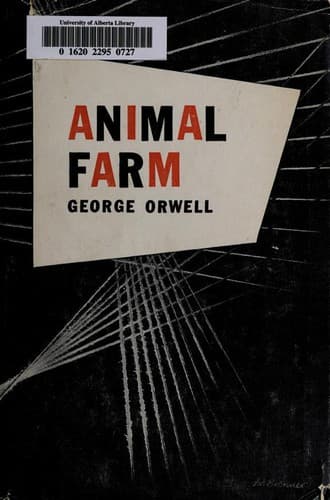
Animal Farm
George Orwell
Like Giraffe, it uses animals to show how ordinary creatures are swept into decisions made by people with power. Orwell's fable is short and sharp, and it shares Ledgard's clear-eyed view of how authority corrupts.
Reader-supported: when you buy through links on our site, we may earn an affiliate commission. Learn more
11 books to read next
If you loved Giraffe by J. M. Ledgard
Readers who love Giraffe usually come for its strange true story, the 1975 killing of a captive herd in a small Czech zoo, and for the way Ledgard makes that story feel both precise and dreamlike. The novel follows the animals from their capture in Africa to their end, so it is as much about the creatures' lives as about the people who controlled them. Its tone is grave and lyrical, its pace unhurried, and its approach is to let history's absurdity speak through quiet, restrained prose.
George Orwell
Like Giraffe, it uses animals to show how ordinary creatures are swept into decisions made by people with power. Orwell's fable is short and sharp, and it shares Ledgard's clear-eyed view of how authority corrupts.
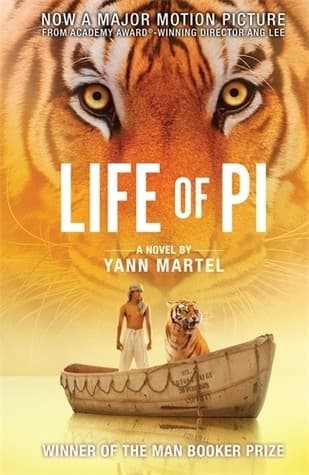
Yann Martel
A zoo's animals are central to its story, and its narrator is shaped by the captivity and survival that Giraffe also explores. Martel's lush, philosophical voice gives the animals real presence, much as Ledgard does.
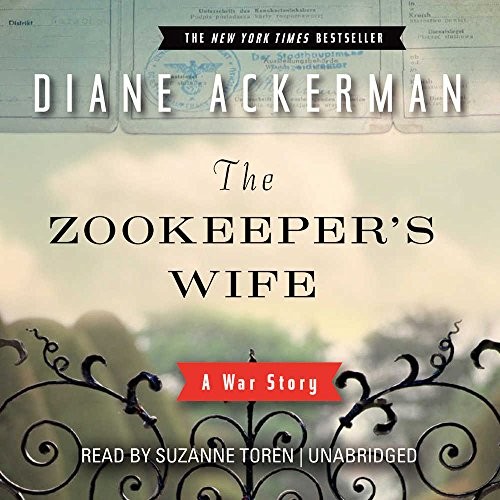
Diane Ackerman
This nonfiction account of a zoo in wartime Warsaw shows how animals and keepers become entangled with the violence around them. Readers drawn to Giraffe's zoo setting and its historical weight will find much the same tension here.
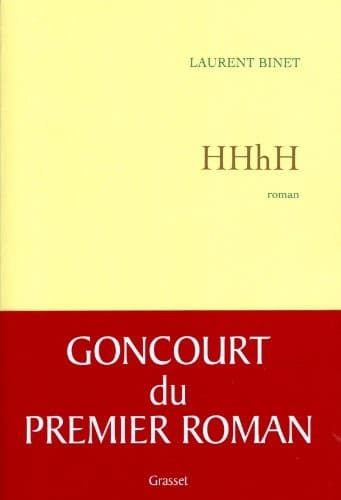
Laurent Binet
Binet retells a real 1942 Prague assassination while openly questioning how history gets told. Readers who valued Giraffe's grounding in a bizarre true incident will enjoy its blend of fact, invention and self-awareness.
Gabriel Garcia Marquez
This short novel reconstructs a killing from many witnesses' memories, circling a violent event that everyone seems to see coming. Like Giraffe, it is spare, tightly built and haunted by how senseless a death can be.
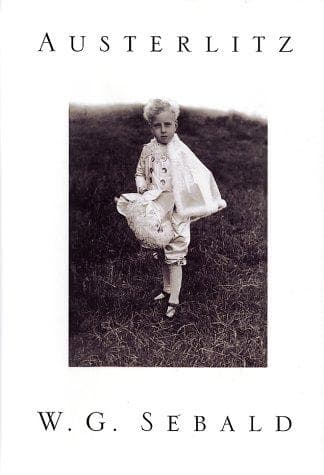
W. G. Sebald, Anthea Bell
Sebald's narrator pieces together European history through photographs, buildings and half-remembered places, including Prague. Readers who liked Giraffe's patient, layered reconstruction of a lost event will find the same mournful, meditative tone.
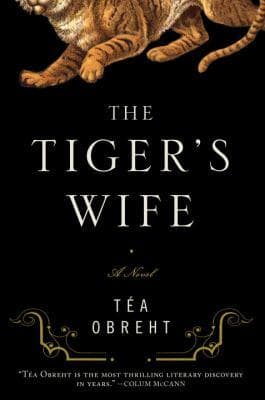
Téa Obreht
Obreht mixes folklore, a wild animal's legend and a war-scarred country in a way that resembles Ledgard's blend of myth and history. Its elegant prose and attention to animals as more than symbols will appeal to Giraffe readers.
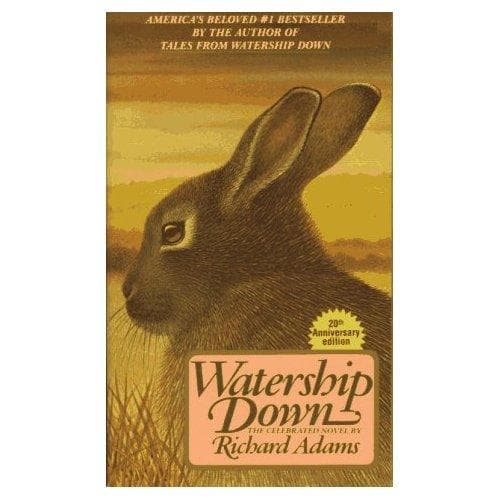
Richard Adams, Richard Adams
Adams gives animals their own society, language and dangers, and treats their fate with real seriousness. Readers who were moved by Giraffe's animal-centred perspective will recognise the same emotional investment.
Mikhail Bulgakov
Bulgakov's satire of an absurd, oppressive state is wild and inventive, yet it carries real human grief. Readers who appreciated the strangeness of Giraffe's true story will enjoy how Bulgakov turns bureaucratic cruelty into something surreal.
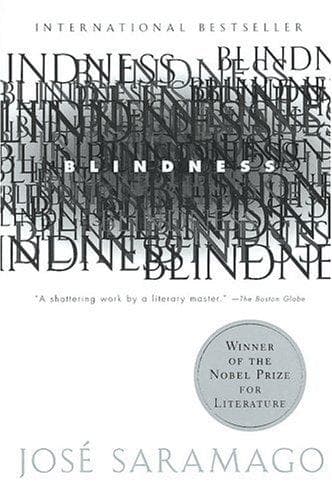
José Saramago
A sudden catastrophe exposes how fear and authority quickly turn people cruel. Saramago's stark, unpunctuated style and moral seriousness echo the grim, unsettling mood of Giraffe.
Kazuo Ishiguro
Ishiguro tells a quiet, restrained story about a group of people whose lives are controlled by a system they cannot question. Readers who liked Giraffe's calm, precise voice and its portrait of helpless beings will feel at home here.
We earn a commission if you buy through these links. Learn more