
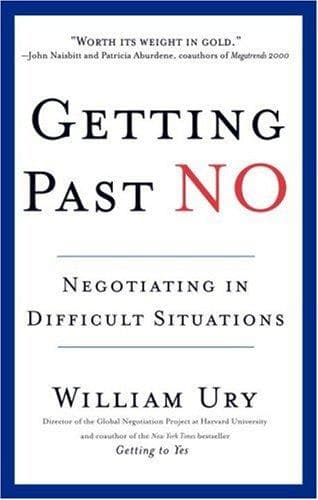
Getting past no
William Ury
Written by one of Getting to Yes's co-authors, it extends the same method to hostile or stuck negotiations, showing how to stay firm on interests while sidestepping the reflex to push back.
Reader-supported: when you buy through links on our site, we may earn an affiliate commission. Learn more
12 books to read next
If you loved Getting to Yes by Roger Fisher, William L. Ury, Bruce Patton
Readers who love Getting to Yes usually value its calm, practical tone and its refusal to treat negotiation as a battle of wills. They appreciate the idea of separating people from the problem, focusing on underlying interests rather than fixed positions, and inventing fair options before deciding. The book is short, concrete and framed as a method anyone can use at home, at work or in a tense conversation, without manipulation or hype.
William Ury
Written by one of Getting to Yes's co-authors, it extends the same method to hostile or stuck negotiations, showing how to stay firm on interests while sidestepping the reflex to push back.
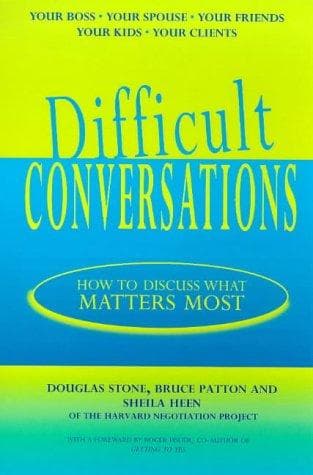
Douglas Stone, Bruce Patton
Bruce Patton co-wrote it, and it shares the Harvard approach of separating the problem from the people, here applied to emotionally loaded conversations about feelings, identity and blame.
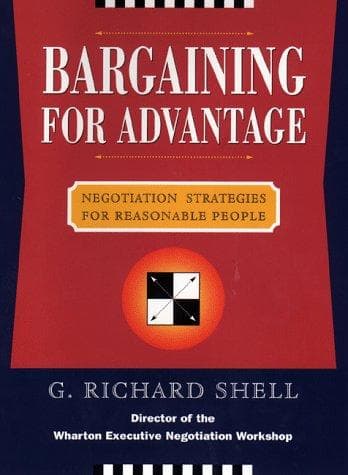
G. Richard Shell
It covers the same ground on interests, alternatives and fair trades, with a practical, step-by-step style that suits readers who want to test ideas in real deals.
Chris Voss, Tahl Raz
A former FBI hostage negotiator offers hands-on techniques like labels and calibrated questions, a more tactical companion to Getting to Yes's focus on interests and mutual gain.
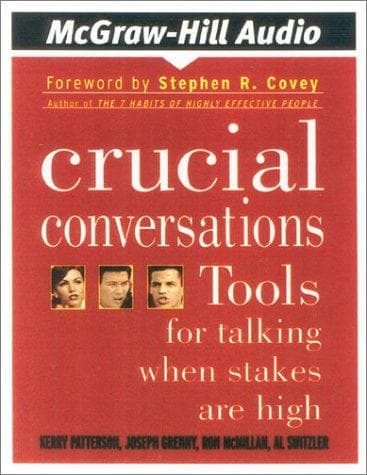
Kerry Patterson, Joseph Grenny
It gives a clear framework for high-stakes discussions where emotions run hot, echoing the book's advice to keep the problem separate from the people involved.
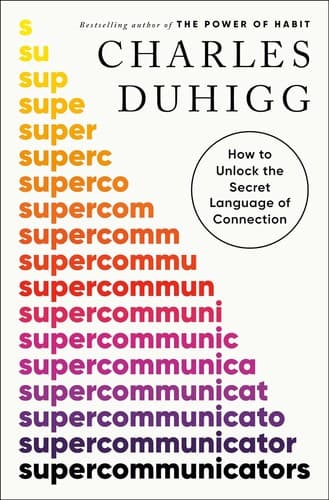
Charles Duhigg
Duhigg explains how to listen and frame conversations so others feel understood, a skill that complements Getting to Yes's emphasis on exploring what the other side really needs.
Daniel Kahneman
Its account of cognitive biases helps explain why negotiators anchor on positions and overlook options, the very pitfalls Getting to Yes works to avoid.
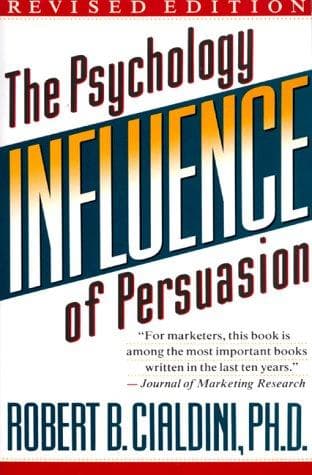
Robert B. Cialdini
Cialdini's research on reciprocity, commitment and social proof shows the psychological forces at play in bargaining, useful for readers who want to recognise them.
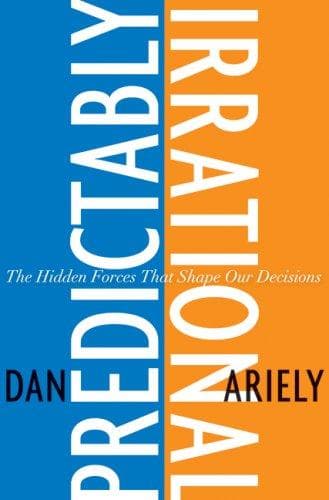
Dan Ariely
Ariely's experiments on how people misjudge value and fairness shed light on why reasonable-sounding offers often fail, which fits the book's interest in mutually satisfying agreements.
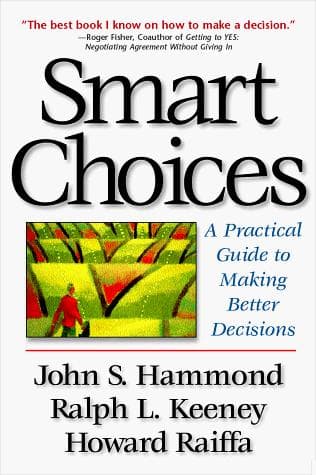
Hammond, John S., John S. Hammond
It offers a structured method for weighing trade-offs and objectives in complex choices, a rigorous companion for readers who liked Getting to Yes's systematic approach to options.
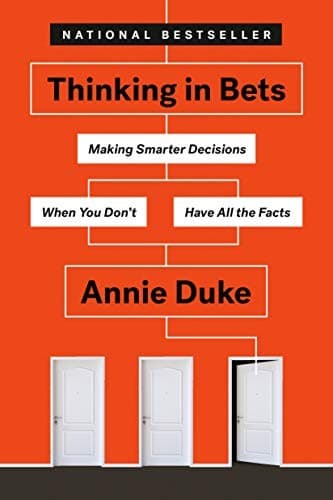
Annie Duke
Duke, a former professional poker player, argues for judging decisions by their process rather than outcomes, a mindset that pairs well with the book's advice on keeping an open mind.
Kim Scott
Scott shows how to challenge people directly while still caring about them, extending Getting to Yes's idea that good relationships and good outcomes can be pursued together.
We earn a commission if you buy through these links. Learn more