Tina Fey
Like Applegate's book, it mixes sharp self-mockery with an honest account of working as a woman in comedy and television. Fey's stories about sketch writing and sitcom life will feel familiar to fans of Applegate's set-life chapters.
Reader-supported: when you buy through links on our site, we may earn an affiliate commission. Learn more
11 books to read next
If you loved You with the Sad Eyes by Christina Applegate
Readers who love You with the Sad Eyes usually come for Christina Applegate's voice: frank, self-deprecating and funny even when the material is painful. The book follows a child performer's path through sitcom fame, the 1990s Los Angeles music scene and a long career, while also looking at family strain, body image, illness and the friendships that held her up. It is candid about grief and recovery without tipping into melodrama, so the reader gets both the laughs and the weight.

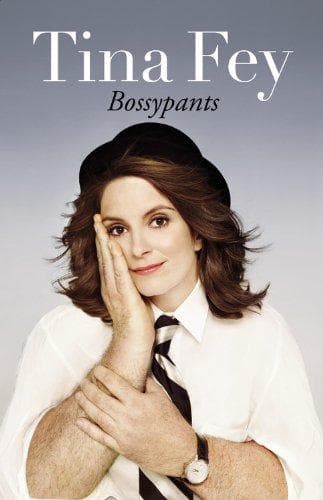
Tina Fey
Like Applegate's book, it mixes sharp self-mockery with an honest account of working as a woman in comedy and television. Fey's stories about sketch writing and sitcom life will feel familiar to fans of Applegate's set-life chapters.

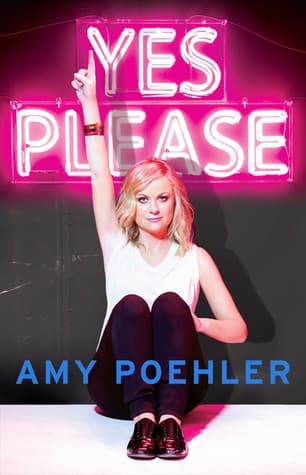
Amy Poehler
Poehler tells her own story with the same warm, unpolished humor and a willingness to talk about failure and self-doubt. Readers who enjoyed Applegate's candour about being a working performer will find the same tone here.

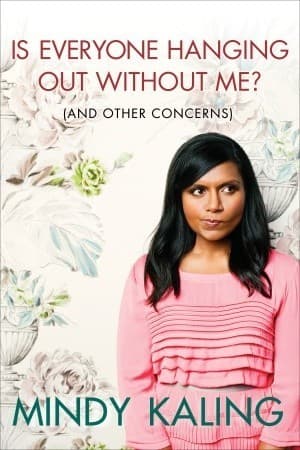
Mindy Kaling
Kaling writes conversationally about insecurity, body image and building a career in television, with jokes that land because they come from real vulnerability. It suits readers who valued the self-doubt and humour running through Applegate's account.

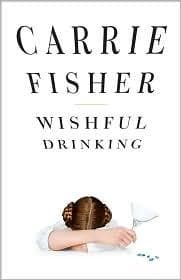
Carrie Fisher
Fisher's memoir is a funny, frank look at fame, addiction and a famous family, told in the same unflinching style Applegate uses for her childhood on set. Readers drawn to the darker side of Applegate's story will appreciate its honesty.

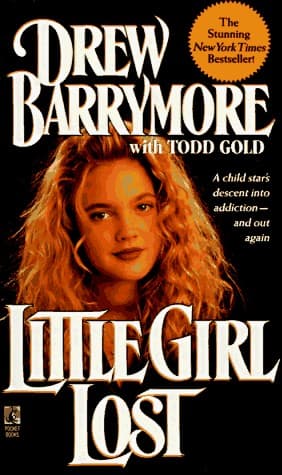
Drew Barrymore
Barrymore recounts becoming a child star, early fame and the difficult home life that came with it. It echoes the childhood-in-public thread of You with the Sad Eyes, seen from a performer who started young.

Susanna Kaysen
Kaysen's memoir of a psychiatric hospital stay in her youth is sharp, wry and unsentimental about mental health struggles. Readers who valued the depression and self-examination in Applegate's book will find a similarly clear-eyed voice.

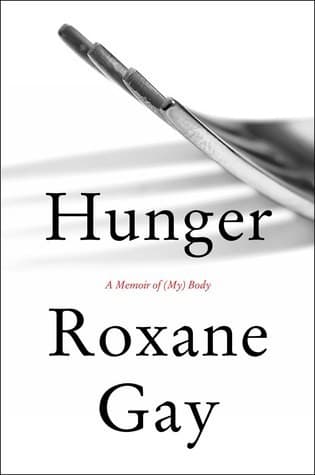
Roxane Gay
Gay writes candidly about her body, trauma and how others judge it, in prose that is direct and emotionally exact. It speaks to the body dysmorphia and self-scrutiny that Applegate describes, with the same refusal to offer easy answers.
Cheryl Strayed
Strayed's account of rebuilding herself after loss is raw, funny in places and driven by personal reckoning. Readers moved by Applegate's story of finding a new way of living after illness will connect with its arc of hardship and renewal.
Joan Didion
Didion writes with precision about grief and the disorientation of a life suddenly changed. Readers who found the quieter, reflective passages of Applegate's memoir resonant will find a close, searching companion in this book.

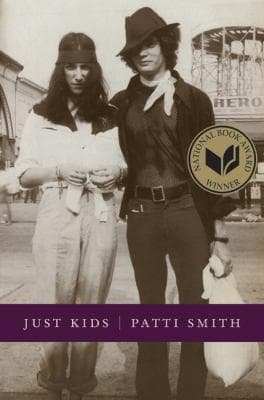
Patti Smith, Patti Smith
Smith's memoir captures a vivid, bohemian New York scene and the friendships that sustained her through hard years. It matches Applegate's chapters on finding belonging in the 1990s Los Angeles scene and the chosen family around her.

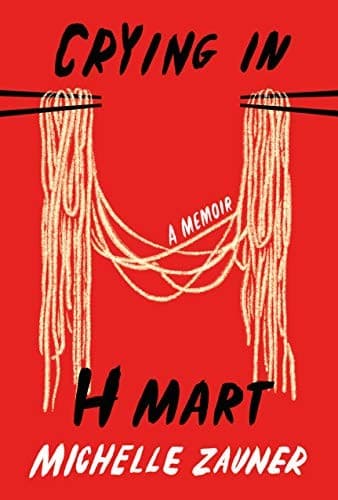
Michelle Zauner
Zauner writes about grief, her relationship with her mother and the way food and memory carry love. Readers who connected with the mother-daughter threads and the emotional honesty of You with the Sad Eyes will find similar tenderness here.
We earn a commission if you buy through these links. Learn more