
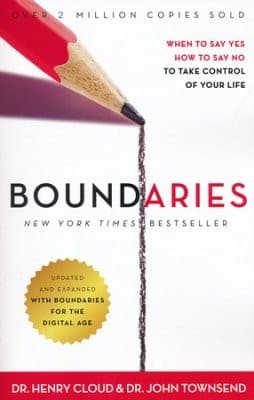
Boundaries
Henry Cloud, John Sims Townsend
Like The Let Them Theory, it helps you separate what is your responsibility from what belongs to other people. It offers clear language for limits in family, work and friendships.
Reader-supported: when you buy through links on our site, we may earn an affiliate commission. Learn more
12 books to read next
If you loved The Let Them Theory by Mel Robbins
Readers who love The Let Them Theory usually want a practical way to stop spending energy on what they cannot control. They respond to its short, direct chapters, its mix of personal stories and research, and its focus on relationships, self-trust and everyday choices. The tone is encouraging rather than preachy, and the advice is meant to be used right away. The picks below share that mix of plain language, actionable steps and an emphasis on reclaiming your own power.
Henry Cloud, John Sims Townsend
Like The Let Them Theory, it helps you separate what is your responsibility from what belongs to other people. It offers clear language for limits in family, work and friendships.
Don Miguel Ruiz
Its short, memorable principles about not taking others' opinions personally echo the freedom Robbins describes. It is a quick read that many people return to.
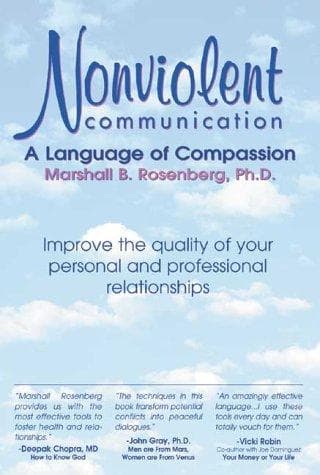
Marshall B. Rosenberg, Deepak Chopra
It gives practical scripts for handling conflict without trying to control the other person. This fits Robbins's focus on relationships and releasing the urge to manage everyone.

Tara Brach, Cassandra Campbell
Brach teaches meditative tools for meeting fear and self-judgment with compassion. Readers who connect with Robbins's point about self-doubt will find a gentler, more spiritual counterpart.

David D. Burns
Burns is a psychiatrist who gives concrete exercises for challenging negative thoughts. It suits readers who want research-based tools for mindset shifts, like those in The Let Them Theory.
Eckhart Tolle
Tolle encourages letting go of resistance to what is happening, which parallels the idea of stopping wasted energy on uncontrollable things. It is a reflective book for those who want a deeper perspective.
Brené Brown
Brown explores how vulnerability and willingness to be seen by others build courage. It pairs well with Robbins's message about releasing fear and the opinions of others.
Bill Burnett, Dave Evans
It uses a design-thinking approach to help readers build a life they want, which matches Robbins's push to define your own path. The exercises are practical and easy to start.
Greg McKeown
McKeown argues for focusing only on what truly matters and saying no to the rest. Readers who liked Robbins's emphasis on cutting wasted effort will find a strong, structured companion.
Amir Levine
It explains attachment styles in a way that helps readers understand their own patterns in love. This suits anyone who wants to create the love they deserve, a theme central to Robbins's book.
Dale Carnegie
A classic guide to building warmer relationships without trying to control others. Its practical advice on friendship and communication complements Robbins's chapters on connection.
Carol S. Dweck
Dweck's research on fixed and growth mindsets shows how beliefs shape the way people respond to setbacks. It gives science-backed grounding for readers who want to build resilience and pursue their goals with confidence.
We earn a commission if you buy through these links. Learn more