Reader-supported: when you buy through links on our site, we may earn an affiliate commission. Learn more

The Power of Now

by Eckhart Tolle

Body, Mind & Spirit
★★★★★5.0 (2)

Eckhart Tolle's short, repetitive case for living in the present moment offers a simple way to loosen the grip of anxious thinking, if you can meet it on its own terms.

What It's About

The Power of Now, first published in 1997, is a spiritual self-help book built on one central claim: much of our suffering comes from living inside our heads, replaying the past and rehearsing the future instead of attending to what is happening right now. Tolle presents himself as a teacher pointing at something you can verify in your own experience rather than as a theorist building an argument. The book reads more like a series of talks than a structured treatise, and it returns again and again to the same core point from slightly different angles.

The approach blends philosophy with a meditation manual. Tolle offers short, practical suggestions such as noticing your body, listening without adding commentary, and watching your own thinking as if it were a passing event. Chapters are brief and fairly self-contained, so you can open the book almost anywhere. The tone is calm, unhurried, and at times incantatory. Some readers find it soothing and clarifying; others find it vague, especially when the language turns abstract.

Reading it feels less like acquiring information and more like being asked to change how you pay attention. Don't expect case studies, citations, or a system you can test. Expect repetition, and expect to judge the ideas through your own daily experience across several readings.

Read this if you…

  • want a short, accessible introduction to mindfulness with a spiritual rather than clinical framing
  • feel caught in anxious rumination about the past or future and want a simple, repeatable practice
  • are comfortable with mystical language and enjoy books that aim to shift perception rather than deliver facts

Skip it if you…

  • want evidence, research citations, or a structured program you can measure your progress against
  • are looking for treatment for depression, trauma or anxiety disorders, since this book is not a substitute for professional care

Key Ideas

  1. 1

    The thinking mind as a source of suffering

    Tolle argues that the constant internal commentary most of us never stop producing generates much of our anxiety, resentment and dissatisfaction. The book's first task is to help you notice that you are not simply your thoughts, and that the mind's chatter is something you can observe rather than obey.

  2. 2

    The present moment as the only real time

    Past and future exist mainly as mental constructs, while life itself unfolds now. Tolle suggests that most people are rarely fully here, and that attention brought back to the present is both the cure for much worry and the doorway to a steadier sense of being alive.

  3. 3

    The ego as a constructed false self

    Tolle describes the ego as an identity assembled from possessions, roles, comparisons and memories. Because we tend to defend this self fiercely, it produces conflict. The book encourages readers to see through this constructed identity rather than strengthen it.

  4. 4

    The pain-body and emotional residue

    Tolle introduces the idea of a pain-body, a accumulation of old emotional hurt that lives in us and feeds on negative thought. His advice is to watch these emotions without identifying with them, which he believes weakens their hold over time.

  5. 5

    Acceptance as the basis for effective action

    Tolle distinguishes acceptance from passive resignation. Accepting what is already the case, he argues, clears the ground for wiser action. Readers who expect a call to change the world may find this idea understated, but it reframes how difficult circumstances can be approached.

Limitations

Critics often say the book is repetitive and that its central ideas are stated more often than they are developed. Its claims about awakening and the nature of consciousness rest on the author's personal experience rather than evidence, and readers who want a rigorous account will find little to test. It offers few concrete tools for specific problems such as grief, workplace conflict or addiction. Since its 1997 publication, mindfulness has become mainstream, so much of its material may feel familiar, though the book remains a distinctive, if uneven, example of the genre.

Questions Readers Ask

Is The Power of Now religious?
It is not tied to a particular religion. Tolle draws on mystical and contemplative traditions, including Christian mysticism and Eastern thought, and speaks in universal terms about consciousness and the self. Readers who are religious can find it compatible with their faith, while secular readers can treat it as a psychological practice without accepting its metaphysics.
How does it compare to Wherever You Go, There You Are?
Jon Kabat-Zinn's book is more practical and grounded in secular mindfulness, with clear guidance on meditation and everyday application. Tolle's book is more mystical and less structured. If you want exercises you can follow step by step, start with Kabat-Zinn. If you want a sweeping, philosophical reframing of how you experience yourself, Tolle is the more evocative choice.
Is it still worth reading today?
Yes, especially if you are new to present-moment practice. Much of its core advice has been absorbed into modern mindfulness culture, so some ideas may feel familiar. Its strength is its simplicity and its persistent focus on noticing your own thinking, which remains a useful starting point even for readers who later move on to more rigorous or evidence-based material.

What Creators Say About The Power of Now

Reviews from readers on YouTube. Their opinions are their own.

The Power of Now Animated SummaryWisdom for Life on YouTube
"Eckhart Tolle Is WRONG!" - Jordan Peterson on 'The Power of Now'The Iced Coffee Hour Clips on YouTube
Published
2004
ISBN
9781577314806
Difficulty
beginner
Category
Body, Mind & Spirit

Book details and cover from Google Books.

Ready to read The Power of Now?

Get your copy on Amazon, or listen to it on Audible. We earn a commission if you buy through these links.

Books Like The Power of Now

View all →
Cover of Wherever You Go, There You Are

Wherever You Go, There You Are

Jon Kabat-Zinn

Like The Power of Now, it asks you to stop postponing life and simply notice the moment you are in. Kabat-Zinn gives short, practical meditations for ordinary days, which suits readers who valued Tolle's focus on present-moment awareness.

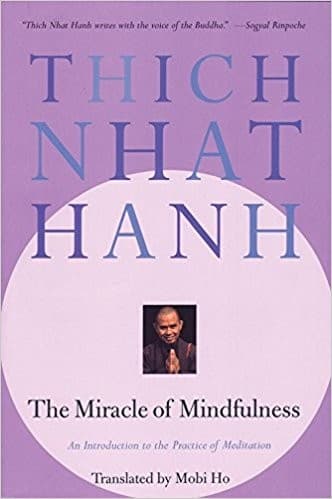
Cover of The Miracle of Mindfulness

The Miracle of Mindfulness

Thích Nhất Hạnh

Thich Nhat Hanh shows how washing dishes or walking can become full attention to the present. Readers who found Tolle's central idea freeing will appreciate this gentle, concrete account of living mindfully.

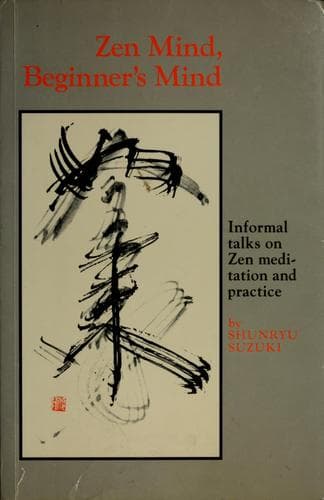
Cover of Zen mind, beginner's mind

Zen mind, beginner's mind

Shunryū Suzuki

Suzuki's short talks urge readers to meet each moment without preconceptions, the same openness Tolle describes. It is a calm, classic book for anyone who wants to go further into being rather than thinking.

Cover of The Untethered Soul

The Untethered Soul

Michael A. Singer

Singer explores how to observe your inner chatter and stop identifying with it, a theme close to the heart of The Power of Now. Readers who liked Tolle's distinction between the self and the thinking mind will find this a natural next step.

Explore More