
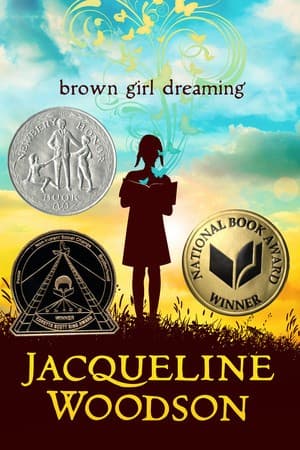
Brown Girl Dreaming
Jacqueline Woodson
A memoir in verse about growing up between South Carolina and Brooklyn, built from short, lyrical pieces that capture childhood and identity much as Cisneros's vignettes do.
Reader-supported: when you buy through links on our site, we may earn an affiliate commission. Learn more
We earn a commission if you buy through these links. Learn more
Find Similar BooksA sharp, compact coming-of-age story told in short, luminous sketches, Cisneros's book captures a girl's wish to leave her neighborhood and the pull to stay.
The House on Mango Street is a short novel told in vignettes, not the collection of essays its publisher description suggests. Esperanza Cordero, a girl growing up among Latino families on Chicago's northwest side, narrates the book as her family moves into a house on Mango Street that falls well short of the home she imagined. The sections are brief, sometimes only a paragraph, and each one is a snapshot: a friend, a neighbor, a cousin, a dance, a house she is embarrassed to bring people home to.
The style is spare and musical. Cisneros writes in plain, childlike language with a poet's ear for repetition and image, so the book reads quickly but lingers. Because each piece stands on its own, you can finish a section in two minutes and think about it for the rest of the afternoon. The effect builds over time, as small sketches add up to a portrait of a neighborhood and of a girl working out who she will become.
Reading it feels less like following a plot than like walking a block with someone who notices everything. It is a book about wanting to be somewhere else while remaining tied to the people you came from, and that tension runs quietly beneath every section.
Rather than chapters driven by plot, the book is built from short, self-contained pieces. Each one works alone, but read in sequence they form a larger arc about growing up. The form asks you to fill gaps yourself, noticing what is implied as much as what is stated, which makes the reading feel active even though the sentences are simple.
The house on Mango Street is a source of shame and longing rather than a symbol of achievement. Esperanza measures her family's position by it, and her hopes for a different life are tied to what a home means: security, status, and the freedom to choose where you live. The book treats housing as a question of class and identity without lecturing about either.
Many sketches show how girls in the neighborhood are watched, expected to marry early, or treated as property. The narrator notices these patterns in her friends and female relatives and begins to see her own future through them. The book's interest in gender comes through observation and small scenes rather than argument.
The central tension is between the desire to escape a place and the obligation to the people left behind. Esperanza wants a life that her neighborhood does not seem to offer, yet she feels a loyalty she cannot easily set aside. This push and pull gives the book its emotional weight and keeps it from being a simple story of escape.
The narration sounds like a young girl, but its choices of detail and its sharp, sometimes wry observations suggest a more mature mind looking back. That gap gives the book its distinctive texture. The voice is accessible to young readers and rewarding for adults who notice how much is packed into each short passage.
Because the sections are so brief, some readers find the book fragmentary, and characters appear and vanish without much development. The plot is thin by design, so those who want a traditional arc may feel unsatisfied. Its themes of poverty, gender, and cultural identity are handled through a young narrator, which keeps them close and personal but leaves adult perspectives less explored. Many readers encounter it in school, and that familiarity can dull the impact for some who return to it later.
Reviews from readers on YouTube. Their opinions are their own.
Book details and cover from Google Books.
Ready to read The House on Mango Street?
Get your copy on Amazon, or listen to it on Audible. We earn a commission if you buy through these links.
Jacqueline Woodson
A memoir in verse about growing up between South Carolina and Brooklyn, built from short, lyrical pieces that capture childhood and identity much as Cisneros's vignettes do.
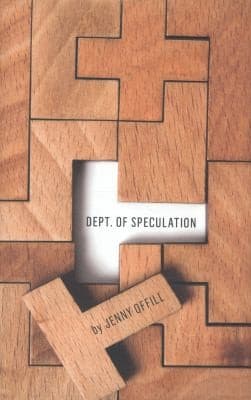
Jenny Offill
Told in brief, luminous fragments, this novel shows how much feeling can fit into a few lines, ideal for readers drawn to Mango Street's compressed, poetic form.

Maggie Nelson
Numbered prose fragments blur poetry and essay, offering the same pleasure of short, dense passages that reward slow reading and rereading.
Julia Alvarez
Four sisters move from the Dominican Republic to the United States, navigating language, family and womanhood in linked stories that echo Esperanza's search for belonging.