
The Grapes of Wrath
John Steinbeck
Like The Four Winds, it follows a farming family driven off their land by drought and debt during the 1930s. Its anger at the gap between owners and workers mirrors Hannah's haves and have-nots theme.
Reader-supported: when you buy through links on our site, we may earn an affiliate commission. Learn more
We earn a commission if you buy through these links. Learn more
Find Similar BooksGuide by the Books of the Day editors · Updated · How we write our guides
A sweeping, emotionally direct Dust Bowl novel that makes the drought, the migration west, and one woman's hard choices feel immediate and personal.
2 creators reviewed The Four Winds on YouTube in 2021, with 15.6K views between them. Their opinions are their own; we picked these reviews, we didn't write them.
The Four Winds is a historical novel that follows Elsa Wolcott from a hasty marriage in 1921 Texas into the drought years of the mid-1930s. Hannah builds the story around one family's daily struggle on a farm that is slowly failing, where dust, debt, and a strained marriage press in from every side. The narrative moves across years, so the reader sees both the hopeful early period and the collapse that follows.
The style is accessible and emotionally direct. The story stays close to Elsa, favoring scenes of hardship, domestic detail, and difficult decisions over broad historical summary. Context arrives through what the era costs people: failed crops, mounting pressure, eroded land, and the decision to leave. It reads quickly, closer to a page-turner than a literary experiment, and it asks you to feel the story more than to analyze it.
The experience is immersive and often harrowing. Expect long stretches of suffering and sustained tension, balanced by moments of resilience and tenderness. Readers hoping for a restrained, ironic, or experimental take on the period may find it more sentimental than they would like. As an introduction to the Dust Bowl and the migration west, though, it is vivid and hard to put down.
The farm is both the family's only hope and the force destroying it. Hannah shows how dependence on the soil leaves people exposed when weather turns, and how the loss of land becomes a loss of identity as well as income.
For Elsa, marriage is less a romantic choice than the only respectable path open to a woman in her position. The book examines how limited options shape a marriage, and how endurance within a difficult partnership can become its own form of strength.
Much of the tension comes from a choice with no clean answer: hold on to the land and risk everything, or abandon what you love for an uncertain future. The novel treats both options as painful and gives the decision real weight.
The story contrasts the people who own land with those who lose it, and it follows migrants into California, where the promise of work collides with hostility and hardship. Hannah uses this divide to question what the American dream actually offers to ordinary families.
The book's central claim is that people endure through sacrifice and stubborn hope. Hannah frames survival as a moral achievement, which gives the novel its uplifting tone even when the events it portrays are bleak.
Critics often point to the novel's melodramatic tone, its broad villains, and its idealized heroine, all of which can make the emotional beats feel predictable. Some readers find the plotting leans on convenient turns and that the historical detail, though vivid, serves the emotional story more than it probes the economics or politics of the era. The book also centers one family's perspective, so the wider experience of the period appears mostly through Elsa's eyes rather than through a range of voices. None of this makes it less moving, but it is worth knowing before you start.
Book details and cover from Google Books.
Ready to read The Four Winds?
Get your copy on Amazon, or listen to it on Audible. We earn a commission if you buy through these links.
John Steinbeck
Like The Four Winds, it follows a farming family driven off their land by drought and debt during the 1930s. Its anger at the gap between owners and workers mirrors Hannah's haves and have-nots theme.
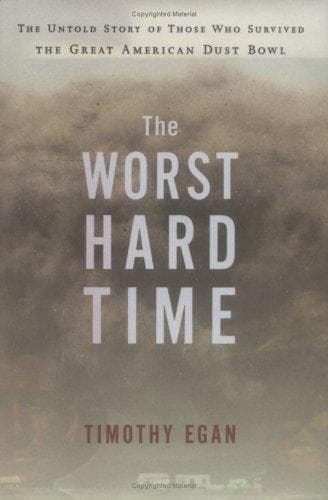
Timothy Egan
This nonfiction account of the Dust Bowl shows the real storms and failed farms behind Elsa's struggle. Readers who valued the book's historical detail will find the same hardships documented in human terms.
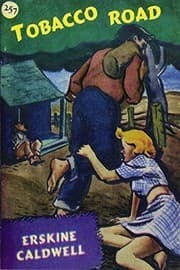
Erskine Caldwell
A bleak, darkly comic portrait of a Georgia farm family ruined by the Depression. It suits readers who wanted the hard-scrabble rural realism of The Four Winds with a sharper edge.
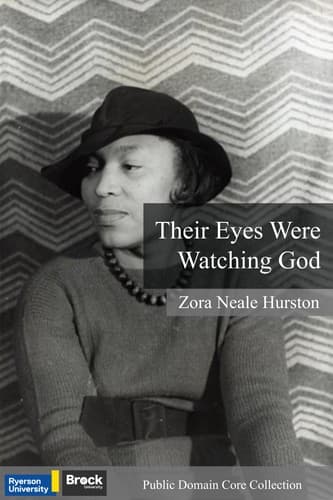
Zora Neale Hurston
Janie's search for independence and a life of her own echoes Elsa's determination to shape her future. Hurston's lyrical voice gives a woman's inner life the same weight Hannah gives to Elsa's.