Reader-supported: when you buy through links on our site, we may earn an affiliate commission. Learn more

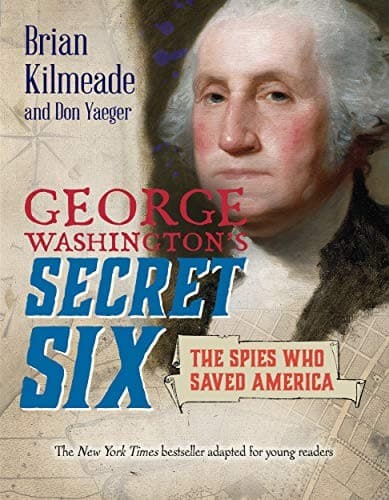
Cover of George Washington's secret six
Buy on AmazonBuy on Bookshop.orgListen on Audible

We earn a commission if you buy through these links. Learn more

Find Similar Books

George Washington's secret six

by Brian Kilmeade

Guide by the Books of the Day editors · Updated · How we write our guides

A fast, accessible account of the Culper spy ring, the network of ordinary New Yorkers and Long Islanders whose quiet intelligence work helped Washington's army.

What Creators Say About George Washington's secret six

2 creators reviewed George Washington's secret six on YouTube between 2013 and 2018, with 32.3K views between them. Their opinions are their own; we picked these reviews, we didn't write them.

George Washington's Secret Six: The Spy Ring That Saved the American Revolution | Brian KilmeadeThe Heritage Foundation on YouTube31.5K views · 2013
Brian Kilmeade - George Washington’s Secret SixCentennial Institute on YouTube864 views · 2018

What It's About

George Washington's Secret Six, written with Don Yaeger, tells the story of the Culper spy ring, the intelligence network Washington built during the Revolutionary War around British-occupied New York City. Its members came from ordinary civilian walks of life, including merchants, farmers, and boatmen, alongside a young Continental officer. Much of the book follows how they gathered information on British activity, moved it across water and enemy lines, and avoided discovery in a city where a single mistake could mean execution.

The style is brisk and narrative-driven. Kilmeade, best known as a television host, writes for general readers who want a story that moves, and the authors fill in scenes and character motives to keep the pace up. The result reads more like a suspense story than a scholarly monograph. Readers who want footnoted debate over sources or a deep analysis of Revolutionary strategy will find it light on those fronts.

The experience is quick and engaging, and it works well as an entry point into a little-known part of the war. Many readers will finish it wanting to know more about how the Culper network actually operated, which makes it a useful starting place rather than a final word on the subject.

Read this if you…

  • are curious about the behind-the-scenes side of the Revolutionary War
  • want a fast, story-driven introduction to early American espionage
  • enjoy true stories about ordinary people taking large personal risks

Skip it if you…

  • want rigorous scholarship with detailed sourcing and historiographical debate
  • need a broad overview of the full Revolutionary War rather than one network

Key Ideas

  1. 1

    Intelligence can decide a war quietly

    The book argues that information about enemy plans can matter as much as battles. Much of the story takes place away from the front lines, where small pieces of news about British movements reached Washington and shaped decisions. It shows how the war was also fought through letters, messages, and careful reporting rather than only through muskets and marches.

  2. 2

    Ordinary people formed the network's backbone

    Rather than professional spies, the ring drew on people with everyday jobs and local ties. Their knowledge of neighborhoods, shipping, and social circles made them useful, and their willingness to take personal risks is the emotional center of the book. The focus on civilians gives the history a grounded, human quality.

  3. 3

    Tradecraft: codes, ink, and signals

    The book describes the practical methods the network used to protect its messages, including coded language and concealed writing. These details show how improvised the work was. Secrecy depended on constant care, and small habits could either protect a source or expose them.

  4. 4

    The cost of secrecy and betrayal

    Espionage carried constant danger, and the book pays attention to how fear, suspicion, and the treason of insiders could threaten the whole operation. This thread adds tension and reminds readers that loyalty in wartime was fragile and often tested.

Limitations

The book's popular style is its main trade-off. Scenes and inner thoughts are shaped for narrative momentum, which can make it hard to tell documented fact from informed interpretation. Critics who expect academic citation will find it thin. Because it concentrates on one spy network, it does not cover the wider military campaigns, politics, or the experiences of many other participants in the conflict. It is best read alongside more specialist histories.

Questions Readers Ask

Is George Washington's Secret Six a good book for beginners?
Yes. It is written for general readers, uses a fast narrative pace, and avoids heavy academic language. You do not need prior knowledge of the Revolution to follow it. Readers who want more depth afterward can move on to specialist histories of the Culper ring and wartime intelligence.
How accurate is the book?
The Culper ring was a real network, and the book is grounded in that history. However, its popular style means some scenes and motivations are dramatized for readability. Treat it as a well-informed narrative rather than a source for precise details, and check specifics against scholarly works if they matter to you.
What should I read after this book?
If the Culper story interests you, look for more detailed histories of Revolutionary intelligence and the people involved. Readers who enjoyed the human focus might also try broader biographies of Washington or accounts of the war in New York. Those titles provide more context and sourcing than this book.
Published
2013
ISBN
9780735209435
Difficulty
beginner
Category
History

Book details and cover from Google Books.

Ready to read George Washington's secret six?

Get your copy on Amazon, or listen to it on Audible. We earn a commission if you buy through these links.

Books Like George Washington's secret six

View all →
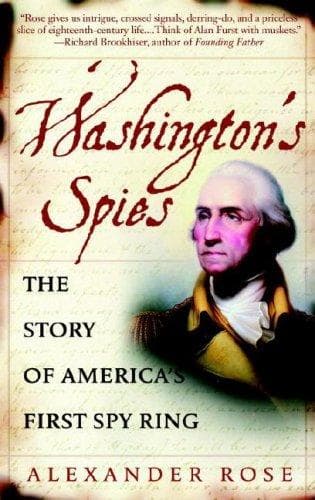
Cover of Washington's Spies

Washington's Spies

Alexander Rose

Rose tells the story of the Culper spy ring that ran New York intelligence for Washington, the same network at the heart of George Washington's Secret Six. It offers a deeper, more detailed look at how those agents operated.

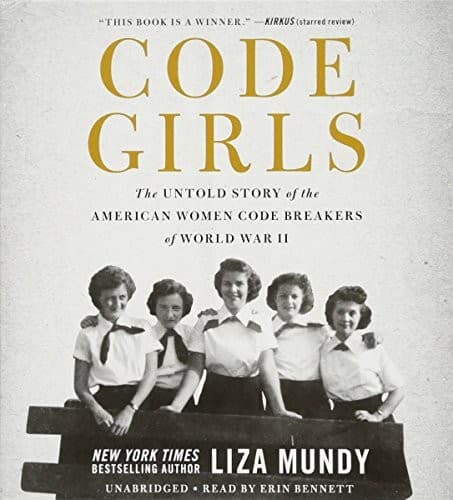
Cover of Code girls

Code girls

Liza Mundy

Mundy follows American women who broke enemy codes in the Second World War. Like the Secret Six, it spotlights overlooked people whose quiet work changed the outcome of a major conflict.

Cover of Operation Mincemeat

Operation Mincemeat

Ben Macintyre

Macintyre recounts a daring wartime deception with the pacing of a thriller. Readers who enjoyed the cloak-and-dagger tradecraft and clever misdirection of the Secret Six will find much to like here.

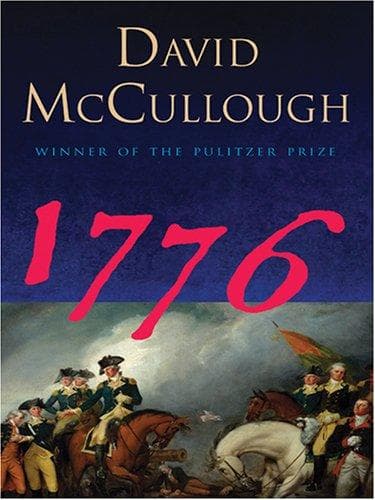
Cover of 1776

1776

David McCullough

McCullough brings the year of independence to life through close attention to the soldiers and leaders involved. It pairs well with the Secret Six for readers who want the wider military and political picture around Washington.

Explore More