
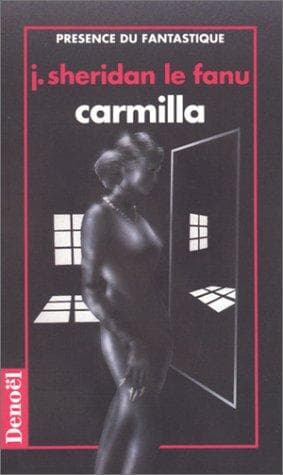
Carmilla
Sheridan Le Fanu
A short, eerie vampire novella with a slow-burning sense of menace and a Victorian narrator piecing together a threat, much like the careful build-up in Dracula.
Reader-supported: when you buy through links on our site, we may earn an affiliate commission. Learn more
We earn a commission if you buy through these links. Learn more
Find Similar Booksby Bram Stoker
On screen: Nosferatu (film, 1922) · Bram Stoker's Dracula (film, 1992) · Dracula (film, 1931) · Nosferatu the Vampyre (film, 1979) · Nosferatu (film, 2024)
Guide by the Books of the Day editors · Updated · How we write our guides
Stoker's 1897 novel is the blueprint for the modern vampire, and it works best as a slow-building mystery told through diaries, letters and newspaper clippings.
2 creators reviewed Dracula on YouTube between 2017 and 2021, with 747.1K views between them. Their opinions are their own; we picked these reviews, we didn't write them.
Dracula is the 1897 novel that gave the vampire much of its modern shape, and it still reads as a surprisingly sharp piece of storytelling. Stoker does not give you a single narrator. Instead, the book is assembled from journal entries, letters, telegrams, newspaper cuttings and a ship's log, each written by a different character who knows only part of the picture. The opening sends a young English solicitor to a remote castle in Transylvania on business, and from there the story splits between that isolated place and the English circle he leaves behind.
The experience is slow at first and then tightens considerably. The early sections are heavy with travel detail and atmosphere, so patience pays off. The voices vary: one writer is meticulous and anxious, another clinical, another brisk and certain of himself. Because you see each document only in part, reading feels less like being told a story and more like sorting evidence, which gives the book an investigative edge. Dread comes from rumour, routine and small wrongnesses far more than from explicit horror.
Reading it today, you also see a book shaped by late Victorian anxieties about foreigners, sexuality, science and changing roles for women, even when it works through those anxieties in conventional ways. The effect is of a group effort, and it rewards attention to who is writing and what each person leaves out.
Each section is a letter, diary entry, clipping or record, so no single voice is fully reliable. Much of the pleasure comes from comparing accounts, noticing what a writer omits or misreads, and working out the larger picture yourself. This structure makes the reader a kind of investigator alongside the characters.
The novel is preoccupied with a powerful outsider who arrives from elsewhere and moves into an unsuspecting society. Stoker frames this as a threat to home, family and national order. Modern readers will notice how the book leans on stereotypes about Eastern Europe, so the anxiety is as much about the characters' prejudices as about the monster.
Typewriters, shorthand, telegraphs and a phonograph appear throughout, and the characters use them to organise their evidence. The clash between rational tools and ancient folklore is a central tension. Science and modern record-keeping are presented as useful, but they cannot fully explain or contain what the group is facing.
The female characters are often competent, with Mina in particular doing essential organising and recording work. Yet the plot repeatedly positions women as objects of protection and anxiety about purity and desire. Reading the book closely shows Stoker's ambivalence about women's changing roles in the late nineteenth century.
Stoker often keeps the Count offstage and lets rumour, strange routines and small details carry the tension. The horror is cumulative rather than constant, which suits readers who enjoy suspense more than gore. The gradual sense that something is badly wrong is the book's most lasting effect.
The book's attitudes are dated. Its depiction of foreign characters relies on stereotypes, and its view of women and sexuality reflects the assumptions of its era. The middle stretches can feel repetitive, as several characters restate the same events in different documents. Some plot turns depend on coincidence and convenient timing, and the heroic group's certainties can feel rigid to modern readers. None of this makes the novel unreadable, but it does mean reading it with some historical awareness.
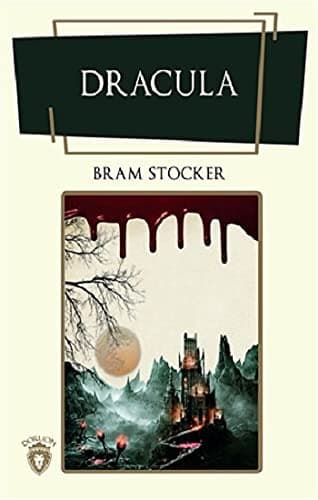
Book details and cover from Google Books.
Ready to read Dracula?
Get your copy on Amazon, or listen to it on Audible. We earn a commission if you buy through these links.
Sheridan Le Fanu
A short, eerie vampire novella with a slow-burning sense of menace and a Victorian narrator piecing together a threat, much like the careful build-up in Dracula.
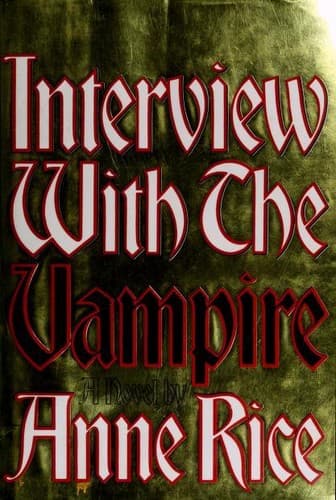
Anne Rice
Offers a richer, more reflective take on vampire mythology, with a gothic atmosphere and the moral weight of immortal creatures that Dracula's readers often enjoy.
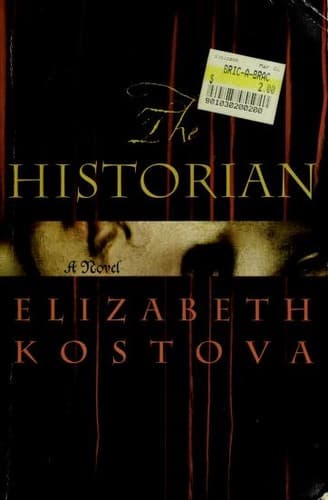
Elizabeth Kostova
Follows scholars chasing the legend of Dracula through old letters and archives, combining the epistolary feel and historical trail that made Stoker's novel so absorbing.
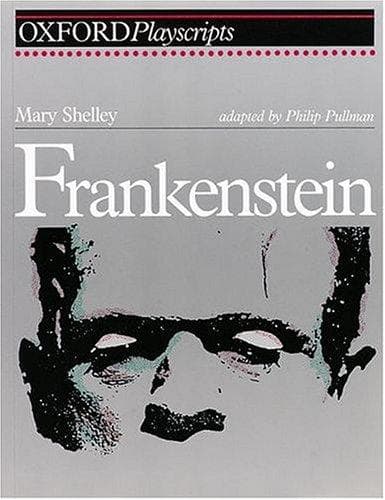
Mary Shelley, Philip Pullman
Also framed through letters and layered narrators, it shares Dracula's gothic mood and its interest in science, obsession and the fear of what humans create.