
We earn a commission if you buy through these links. Learn more
Carmilla
Le Fanu's 1872 novella predates Dracula by 25 years and still unsettles: a lonely heroine, a strange guest, and slow-building dread in a remote Styrian castle.
What It's About
Carmilla is a short Gothic novella narrated by Laura, a young woman who lives with her father in an isolated château in Styria. Her quiet life changes when a carriage accident leaves a mysterious young woman, Carmilla, in the household's care. Carmilla arrives with odd habits, an unexplained past, and an intensity of affection that Laura finds thrilling and disturbing in equal measure.
Le Fanu builds dread slowly. Laura tells the story in retrospect, so she is always partly aware of what she is leaving out, and the book trusts suggestion over spectacle. Its strangest effects come from atmosphere, from half-remembered dreams, and from the feeling that something is being withheld. The closing section shifts into the clinical tone of a physician's casebook, which makes the events feel documented and oddly more real.
The experience is less a fright than a lingering unease. The prose is ornate and formal, typical of its period, and sentences can run long. Because the book is short, though, it is easy to finish in one sitting, and it rewards a reader who is willing to slow down and notice what is implied.
Read this if you…
- want slow-burn Gothic atmosphere more than jump scares or gore
- are curious about where vampire fiction began, before Stoker's novel
- want a short, eerie read you can finish in an evening
Skip it if you…
- need fast pacing, brisk dialogue, or explicit horror
- prefer clear explanations and a fully resolved supernatural system
Key Ideas
- 1
Intimacy as the source of danger
The most unsettling thing about the story is how close Laura and Carmilla become. Affection, flattery, and a sense of being specially chosen arrive before any fear does. Le Fanu makes the threat feel like a seductive intimacy, so the reader sees the danger as something that grows inside a relationship rather than something that breaks into it from outside.
- 2
Dread built through delay and partial knowledge
Laura does not understand what she sees, and the story does not explain it to her. Events arrive in fragments, and the reader is left to assemble the pattern. This restraint is a big part of why the book still works. It creates suspense through what is held back and lets uncertainty do the work that later horror fiction often hands to the reader directly.
- 3
Old families and the weight of the past
Carmilla is tied to local legends about an old noble line, and the story treats inheritance and the past as forces that refuse to stay buried. Readers can see in this a broader Victorian anxiety about decay, aristocratic decline, and the way old histories seep into the present, which gives the supernatural plot a social undertow.
- 4
A physician's casebook as frame
The closing material in the form of a doctor's notes gives the story a documentary feel. The clinical voice sits oddly against the emotional intensity of Laura's account, and it asks the reader to weigh what counts as evidence. That contrast between rational record and irrational experience is one of the book's distinctive techniques.
- 5
Desire read between the lines
Many modern readers see strong queer subtext in the bond between the two women, and the story's Victorian reticence makes that subtext both hidden and charged. Whether you read it as deliberate coding or as an accident of its era, the emotional current is one of the main reasons the book still draws new attention.
Limitations
The prose is formal and ornate, and some readers will find its long sentences and indirect style tiring. The plot is thin by modern standards, and the supernatural rules are never spelled out. Laura is a passive narrator for much of the story, and the male-framed perspective shapes how the women are seen. The implied intimacy is handled through coded language, which some readers will find subtle and others frustrating. Its Victorian assumptions about illness, gender, and foreigners also show their age.
Questions Readers Ask
- How does Carmilla compare to Dracula?
- Carmilla is much shorter and more intimate. It is told in one young woman's voice, focused on a single household, while Dracula is a larger, multi-voiced novel built around a team of hunters. Carmilla is less about travel and spectacle and more about atmosphere and emotional unease. Many readers find it the more haunting of the two, though Dracula has the wider influence.
- Is Carmilla still worth reading today?
- Yes, especially if you are interested in the roots of vampire fiction or in how suspense can be built through restraint. Its techniques of retrospective narration and withheld explanation still influence horror writing. The main barrier for most modern readers is the nineteenth-century prose style, but the book is short enough that the effort is modest.
- Is Carmilla suitable for teenagers?
- It contains no graphic violence, but its themes of death, illness, and implied intimacy suit older teens and adults better. Parents of younger readers may want to know that the horror is mostly psychological and atmospheric rather than explicit, which some younger readers handle well.
- Published
- 1871
- ISBN
- 9781507890141
- Difficulty
- intermediate
- Category
- Fantasy
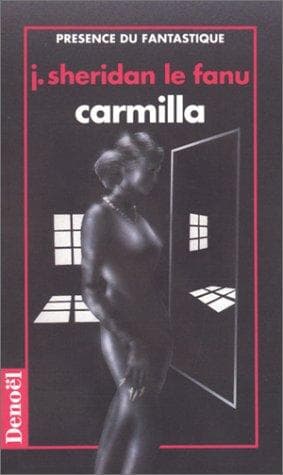
Book details and cover from Google Books.
Ready to read Carmilla?
Get your copy on Amazon, or listen to it on Audible. We earn a commission if you buy through these links.