
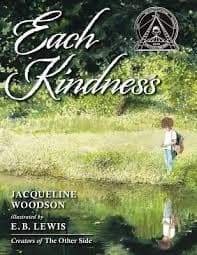
Each kindness
Jacqueline Woodson, E. B. Lewis
Like The Invisible Boy, it shows how a missed chance to include someone leaves lasting regret, and how kindness offered late still matters. Its quiet, reflective tone will feel familiar.
Reader-supported: when you buy through links on our site, we may earn an affiliate commission. Learn more
11 books to read next
If you loved The Invisible Boy by Trudy Ludwig
Readers who love The Invisible Boy usually respond to its gentle tone, its focus on a quiet child who is overlooked, and its clear message that one small kind act can change how someone feels they belong. The story is short and unhurried, with warm illustrations and a simple arc from exclusion to inclusion. It suits children and the adults who read with them, and it approaches social hurt with care rather than drama.
Jacqueline Woodson, E. B. Lewis
Like The Invisible Boy, it shows how a missed chance to include someone leaves lasting regret, and how kindness offered late still matters. Its quiet, reflective tone will feel familiar.

Derek Munson, Tara Calahan King
A boy learns that the rival he is excluded from can become a friend through a simple shared act. Its light humour and focus on one afternoon mirror the gentle approach of The Invisible Boy.
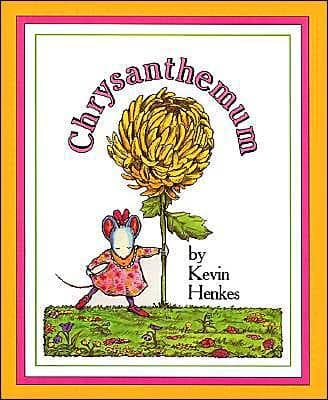
Kevin Henkes
A young mouse is teased about her unusual name, and her sense of not fitting in echoes Brian's experience. Henkes's soft illustrations and emotional honesty suit readers who loved the original.
Yangsook Choi
A Korean girl newly arrived at school hides her name until her classmates help her feel she belongs. It addresses the same theme of a newcomer being welcomed, with a similarly tender tone.
R. J. Palacio
A boy with a facial difference starts school and slowly finds friends, showing how ordinary kindness changes a child's world. Readers who valued The Invisible Boy's sensitivity to quieter children will find the same empathy here.
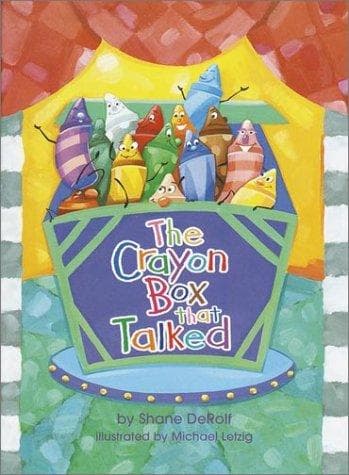
Shane DeRolf
A box of crayons learns that each colour has its own value when they work together, a gentle lesson in appreciating everyone's contribution. It shares The Invisible Boy's message that every child has something to offer.
Carol McCloud
Using a bucket metaphor, it encourages children to notice how their everyday kind words and actions affect others. It works well as a companion for classroom discussions about kindness.
Oge Mora
A community comes together to share a pot of stew, showing how generosity draws people in and makes everyone feel seen. Its warm, affirming tone matches the spirit of The Invisible Boy.
Eleanor Estes, Louis Slobodkin
A girl is mocked by classmates for her modest means, and the story gently explores how exclusion hurts and how empathy can grow. Readers moved by Brian's experience will recognise the same quiet injustice.
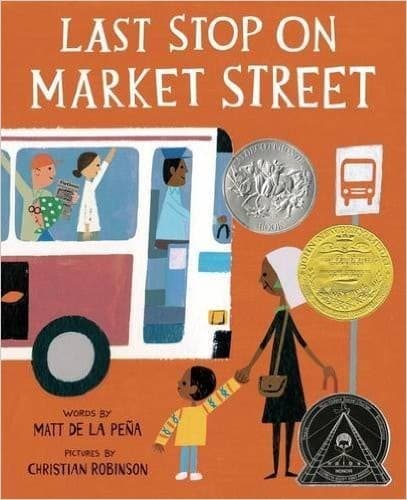
Matt de la Peña, Christian Robinson
A boy and his grandmother ride the bus through their city, and the book quietly celebrates noticing and valuing the people around you. Its gentle observational pace suits readers who loved the careful attention to small moments.
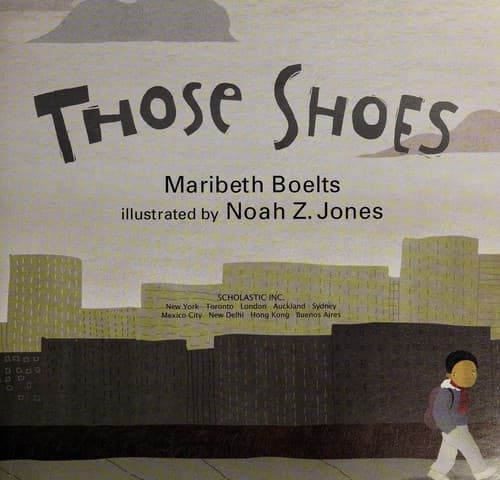
Maribeth Boelts
A boy longs to fit in with classmates by having the right shoes, and a moment of generosity changes how he feels about belonging. Its focus on a child's wish to be accepted closely mirrors the heart of The Invisible Boy.
We earn a commission if you buy through these links. Learn more