
We earn a commission if you buy through these links. Learn more
Chrysanthemum
by Kevin Henkes
A gentle, funny picture book about a mouse whose lovely name becomes a problem at school, and a warm reminder that how we feel about ourselves can shift quickly.
What It's About
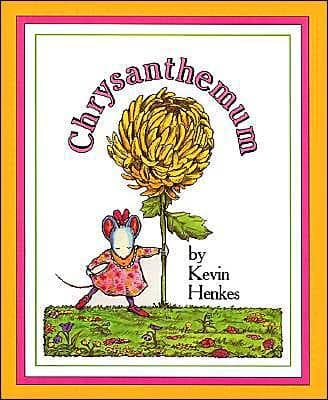
Chrysanthemum is a 1991 picture book for young children, written and illustrated by Kevin Henkes. The title character is a young mouse who adores her name until she starts school, where classmates find it long, odd, and a target for teasing. The story is short and simple, with a few sentences per page and soft, expressive illustrations of the mice in everyday settings. Henkes lets the pictures carry much of the emotion, so a child can read Chrysanthemum's feelings on her face before the text says anything about them.
The approach is quiet rather than preachy. There is no lesson announced and no villain who gets punished. The teasing is ordinary, the kind many children recognize from their own classrooms, and the emotional arc moves through a few clear beats: delight, embarrassment, withdrawal, and a slow return to self-acceptance. Read aloud, it takes only minutes and works well for a child who is nervous about being different.
As an adult reader, the experience is less about plot than about how precisely it captures a feeling. It is short enough to read in one sitting and rewards a second look at the details in the pictures. Parents, teachers, and librarians often reach for it when a child is dealing with teasing or the first months of school.
Read this if you…
- want a short, gentle picture book for talking through teasing with a young child
- are a parent, teacher, or librarian looking for a read-aloud about being different
- enjoy picture books for their emotional subtlety and artwork more than their plots
Skip it if you…
- want a story with real plot tension, conflict, or surprises
- are looking for something for independent readers past the early elementary years, since it is slight for older children
Key Ideas
- 1
A name can be both a gift and a burden
Chrysanthemum's parents chose her name with love, and she is proud of it at first. The book shows how a name that feels special at home can suddenly feel exposed in a room full of peers. That tension between who we are to our families and how we are seen by strangers is the core of the story, and children tend to recognize it immediately.
- 2
Feelings about ourselves follow other people's reactions
Chrysanthemum's confidence collapses after a few comments from classmates, and the book makes that collapse feel believable rather than dramatic. It is a useful starting point for talking about how quickly self-image can be shaken by teasing, and how a child may start to hide something they once loved.
- 3
Acceptance often comes through another person's example
The turn toward self-acceptance does not come from Chrysanthemum simply deciding to feel better. It depends on a new adult in her world who offers a different way of seeing the same thing. Adult readers may find this resolution tidy, but it points to a real truth about how children learn to value themselves.
- 4
Illustration does much of the emotional work
Henkes's watercolor-style pictures show body language, posture, and small domestic details that the text leaves unsaid. Reading the book closely shows how a picture book can convey an entire inner experience with very few words, which makes it a good example for anyone interested in how the form works.
Limitations
Its brevity is the main limitation. The story is slight, and some adult readers may find the lesson too neat or the teasing resolved too quickly to feel fully earned. Because it is aimed at very young children, older readers will find little challenge. The theme is also fairly narrow, centered on one kind of teasing, so it works better as an opening conversation about peer cruelty than as a full treatment of it. The mouse setting and illustration style are dated in places, though they still hold up well.
Questions Readers Ask
- Who is Chrysanthemum best for?
- It suits young children, roughly preschool through early elementary, especially when read aloud by a parent or teacher. Adults who want a quick, tender story about teasing or adjusting to school will also find it rewarding. It is less satisfying for readers who want a complex narrative or a long book.
- Is Chrysanthemum still relevant today?
- Yes. Teasing about names and appearance is timeless, and the emotional core of the story has not dated. The simple classroom setting and mouse characters are unlikely to feel old-fashioned to a child, even though the book was first published in 1991.
- How does it compare to Wemberly Worried?
- Wemberly Worried, also by Kevin Henkes, covers similar ground about anxiety and the first days of school, but it focuses more on worry than on being singled out by peers. Chrysanthemum is more pointed about social teasing, while Wemberly Worried is gentler and more about reassurance.
- Published
- 1991
- ISBN
- 9780670843206
- Difficulty
- beginner
- Category
- Fiction
Book details and cover from Google Books.
Ready to read Chrysanthemum?
Get your copy on Amazon, or listen to it on Audible. We earn a commission if you buy through these links.