
Radical Candor
Kim Scott
Scott's core idea of caring personally while challenging directly mirrors Netflix's insistence on candid feedback instead of pleasing the boss. It gives you practical scripts for having those honest conversations.
Reader-supported: when you buy through links on our site, we may earn an affiliate commission. Learn more
12 books to read next
If you loved No Rules Rules by Reed Hastings, Erin Meyer
Readers who love No Rules Rules usually enjoy its unconventional take on running a company: trusting people instead of controlling them, speaking candidly, and rejecting the usual policies and hierarchies. The tone is candid and anecdotal, with plenty of concrete stories from Netflix's history and interviews with its staff. The pace is brisk, and each chapter focuses on a specific principle, so the ideas are easy to test in your own workplace. If that mix of practical examples and bold, contrarian thinking appeals to you, the books below should feel familiar.
Kim Scott
Scott's core idea of caring personally while challenging directly mirrors Netflix's insistence on candid feedback instead of pleasing the boss. It gives you practical scripts for having those honest conversations.
Daniel H. Pink
Pink argues that autonomy, mastery and purpose motivate people better than rewards and controls, which is the same logic behind Netflix's freedom and responsibility culture. It is research-driven and easy to read.
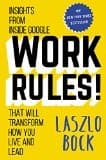
Laszlo Bock
Written by a former Google people chief, it covers hiring, feedback and autonomy with the same people-first thinking Hastings describes. It shows what unusual HR practices look like in a large company.
Ben Horowitz
Horowitz writes candidly about running a company through crises, which suits readers drawn to Hastings's frank accounts of trial and error. The advice is blunt, specific and based on his own experience.
Ray Dalio
Dalio lays out a set of explicit operating principles for radical transparency and meritocracy at Bridgewater, much like Netflix's codified approach. Its numbered rules and openness about mistakes will appeal to Hastings fans.
Jim Collins
Collins studies what separates exceptional companies from merely good ones, a question that drives No Rules Rules too. His disciplined, evidence-led style gives you a benchmark for judging unorthodox ideas.
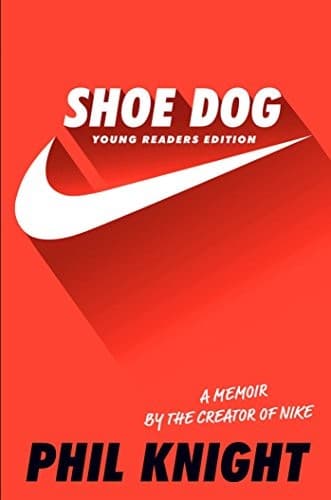
Phil Knight
Knight's candid memoir of building Nike is full of risk, improvisation and unconventional choices, echoing the story-driven feel of Hastings's account. It reads like a page-turner while still teaching business lessons.
Patrick M. Lencioni
Lencioni tells his team-building lessons through a short fable, making the ideas quick to absorb. It pairs well with Netflix's emphasis on candour and trust within teams.
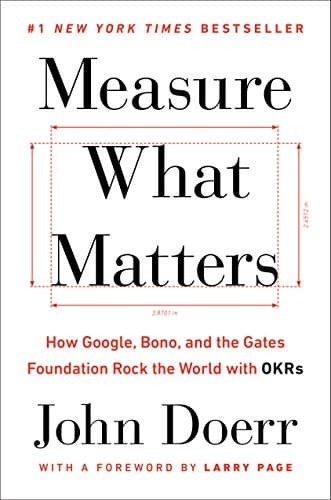
John Doerr
Doerr explains how objectives and key results helped Google and others focus on what counts, a system Netflix readers will recognise in its emphasis on context over control. The chapters are short and full of company anecdotes.
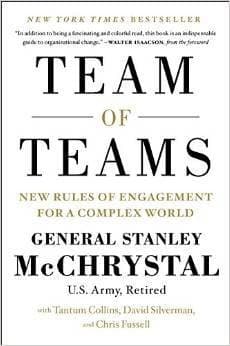
Stanley A. McChrystal, Tantum Collins
McChrystal describes how a military organisation shifted from rigid command to shared context and empowered teams. It supports the Netflix idea of giving people context rather than controls, with vivid real-world examples.
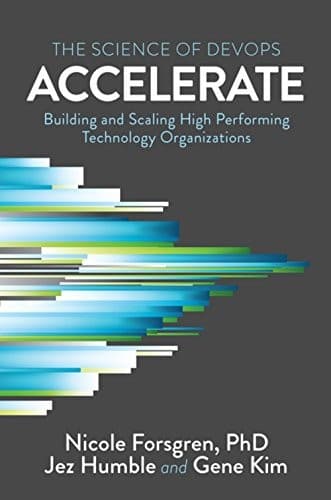
Nicole Forsgren, Jez Humble
Based on years of research into high-performing software teams, it tests which culture and management practices actually drive results. Readers who want evidence behind Netflix's unusual policies will find it rigorous and useful.
Simon Sinek
Sinek argues that trust and psychological safety, not hierarchy and fear, produce the best teams. It extends the people-first philosophy that runs through No Rules Rules into a broader view of leadership.
We earn a commission if you buy through these links. Learn more