
We earn a commission if you buy through these links. Learn more
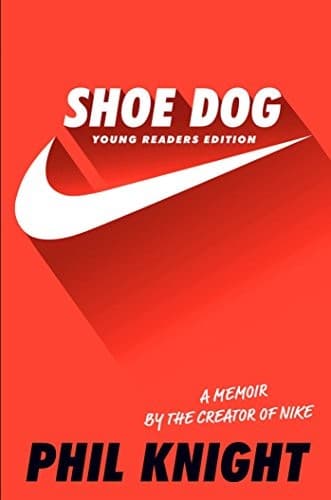
Shoe Dog
by Phil Knight
Guide by the Books of the Day editors · Updated · How we write our guides
A candid, unvarnished account of how Nike was built from a car trunk, told by its founder with more doubt and humor than a corporate history usually allows.
What Creators Say About Shoe Dog
2 creators reviewed Shoe Dog on YouTube in 2016, with 196.6K views between them. Their opinions are their own; we picked these reviews, we didn't write them.
What It's About
Shoe Dog is Phil Knight's 2016 memoir of building the company that became Nike. It is written in the first person and reads less like a corporate history than like a long, candid diary reconstructed from memory. Knight starts with a restless young runner who takes a trip around the world and comes back with an idea to import running shoes from Japan. From there the book follows the slow, often humiliating work of selling shoes out of the trunk of a car, borrowing money, and trying to keep a small business alive when every month brings a new crisis.
The tone is the main pleasure. Knight is frank about his doubts, his mistakes, and the people he leaned on, and he does not present himself as a visionary who always knew the answer. Much of the middle section is about money: who would lend it, who would ship the product on time, and how close the company came to running out of cash. Readers who expect a business book full of frameworks will find something looser and more personal, closer to an adventure story with ledgers running in the background.
It is a quick read for an adult memoir and rewards anyone curious about how a risky startup survives its early years. Note that it is an adult book, not a children's title, despite the category label on this listing.
Read this if you…
- want an honest, personal account of how a startup survives its first lean years
- enjoy memoirs with a conversational voice and plenty of self-deprecation
- are curious about the business side of a famous brand's origins
Skip it if you…
- want a step-by-step guide to building a company or a framework you can apply directly
- are looking for a detailed, critical history of Nike's later decades and controversies
Key Ideas
- 1
Survival matters more than the grand plan
Knight's story is less about a brilliant strategy than about staying solvent long enough to find one. The book shows how many early decisions were just attempts to get through the next payment, the next shipment, or the next lender's deadline. Readers come away seeing growth as a series of narrow escapes rather than a straight line.
- 2
Improvised beginnings with borrowed money
The early company ran on hand-to-mouth arrangements: shoes sold directly from a car, favors from friends, and loans that were hard to secure. The memoir makes clear how much of a young business depends on personal credit, trust, and people willing to take a chance on an unproven operation.
- 3
Loyalty and friction within a small team
Knight writes warmly about the people who stuck with the venture when pay was thin and prospects were uncertain. He is also candid about conflicts, resentments, and the difficulty of working alongside close friends when stakes rise. The relationships feel lived-in rather than polished for public consumption.
- 4
Self-doubt as a recurring theme
One of the book's most distinctive features is how openly Knight admits to fear, second-guessing, and moments of wanting to quit. This honesty gives the narrative tension and makes the eventual successes feel earned rather than inevitable. It also offers a counterweight to the myth of the fearless founder.
Limitations
Shoe Dog is one man's memory of events, written decades after they happened, so it is selective and naturally tilts toward the author's own perspective. Some former colleagues and business partners have questioned parts of the account. The book covers the founding years in detail but says much less about Nike's later growth, its marketing, its labor practices, and the wider industry. Readers wanting an independent or critical view will need to look elsewhere to complement it.
Questions Readers Ask
- Is Shoe Dog suitable for young readers because it is listed under children's books?
- No. Shoe Dog is an adult memoir with business content, mature themes such as financial stress and personal conflict, and a reflective tone. The children's category on this listing appears to be a mismatch. Younger readers may enjoy it if they are interested in business history, but it was written for adults.
- Do I need to know business or sports to enjoy it?
- No. Knight explains the money and logistics in plain language, and the story works as a personal journey even for readers with no interest in shoes or finance. Some familiarity with running culture helps in the early chapters, but it is not required to follow the story or appreciate its honesty.
- How does it compare to other business memoirs?
- Shoe Dog is more informal and self-revealing than many executive memoirs, which often focus on lessons and polished leadership advice. If you want a more analytical account of building a company, you might prefer a book that organizes its material around principles rather than a single life story.
- Published
- 2014
- ISBN
- 9781501150111
- Difficulty
- beginner
- Category
- Children's Books
Book details and cover from Google Books.
Ready to read Shoe Dog?
Get your copy on Amazon, or listen to it on Audible. We earn a commission if you buy through these links.