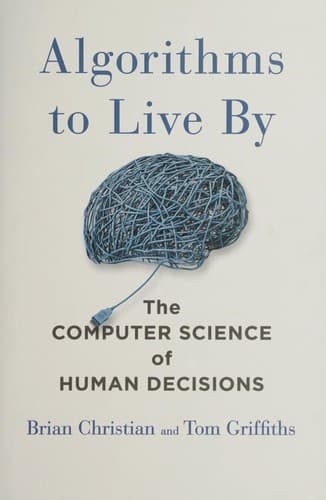
Brian Christian, Tom Griffiths
Like Grokking Algorithms, it takes classic algorithms and shows how they solve everyday decisions. Its clear, story-driven explanations make abstract ideas about trade-offs and efficiency easy to apply to real life.
Reader-supported: when you buy through links on our site, we may earn an affiliate commission. Learn more
12 books to read next
If you loved Grokking Algorithms by Aditya Y. Bhargava
Readers who pick up Grokking Algorithms usually want a friendly, visual route into core computer science without wading through dense proofs. They value the plain-language explanations, the hundreds of diagrams, and the step-by-step walkthroughs that build from sorting and searching toward graphs and dynamic programming. The Python samples make the ideas concrete, so the book feels practical rather than theoretical. The picks below follow those qualities: accessible algorithm thinking, illustrated explanations, habits for better code, and a path toward deeper study.

Brian Christian, Tom Griffiths
Like Grokking Algorithms, it takes classic algorithms and shows how they solve everyday decisions. Its clear, story-driven explanations make abstract ideas about trade-offs and efficiency easy to apply to real life.

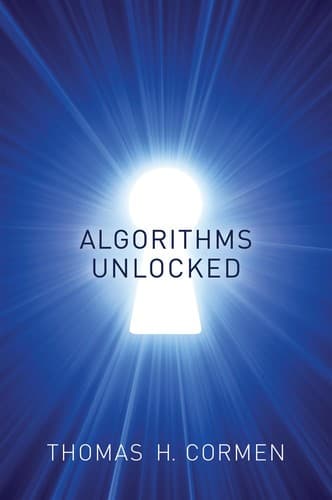
Thomas H. Cormen
Written by a leading algorithms textbook author for a general audience, it covers sorting, searching, and graphs with minimal jargon. Readers who enjoyed Bhargava's approach will find the same focus on understanding the core ideas first.
Al Sweigart
It tackles the recursion chapter of Grokking Algorithms in depth, with a playful tone and many short Python examples. Readers who found recursion the hardest idea to grasp will find a patient, friendly companion.

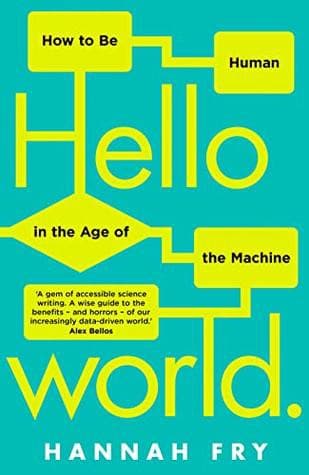
Hannah Fry
This book explains how algorithms shape daily life with lively, accessible prose and clear illustrations of the underlying logic. It suits readers who liked Grokking Algorithms' blend of everyday examples and approachable explanations.

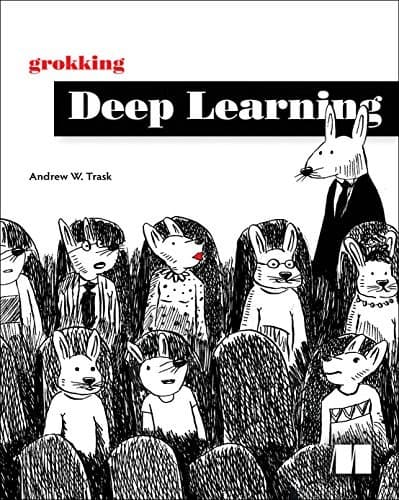
Andrew Trask
It shares Grokking Algorithms' style: a visual, step-by-step introduction built around Python code that readers can run. It moves the same learn-by-building approach into neural networks and machine learning.

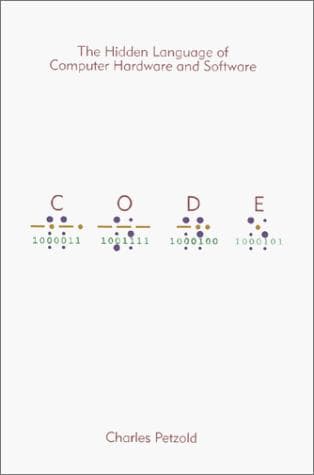
Charles Petzold, Charles Petzold
Petzold builds computing from first principles with patient, well-illustrated explanations, much like Bhargava does for algorithms. Readers who enjoy seeing how simple ideas combine into powerful systems will find it rewarding.
V. Anton Spraul
It focuses on problem-solving technique rather than syntax, using worked puzzles that build the habit of breaking problems into steps. This complements Grokking Algorithms' emphasis on how to approach a problem, not only which algorithm to use.
Andrew Hunt, David Thomas
It offers practical, down-to-earth advice on writing better code and making sound design choices. Readers who valued the book's performance trade-offs and clear reasoning will appreciate its concrete, experience-based guidance.

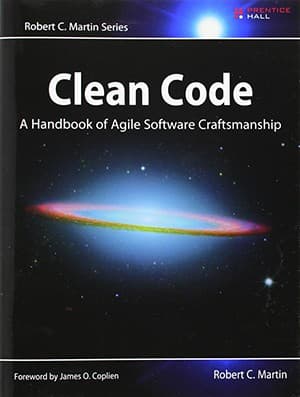
Robert C. Martin
It shows how to write readable, maintainable code, which matters once you start applying algorithms in real projects. Readers who liked Grokking Algorithms' annotated code samples will find many useful habits here.
Donald Ervin Knuth
This multi-volume classic is the rigorous reference behind many of the algorithms Grokking Algorithms introduces. It is demanding, but readers who want the full mathematical story after the friendly overview will find it the natural next step.

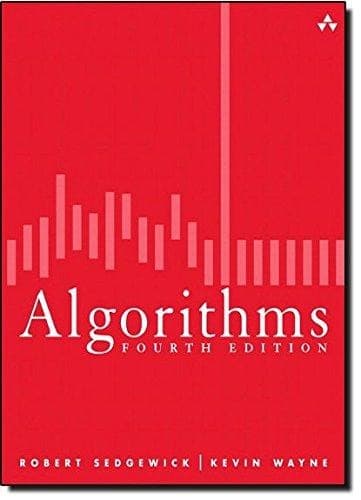
Robert Sedgewick
It extends the coverage of sorting, searching, and graph algorithms with well-explained Java implementations and performance analysis. It suits readers ready to move from intuition to a more thorough, textbook-level understanding.

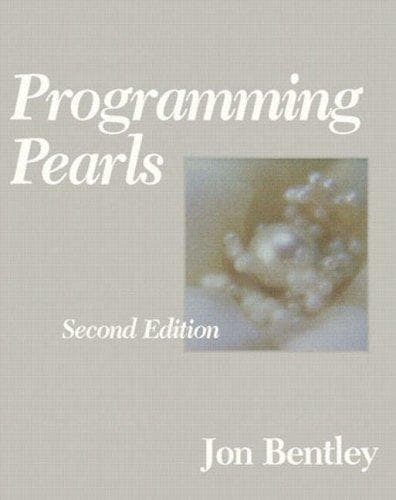
Jon Bentley
Bentley's short, essay-style chapters solve real programming problems with elegant algorithmic thinking, echoing Grokking Algorithms' focus on practical reasoning. Readers who enjoyed the efficiency comparisons will enjoy his clever, hands-on case studies.
We earn a commission if you buy through these links. Learn more