Reader-supported: when you buy through links on our site, we may earn an affiliate commission. Learn more

Cover of We Should All Be Feminists
Buy on AmazonBuy on Bookshop.orgListen on Audible

We earn a commission if you buy through these links. Learn more

Find Similar Books

We Should All Be Feminists

by Chimamanda Ngozi Adichie

Science
★★★★★4.5 (3)

Guide by the Books of the Day editors · Updated · How we write our guides

A brief, personal case for feminism that reads like a conversation rather than a treatise, making it one of the easiest entry points into gender politics.

What Creators Say About We Should All Be Feminists

2 creators reviewed We Should All Be Feminists on YouTube between 2013 and 2020, with 9.2M views between them. Their opinions are their own; we picked these reviews, we didn't write them.

We should all be feminists | Chimamanda Ngozi Adichie | TEDxEustonTEDx Talks on YouTube9.2M views · 2013
WE SHOULD ALL BE FEMINISTS BY CHIMAMANDA NGOZI ADICHIE || Feminism 👩|| Book Summary 📚Pallavi Ghivande on YouTube10.7K views · 2020

What It's About

We Should All Be Feminists is a short book, adapted from a TEDx talk Chimamanda Ngozi Adichie gave in 2012. It is less a survey of feminist theory than a spoken argument, built on her own observations about how women and men are expected to behave, and on the everyday moments where those expectations show up. Her starting point is simple: she wants readers to accept a basic definition of feminism as the belief that women and men should have equal social, economic, and political rights and opportunities, and then to notice how far the world is from that.

The approach is conversational and anecdotal. Adichie draws on her experiences growing up in Nigeria and as a writer moving between countries, and she is alert to the ways gender roles are taught early, often without anyone saying so out loud. The prose is clear and warm, with a good deal of humor and a direct, almost teacherly tone. It is the kind of book you can finish in a single sitting, and it tends to leave you thinking about your own assumptions rather than arguing with a dense set of citations.

Reading it feels like being invited into a frank discussion with a thoughtful friend. It is persuasive rather than exhaustive, and its strength is its clarity and emotional directness. Readers looking for policy proposals or a detailed history of feminist movements will need to look elsewhere, but as a first statement of why gender equality matters to everyone, it does its job well.

Read this if you…

  • want a short, accessible introduction to feminist ideas
  • are curious how gender expectations shape everyday life and childhood
  • prefer a personal, conversational argument to dense academic writing

Skip it if you…

  • want detailed policy analysis or a history of feminist movements
  • are already well read in feminist theory and want new arguments

Key Ideas

  1. 1

    A working definition of feminism

    Adichie insists on a plain, usable meaning: feminism is the belief that men and women deserve equal rights and opportunities. She argues that much of the resistance to the word comes from confusion about what it actually means, and that a clear definition is the first step toward a useful conversation about gender.

  2. 2

    Gender as a set of expectations

    The book treats gender less as biology and more as a system of roles that tell people how to act. Adichie points to how boys and girls are steered toward different goals, and how the cost of those expectations falls heavily on women, who are often judged for ambition or independence in ways men are not.

  3. 3

    How children are raised differently

    A recurring concern is the everyday training that shapes people before they can question it. Adichie suggests that small decisions in childhood, about who does what and what is praised, quietly build the hierarchy that later looks natural, and she argues that this can be changed deliberately.

  4. 4

    Culture is made by people

    Adichie challenges the idea that tradition is fixed and therefore beyond criticism. Her point is that cultures are human creations and can be revised, so arguments that something has always been done a certain way do not settle whether it is fair or worth keeping.

  5. 5

    A call for shared responsibility

    The title is an invitation rather than a claim that only women should act. Adichie argues that men benefit from loosening gender roles too, and that everyone has a part in noticing unfairness and refusing to pass it on, whatever their own role in life.

Limitations

The book is brief and deliberately general, so it does not go deep into economics, law, or the specific structures that sustain inequality. Some readers find its reasoning more emotional than rigorous, and a few criticize it for drawing broad conclusions from personal experience. Its examples are mostly drawn from Nigeria and the author's own life, which gives it a particular vantage point rather than a global survey. Because it began as a spoken talk, it can feel slight to readers who expect a fuller argument. It is best read as an opening statement that points toward further reading.

Questions Readers Ask

Is We Should All Be Feminists good for someone new to feminism?
Yes. It is one of the most accessible entry points available. The writing is plain, the book is short, and Adichie defines her terms clearly. It does not assume you know the vocabulary or the history, though readers who want more depth should plan to read further after finishing it.
How does it compare to bell hooks' Feminism Is for Everybody?
Both are short and aimed at general readers. Adichie is more personal and conversational, drawing on her own life and observations. hooks is more direct about race, class, and the structures of power behind gender inequality. Readers who want warmth and a memoir-like voice may prefer Adichie, while those wanting sharper political analysis may prefer hooks.
Is the book still relevant today?
Largely, yes. Its central claims about gender expectations and how children are raised remain widely debated. Some specific references reflect the early 2010s, so a reader may notice dated examples, but the core argument about equality and the need for shared responsibility still applies.
Published
2014
ISBN
9781101872932
Difficulty
beginner
Category
Science

Book details and cover from Google Books.

Ready to read We Should All Be Feminists?

Get your copy on Amazon, or listen to it on Audible. We earn a commission if you buy through these links.

Books Like We Should All Be Feminists

View all →
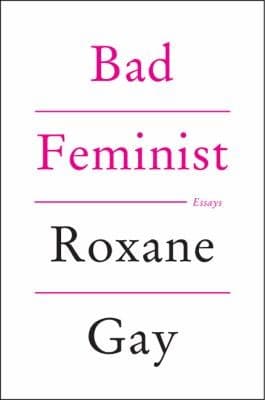
Cover of Bad Feminist

Bad Feminist

Roxane Gay

Like Adichie, Gay writes candid, funny essays that mix her own life with sharp commentary on pop culture and power. Her conversational voice and willingness to admit contradictions will feel familiar to readers who valued the honesty of We Should All Be Feminists.

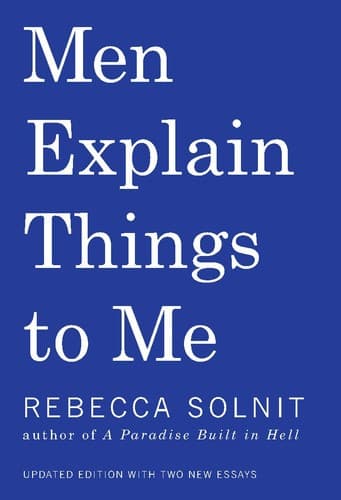
Cover of Men Explain Things To Me

Men Explain Things To Me

Rebecca Solnit

This short collection takes on everyday dismissal of women with the same clarity and wit that makes Adichie's essay so accessible. Its title essay is widely read and pairs well with the book's focus on how gender shapes ordinary conversations.

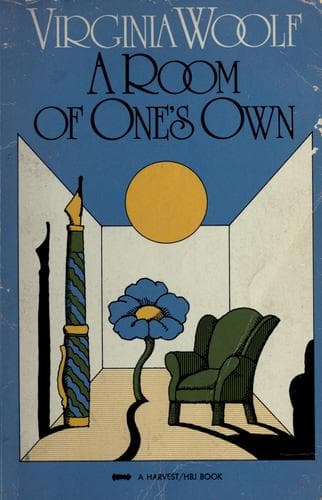
Cover of A Room of One's Own

A Room of One's Own

Virginia Woolf

Woolf's classic essay argues that women need money and space to write, using a lecture-style voice much like Adichie's. Readers who appreciated her calm, reasoned case for equality will find Woolf's arguments an early and essential companion.

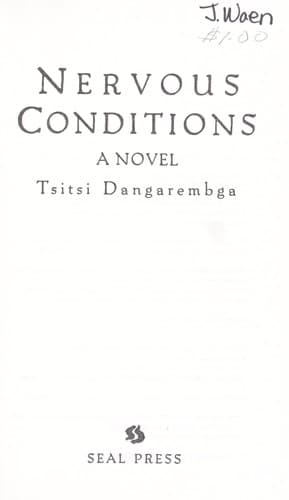
Cover of Nervous Conditions

Nervous Conditions

Tsitsi Dangarembga

This novel follows a young Zimbabwean girl navigating family expectations, education and gender roles under colonial rule. Readers drawn to the lived, Nigerian-rooted realities in We Should All Be Feminists will find the same frank attention to how gender limits women's choices.

Explore More