
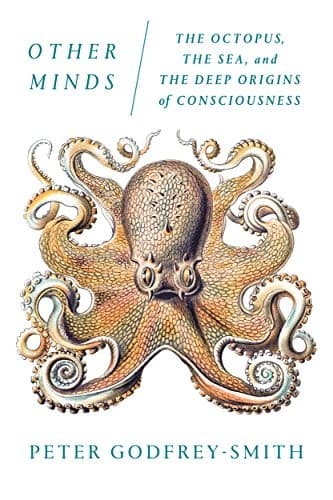
Other Minds
Peter Godfrey-Smith
Godfrey-Smith also dives into octopus intelligence and asks how a mind evolved so far from our own. Like Montgomery, he treats the creature as a genuinely alien thinker worth taking seriously.
Reader-supported: when you buy through links on our site, we may earn an affiliate commission. Learn more
We earn a commission if you buy through these links. Learn more
Find Similar BooksMontgomery's warm, curious account of octopus intelligence and personality makes a surprisingly moving case for taking the mind of an animal we barely understand seriously.
The Soul of an Octopus is Sy Montgomery's account of getting to know octopuses, both in aquarium tanks and in the wild, and of what scientists are beginning to learn about how these animals think. It sits somewhere between natural history, personal memoir, and a love story between a naturalist and a creature whose mind works very differently from ours.
Montgomery writes in a warm, conversational voice and spends most of her pages with individual animals. Rather than treating octopuses as a single type of problem-solver, she describes distinct temperaments: some gentle, some bold, some visibly curious. She pairs these encounters with the research being done around them, including experiments on problem-solving and the puzzle of why octopuses change color as they do.
Reading it feels like sitting beside a patient, attentive observer who is willing to admit what she does not know. The book is light on jargon and heavy on observed detail, so it works well for readers who want to be moved and surprised without committing to a textbook. Its emotional register is strongest when Montgomery reflects on what it means to form a bond with a animal that may not form bonds the way we do.
Octopuses have most of their neurons spread through their arms rather than concentrated in a central brain, so their intelligence is organized in a way that is hard for us to picture. Montgomery shows how their problem-solving, escape artistry, and play reveal a mind that is capable but alien. The book asks readers to set aside human-centered benchmarks when judging what counts as smart.
Most octopuses live alone and meet other members of their species mainly to mate, which makes their individuality more striking. Montgomery's animals differ in mood, curiosity, and willingness to interact, and she treats those differences as real. The idea that a creature built for solitude can still have a distinct character is one of the book's central surprises.
Octopuses shift their skin color and texture in a fraction of a second, and scientists are still working out what those displays mean. Montgomery describes the puzzle without pretending it is solved. Readers get a clear sense of how much remains unknown about how these animals send and read signals.
Many octopus species live only a year or two, so any relationship with one is brief by design. Montgomery uses this fact to reflect on love, loss, and the uneven footing of a bond between two very different minds. The emotional weight comes less from drama than from the honesty with which she faces the limits of the relationship.
Some readers find Montgomery's sentimental streak excessive, especially when she attributes feelings to animals whose inner lives science cannot yet measure. The book is more an introduction than a comprehensive guide, so it covers the research only in broad strokes and omits much of the technical detail. Its focus on a few captive animals also means it says less about wild octopus populations, ecology, and the threats they face. Because the field has moved quickly, some specific research claims may now be outdated.
Reviews from readers on YouTube. Their opinions are their own.
Book details and cover from Google Books.
Ready to read The Soul of an Octopus?
Get your copy on Amazon, or listen to it on Audible. We earn a commission if you buy through these links.
Peter Godfrey-Smith
Godfrey-Smith also dives into octopus intelligence and asks how a mind evolved so far from our own. Like Montgomery, he treats the creature as a genuinely alien thinker worth taking seriously.
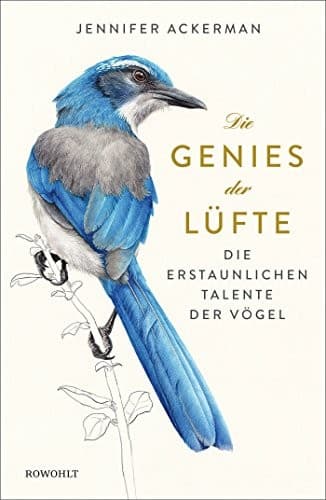
Jennifer Ackerman, Illus. by John Burgoyne
Ackerman takes the same open-minded approach as Montgomery, showing how scientists slowly accepted that animals many people dismissed can solve problems and show surprising cleverness.
Jonathan Balcombe
Balcombe makes a similar case for an underrated sea creature, using behavioural research and vivid observations to show that fish have rich inner lives that deserve respect.
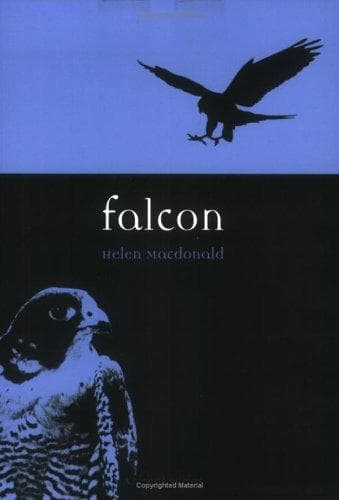
Helen Macdonald
Macdonald's memoir of training a wild goshawk shares the intimate, obsessive bond at the heart of The Soul of an Octopus. Both books weigh the costs and joys of loving a creature that will never fully understand you.